
‘A long time coming’: Columbus jury reaches verdict in murder trial over drug deal
A jury has decided whether a Columbus man on trial for murder fatally shot a 20-year-old during a midtown marijuana deal.
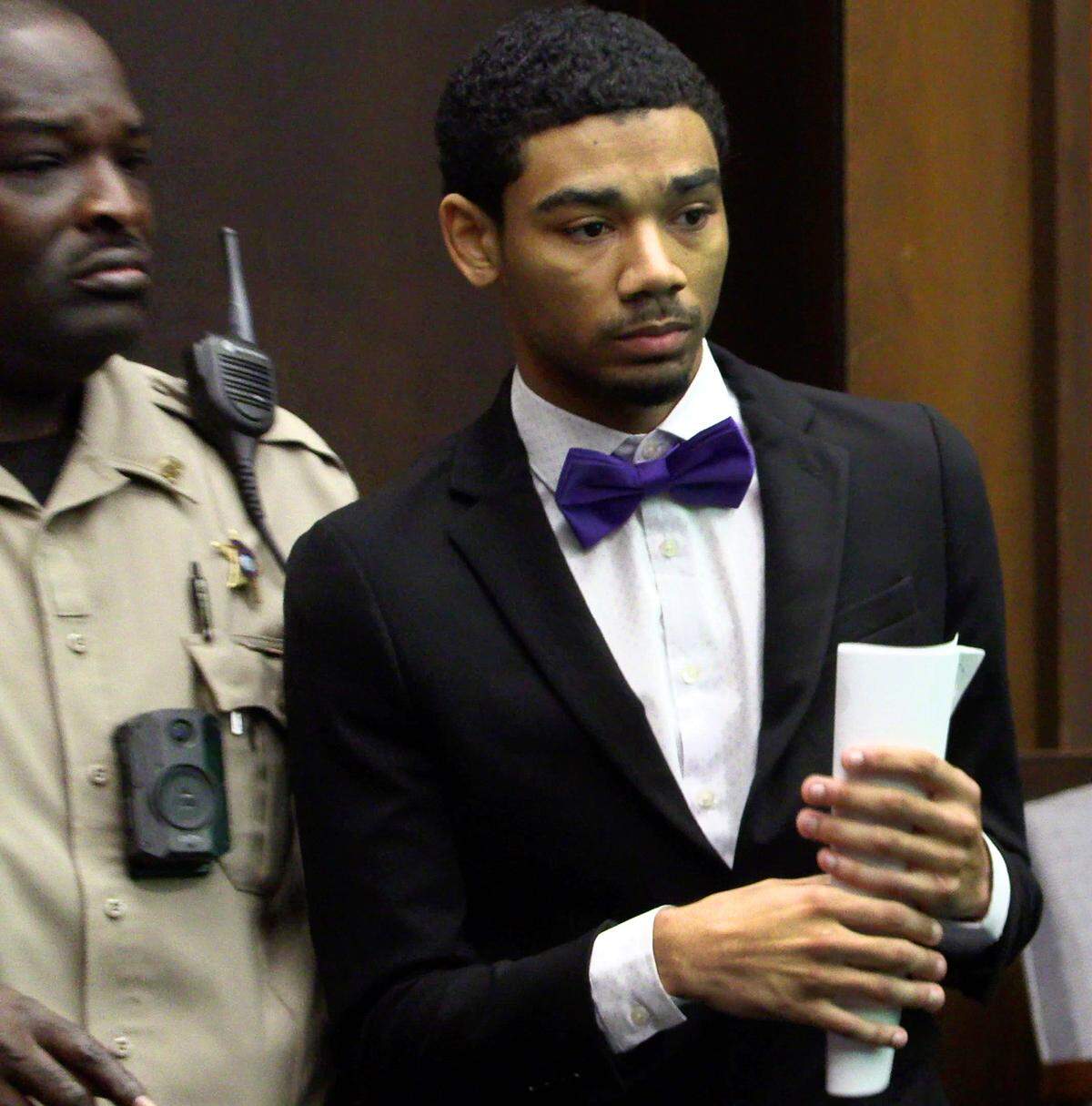
In the verdict reached Friday afternoon after about two hours of deliberation, the jury found 22-year-old Zajaliq Riley guilty in the May 8, 2021, death of Devion Miley.
Here are the verdicts in each of Riley’s three counts:
- Guilty of felony murder for causing Miley’s death while committing the felony of trying to buy marijuana.
- Guilty of criminal attempt to commit a felony, for trying to buy marijuana.
- Guilty of possession of a firearm in the attempted commission of a felony.
Riley now faces life in prison. Judge Gil McBride set his sentencing for 9:30 a.m. Aug. 30.
The reaction
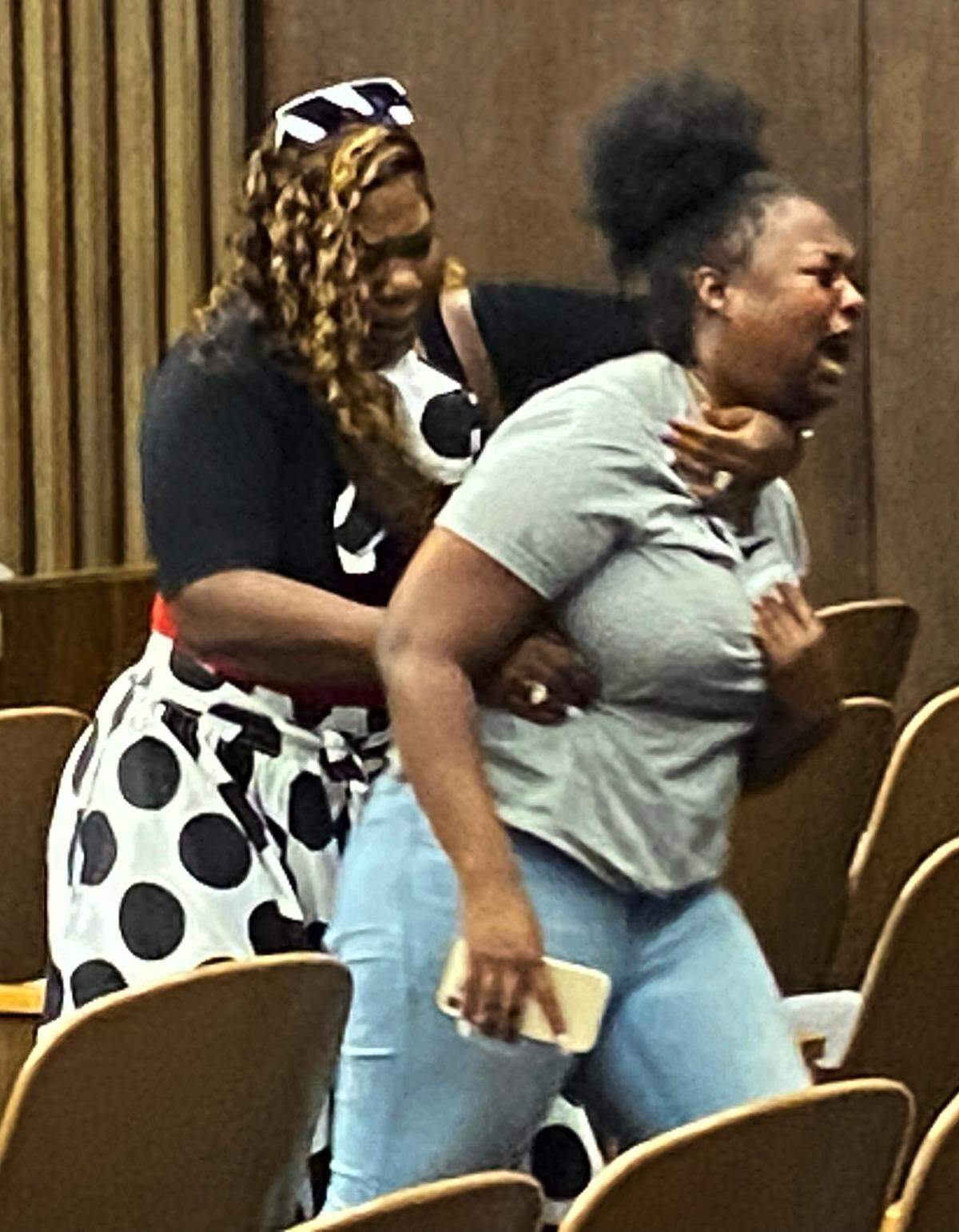
The verdict elicited wails from the defendant’s side of the courtroom, while Miley’s family wept with relief, his mother tightly embracing prosecutor Robin Anthony while other relatives thanked police Sgt. Thomas Hill, the lead detective in the case.
Outside the courtroom, Miley’s mother Metrica Johnson was asked what she felt, upon hearing the outcome.
“Relief, joy,” she answered. “This is a long time coming. My son deserves this justice.”
Her son was beloved not only by his family, but by many friends who feel his absence, she added.
“He takes care of his friends, at times, and they’re missing him because of that,” she said. “He was like a big brother to a lot of them, and caregiver, because he stayed with them. He helped feed them and stuff like that, so he’s a real family person. We’ve always been a close-knit family.”
Said Miley’s father, Michael Johnson: “He definitely had a big heart, and if you needed him, he was there.”
“I think his heart got him killed,” the mother interjected, noting her son got into a car with two men he must have thought he could trust, the night he was shot.
“His trust in others, and his love for others, is what made him get in that car that night,” she said.
The evidence
That car, a 2018 Honda Civic, belonged to his now-convicted killer.
Testimony in the week-long trial showed Miley left the Efficiency Lodge at 1776 Boxwood Place with Riley and Detric Bush at 10:53 p.m. that Saturday.
Bush, who agreed to testify against Miley in exchange for his murder charge being dropped, said they were in Riley’s Honda on Boxwood Boulevard when Riley stopped, ordered Miley to get out, and shot him as he exited the back seat.
Riley denied that, testifying that Miley got out of the car unharmed, after he was paid $500 cash for two ounces of marijuana, and started walking back to the Efficiency Lodge, declining a ride there. That’s the last the two men saw of him, Riley said.
The first 911 call from a passerby finding Miley shot in front of the Midtown Shopping Center, 3200 Macon Road, came in at 10:58 p.m., five minutes after he left the motel with Riley and Bush.
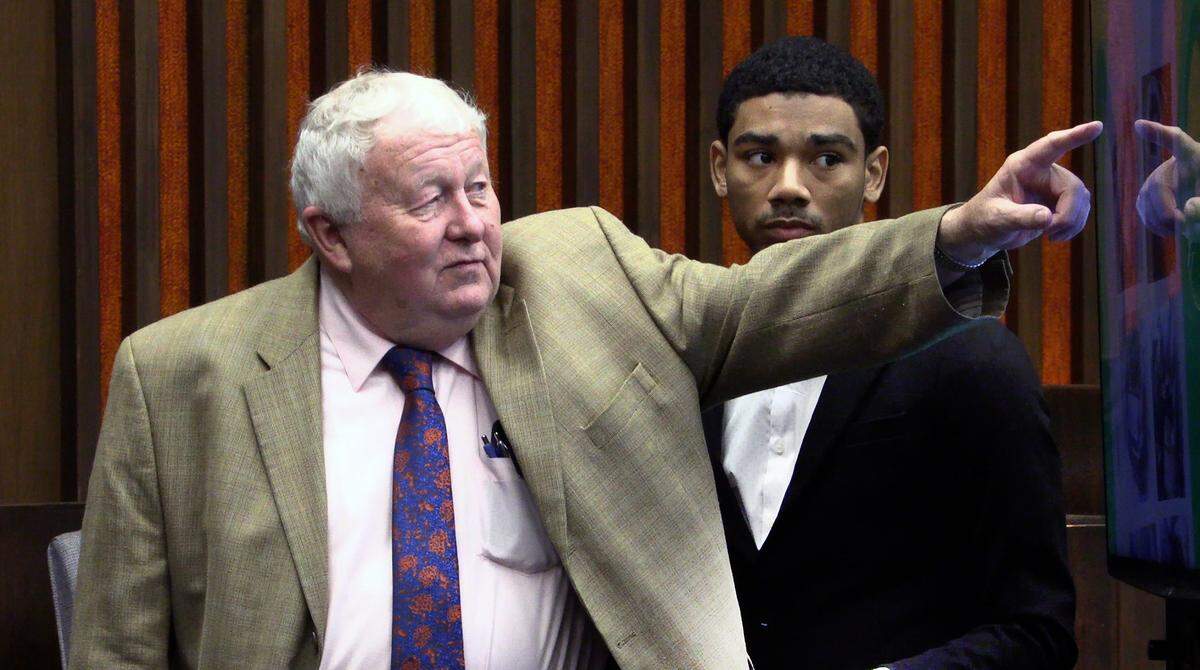
In closing arguments Thursday, defense attorney Michael Garner told jurors that Miley had been in the company of other drug dealers at the lodge, and must have encroached on their territory, provoking them to follow the three men and shoot Miley when he was alone.
Anthony countered that Miley’s parents and two sisters also had been living at the motel, so he was with his family there. An aunt reported him missing at 1:19 a.m. when he did not return that night.
No evidence shows anyone at the Efficiency Lodge had reason to harm Miley, and instead his associates there testified they also were concerned for his safety, Anthony noted.
Bush, 22, pleaded guilty July 25 to trying to commit a felony, to using a gun to commit a crime, and to having a firearm while on probation. His recommended sentence is 15 years with five to serve in prison and the rest on probation.
McBride decided Friday that Bush also will be sentenced on Aug. 30, but not at the same time as Riley.
Cash App issues
Much of the trial testimony focused on the suspects’ attempts to pay Miley using the Cash App to transfer funds from one account to another.
Riley said he and Bush went to the Efficiency Lodge after contacting Darius Requenna, who had advertised marijuana on Facebook and Instagram. Requenna put them in touch with Miley, who was with four or five other men when they met outside.
That’s where Bush bought two ounces of marijuana by paying Miley electronically on his phone with the Cash App, Riley said. They left before Bush’s girlfriend called to say he had taken money from her account, and went back so Bush could tell Miley to return the money.
Hill, the police detective, testified Wednesday that investigators tracked those online transactions, finding $480 went from Bush to Miley at 10:03 p.m., and Miley sent the money back at 10:13 p.m.
Then Riley tried to pay Miley using the Cash App, and repeatedly was rejected “for security reasons,” Riley testified.
Hill said police tracked those attempts as well, including:
- $430 rejected at 10:18 p.m.
- $220 declined at 10:25 p.m.
- $430 rejected at 10:41 p.m.
- $430 declined again at 10:45 p.m.
- $220 rejected at 10:46 p.m.
Finally, one of Miley’s older associates suggested Miley, Riley and Bush drive to the McDonald’s on Macon Road to use the Wi-Fi system there, and they left.
Though Bush said he paid Miley in cash before they left the Efficiency Lodge, Riley said that didn’t happen until they were on the way to McDonald’s. That’s when Miley gave Bush the marijuana, and got out to walk back, he said.
Riley said he and Bush split the marijuana after they drove back to where Bush was living in the Oakland Park neighborhood off South Lumpkin Road.
Anthony disputed that in her closing argument, saying the attempted Cash App transfers show Riley didn’t have the money to buy marijuana for himself, and grew increasingly impatient.
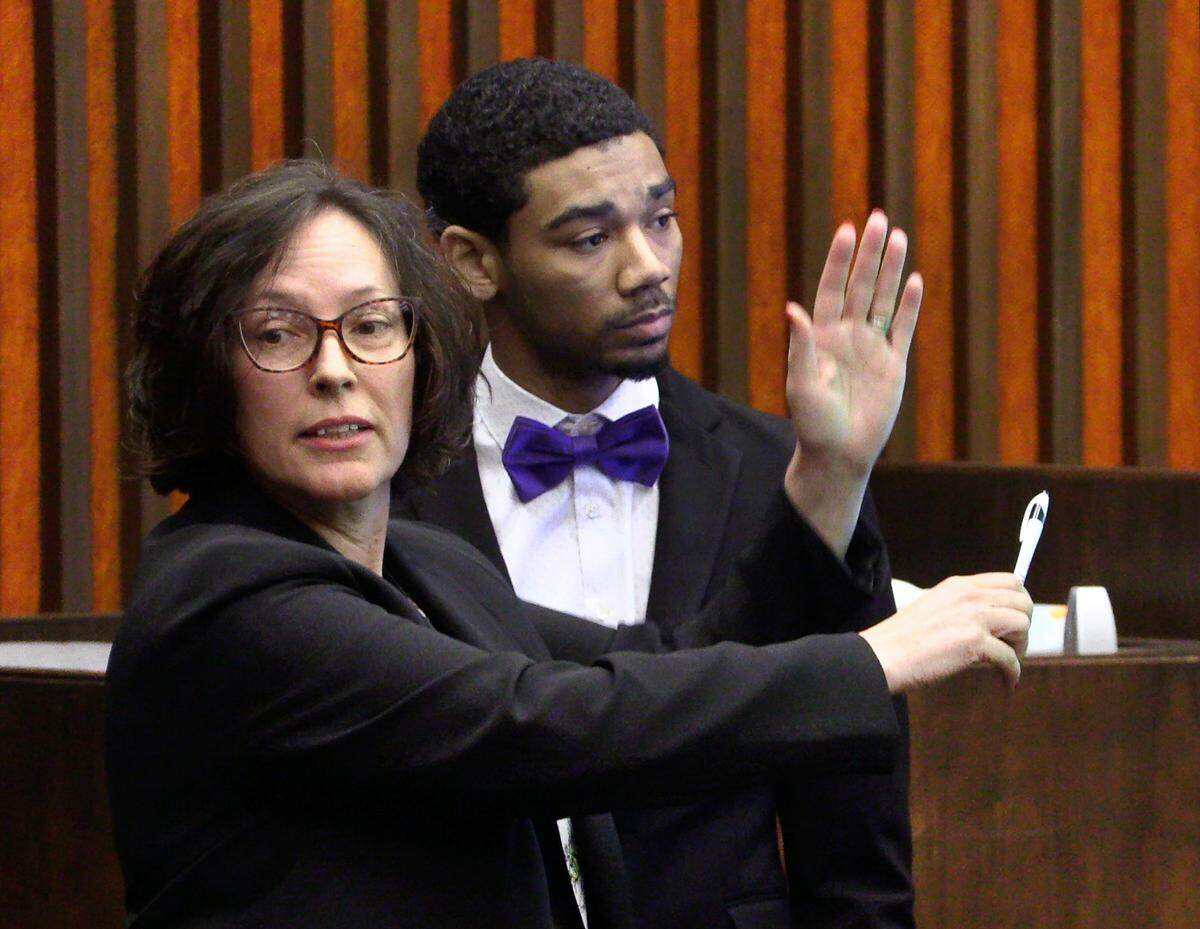
“I submit he got frustrated,” she said, arguing that’s why he abruptly stopped the car, ordered Miley out, and shot him.
She emphasized a cell phone conversation Bush said he secretly recorded three days after the shooting, asking Riley why he shot Miley. “Damn, I popped, bro,” Riley told Bush on the video shown the jury.
Garner claimed Riley was referring to another shooting involving the pair, and told jurors Miley was killed for reasons unrelated to the marijuana.
“Why would this young man kill somebody he doesn’t know for no reason?” the attorney asked of his client.
Of the drug deal, he added, “It has nothing to do with it.... Somebody killed Mr. Miley for a reason that means a lot more than $500.”
Still the defense attorney repeatedly hammered on Miley’s selling marijuana while associating with alleged drug dealers at the lodge, arguing it was inherently dangerous.
Anthony was asked about that view of the case, after Friday’s verdict.
“This was a 20-year-old boy, who didn’t deserve to die,” she said. “All life is precious.”
This story was originally published August 11, 2023 at 11:26 AM.