
Because students often live in limited worlds, teachers must bring the world to them
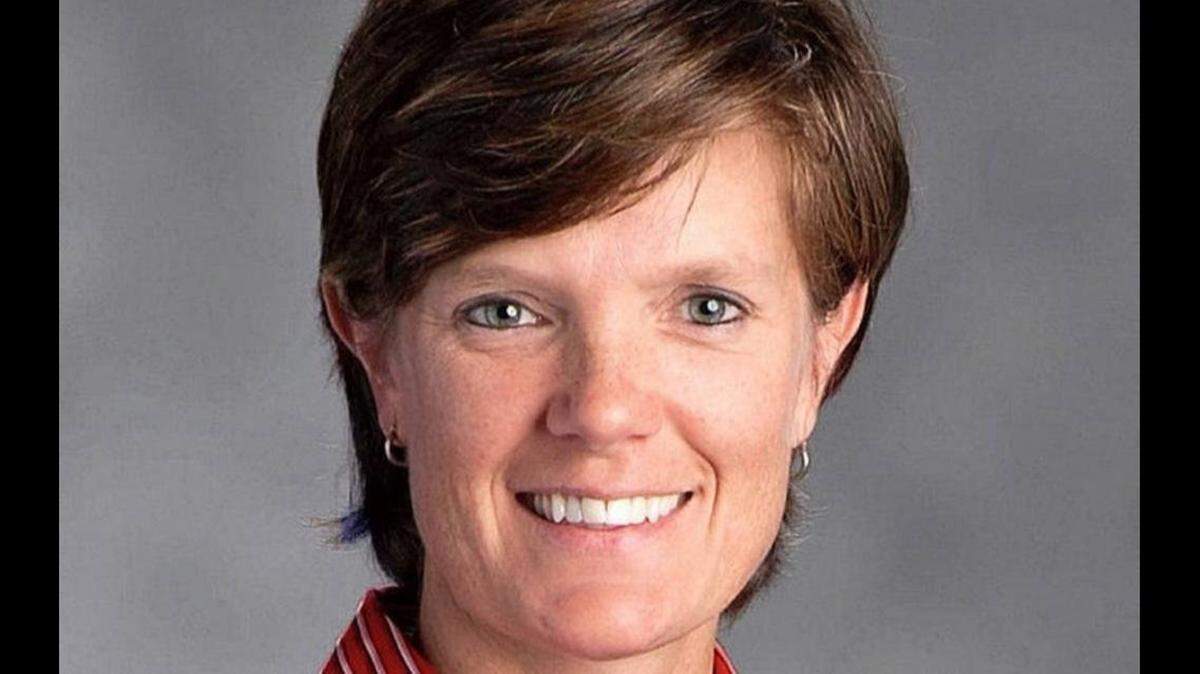
Several years ago, I left my American public school classroom to teach abroad. My destination was Vienna, Austria, and when I told my students I wouldn’t be returning the next year, most were a bit sad, which, admittedly, made me feel good inside. Then, as with all nosey teenagers, the bombardment of questions started.
The majority of the questions involved koala bears and Outback Steakhouse, so the teachable moment was a no-brainer. I simply got out the map and showed them the huge difference between Austria and Australia, and before long my students were admitting to me that they had never even been out of the state. Some had never seen Atlanta, and a few had never even ventured too far from their neighborhood.
I was startled and amazed.
But then I got to thinking. No wonder my students never really got into “Night by Elie Wiesel” or “The Count of Monte Cristo” by Alexander Dumas. No wonder they really never got into Mark Twain or Walt Whitman. And no wonder the thousands of references I made or the hundreds of comparisons I created in our discussions of literature created nothing like the intended revelations I hoped. All of those bright parallels I thought would clarify only stirred the muddy waters and left me with blank stares.
A conundrum.
How do teachers teach some of the really complex concepts required of them when the background knowledge of their students is so limited? Imagine, for example, teaching students to appreciate the explorations of such people as Christopher Columbus and Lewis and Clark when most everything they need or want is found at Walmart or Amazon.com.
When knowledge of the world outside of a child’s cul-de-sac is limited, teachers face yet another obstacle outside of their control. This is feeling all too familiar to many teachers, including Mrs. Pyron at Key Elementary School. So, to combat restricted access, she does what any good teacher would do. She brings the experience to the child.
With virtual field trips, loads of videos and mounds of photos, Mrs. Pyron does everything she can to make her content come alive. When she can’t draw on her students’ exposures, she simply brings the exposure to them, and the benefit to their overall learning is tangible.
The purpose is to present potential. When children are limited in their exposure to life outside the road signs of their neighborhood, so is their knowledge of what they can do for this world. That’s when teachers like Mrs. Pyron make it their mission to show their students unknown places and history-making faces, all in the hopes that one student may catch a glimpse and be inspired.
Because not all students get to travel the world, or travel at all, for that matter. Many of our students simply don’t have the circumstances to allow for such exposure, and good teachers recognize that and do something about it. They create opportunities for the little second grader sitting in the third row takes care of her siblings because they are shuffled between family members because mom and dad are in prison. They present potential to the young sixth grader who lives in a group home, and they speak life into the dreams of the little kindergartner whose mom is strung out on meth.
The reason teachers are so important to the sustainability of our community is simple. Teachers offer hope to the hopeless, open the eyes of the blinded, and breathe life into the future-less. And when a child with limitations sees potential for the first time, the results are limitless.
Sheryl Green is a secondary educator in Columbus. Email her at sherylgreen14@yahoo.com.