Is Columbus really increasing property taxes? We explain what you need to know
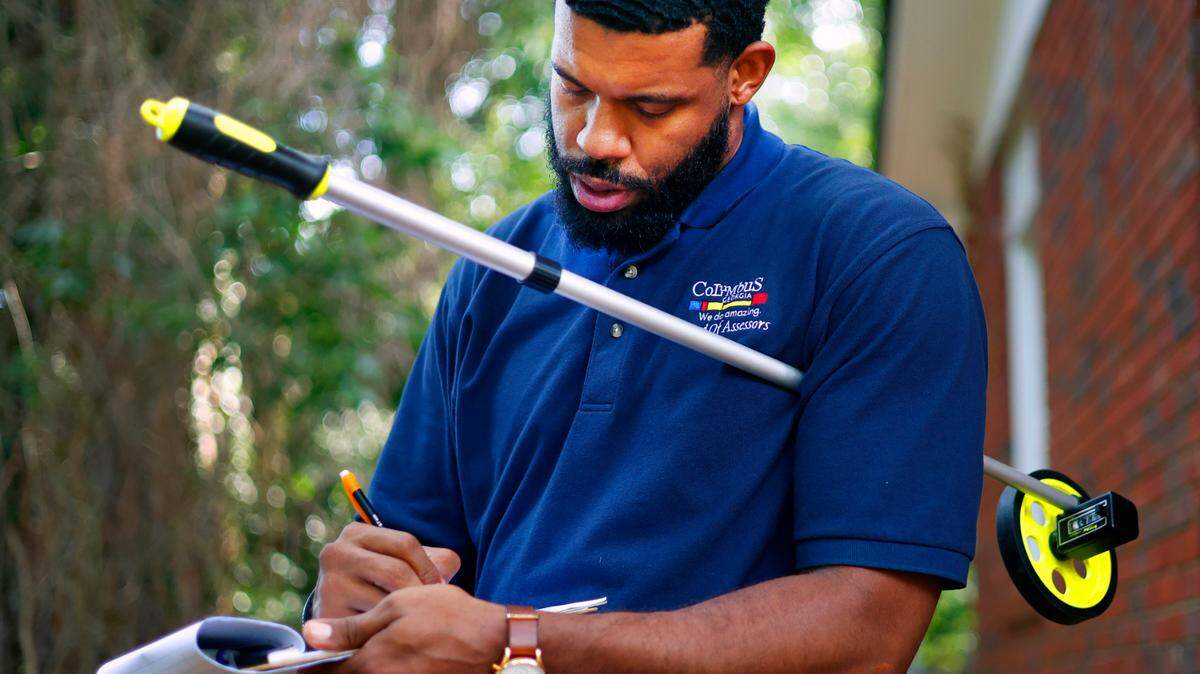
The Columbus Consolidated Government conducted three public hearings this month discussing how the millage rate for property taxpayers remains unchanged, despite the city’s potential to implement a lower rate this year.
Last month, CCG announced in a news release that it would conduct the hearings to discuss its intention to “increase the 2025 property taxes”. Despitethat required phrase in the announcement, this move is not an increase in the millage rate, finance director Angelica Alexander explained in the June 3 public hearing.
When the total sum of revenue from taxable property is prepared, Georgia law requires the tax commissioner to calculate a “rollback millage rate”. This rollback, or lower, millage rate is meant to produce the same amount of revenue for the current year as it did for the previous year.
If a city chooses not to use the rollback millage rate and keeps the rate the same as the previous year, the state considers this to be an “increase” and requires municipalities to hold public hearings.
According to CCG’s announcement, Urban Services Districts 1, 5, 6, and 7 had a 3% increase over the rollback millage rate, and Urban Services District 2 had a 2% increase over the rollback millage rate.
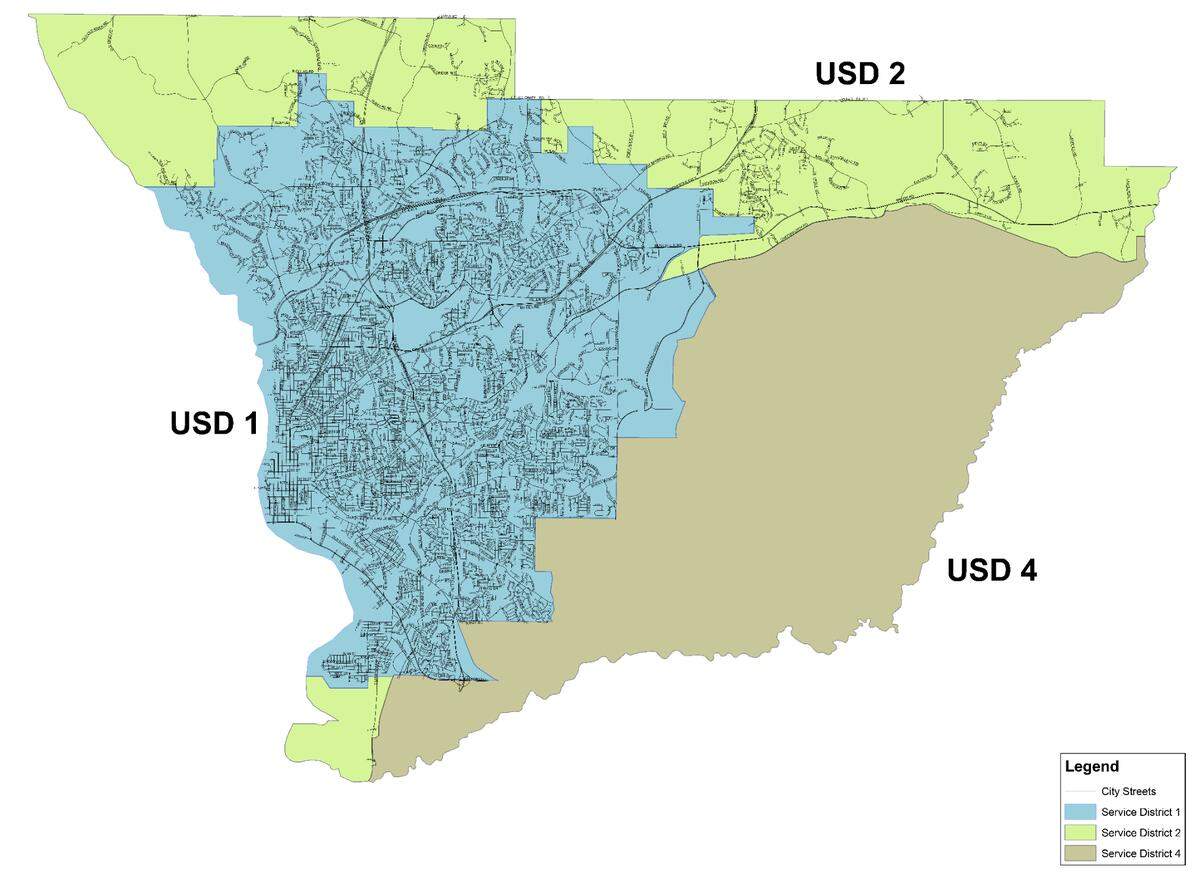
“The millage for the urban services districts do remain unchanged (from last year),” Alexander said.
Urban Services Districts are not the same as Columbus Council districts. These districts consist of areas where the city has provided higher levels of services and do not coincide with any city councilors.
Districts 5, 6 and 7 are the Business Improvement District in downtown Columbus and are part of District 1, CCG director of communications Teasha Hollis told the Ledger-Enquirer.
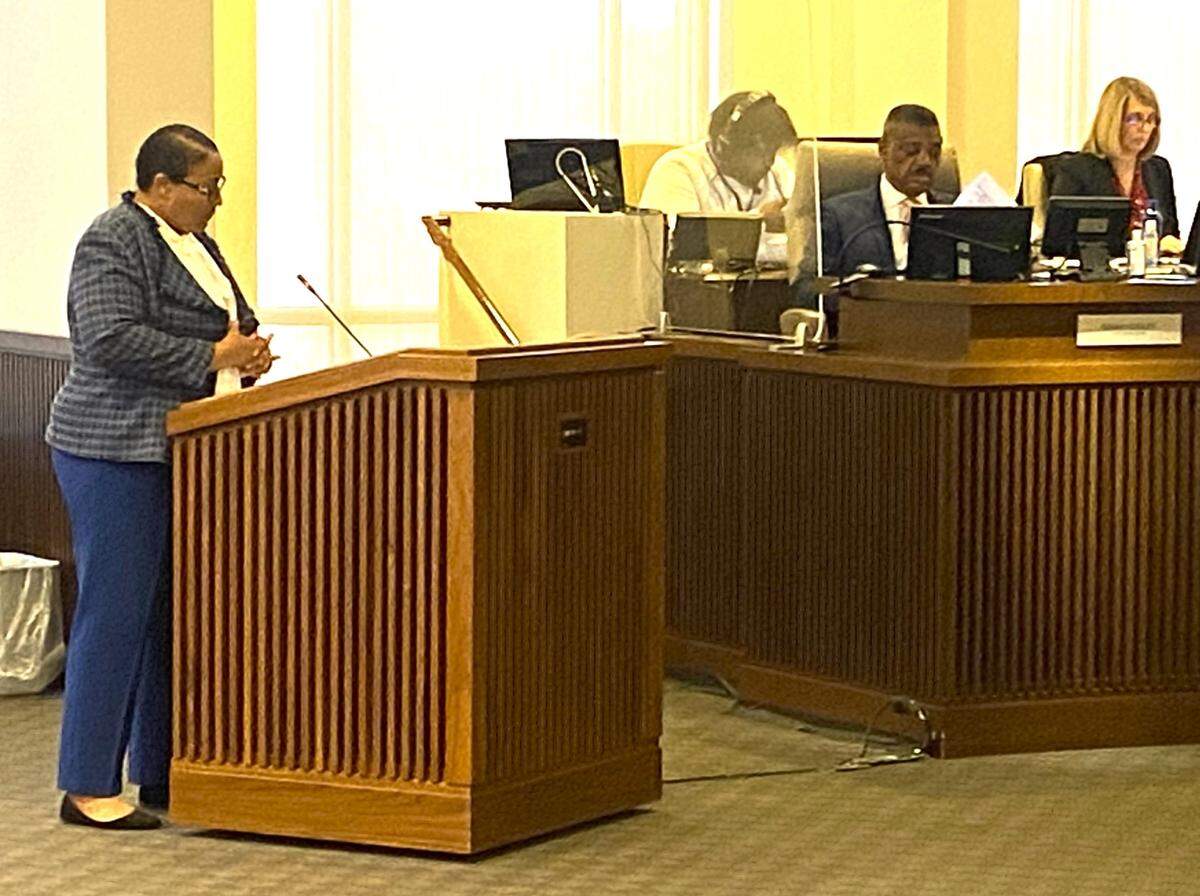
The total millage Alexander provided for the Urban Service Districts during the June 3 meeting are as follows:
In Urban Service District 1, the total millage is 16.07 mills
In Urban Service District 2, the total millage is 10.09 mills
In Urban Service District 4, the total millage is 9.19 mills
Property taxpayers may see two millage rates when viewing their notice of assessments. One rate will be for the city and the other is for the school district. While the rates will remain unchanged, the Muscogee County School Board determines its rate.
Homestead freeze
One other important factor property owners should consider when reviewing their notices of assessment is the homestead freeze.
If a Columbus resident has a frozen homestead, this means the valuation of their property will not change with the market. For these individuals, if the school board keeps their millage rate the same, then their property taxes should remain the same year-over-year.
However, if someone with a homestead freeze has made an upgrade to their property, they may see a change.
Upgrades that would cause this difference in valuation don’t include cosmetic changes like redecorating a kitchen, CCG chief appraiser Suzanne Widenhouse said during the June 3 meeting.

“If you add a pool, for example, you may see an increase to your frozen value for the value of that pool,” Widenhouse said.
It’s also important to note that there are several types of homestead exemptions that reduce the burden for some property taxpayers, including the elderly, disabled veterans and un-remarried surviving spouses of armed forces members, firefighters or peace officers.
How often properties are reassessed
Tax assessors are required by law to reassess properties every one to three years, Widenhouse said.
The ideal scenario would be to reassess properties annually because this would result in the most accurate assessments, she said.
“But, in all honesty, that is a pipe dream,” Widenhouse said. “We have 73,000 parcels in this county, and the manpower hours that would be required to hit every single property in a 12-month time period is unrealistic for the benefit of the county.”
Instead, Widenhouse’s office aims to reassess a third of properties each year. This means by the end of the three-year period, every property has been reassessed.
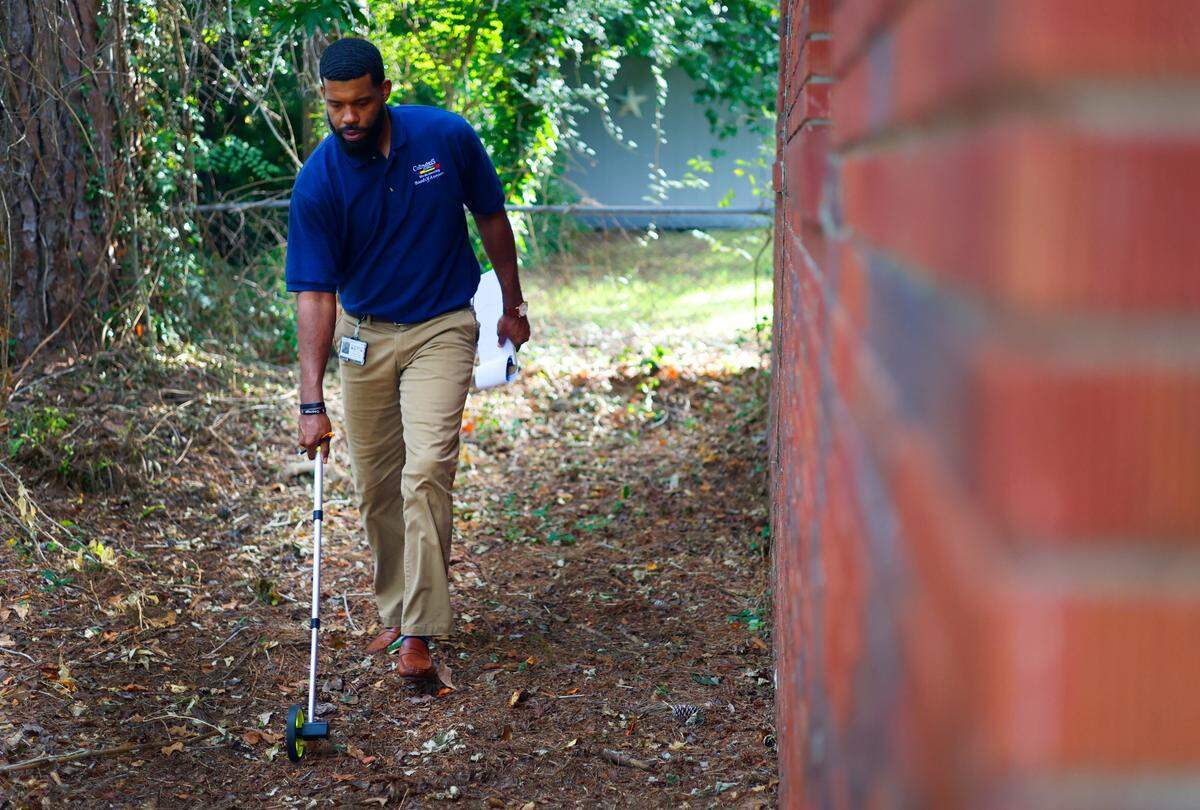
While assessors use a detailed methodology to assess homes, Widenhouse said in a June 10 meeting, they can get it wrong. Sometimes they don’t have complete or accurate information, she said, but this is why there is an appeals process in place.
“Nobody has ever said that we are perfect,” she said. “And we are more than happy to look at any property that somebody appeals or that somebody calls us about.”
Appeals can be filed in person or on the tax assessor’s website.
The tax assessment appeal period ends July 3 at 5 p.m., Widenhouse said.
This story was originally published June 16, 2025 at 5:00 AM.