After contentious debate, Columbus Council considers repealing airport commission
Members of the Columbus Council are considering repealing the Columbus Airport Commission after the two groups clashed during Tuesday’s council meeting.
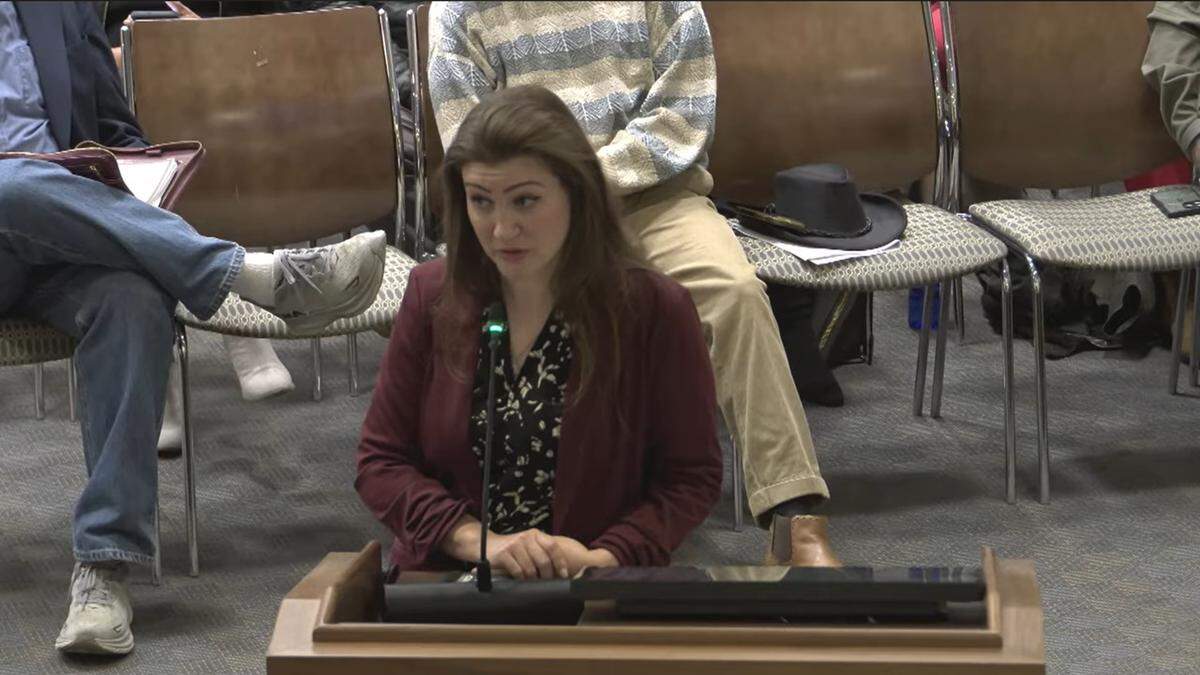
Airport director Amber Clark, along with members of the airport commission and staff, attended the meeting to update the council on the airport.
The delegation representing the airport ended up walking out of the meeting as councilors questioned them about the airport’s expenditures and pushed for the local business community to be represented on the commission, now that a seat is open.
Councilors raised concerns about the loss of American Airlines service two years ago and whether another airline could come to Columbus, the airport’s reliance on federal and state grants, complaints they have received from local businesses that use the airport and the airport’s plans to upgrade and expand the general aviation terminal.
Last month, the airport’s primary runway reopened after being closed in August for it to be reconstructed in a $24 million project.
The airport’s economic impact, which is calculated by the Georgia Department of Transportation, is about $94.5 million, Clark reported. It employs 711 people, spends about $66 million annually and generates around $4.1 million in state and local tax revenue.
The conversation grew tense when Columbus Councilor Glenn Davis of District 2 appeared to imply that, if the airport could not pay its expenditures, then there would be an impact on the city council’s budget.
“We’ve had a wonderful partnership with council in Columbus, GA, over many, many years, since its formation,” Alston Auten, an attorney representing the airport told the council. “However, we are separately held, owned and operated.”
Impact of losing American Airlines
American Airlines entered the Columbus market in 2021, Clark said. However, the airport wasn’t able to sustain the airline because of the pilot shortage and challenges caused by the COVID-19 pandemic. The airline ended service in Columbus in 2023.
Columbus enplanements, which is the measurement used for commercial travel by representing the number of passengers getting on a plane to travel somewhere, peaked in 2022 and started declining in 2023, Clark said. This decline is because of American Airlines leaving the market, she said.
“One thing that was really good for us was that Delta actually increased the size of their aircraft,” Clark said. “So they were able to pick up that extra capacity. And we’ve seen steady enplanements at a higher rate than we did before American came into the market.”
Revenues had increased steadily, Clark said. The general aviation side of the airport accounts for 47% of the revenue from fuel sales and other sales, she said. Terminal and land rentals are the second-largest generator of the airport’s revenue with 26%, according to the presentation.
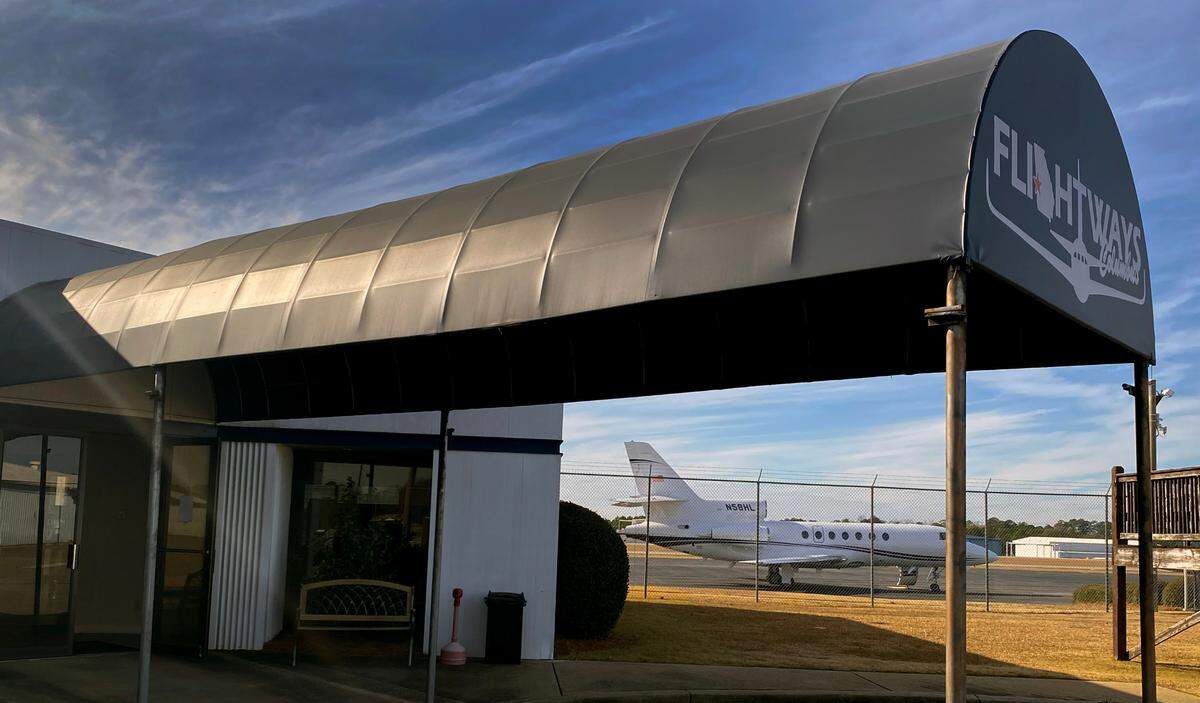
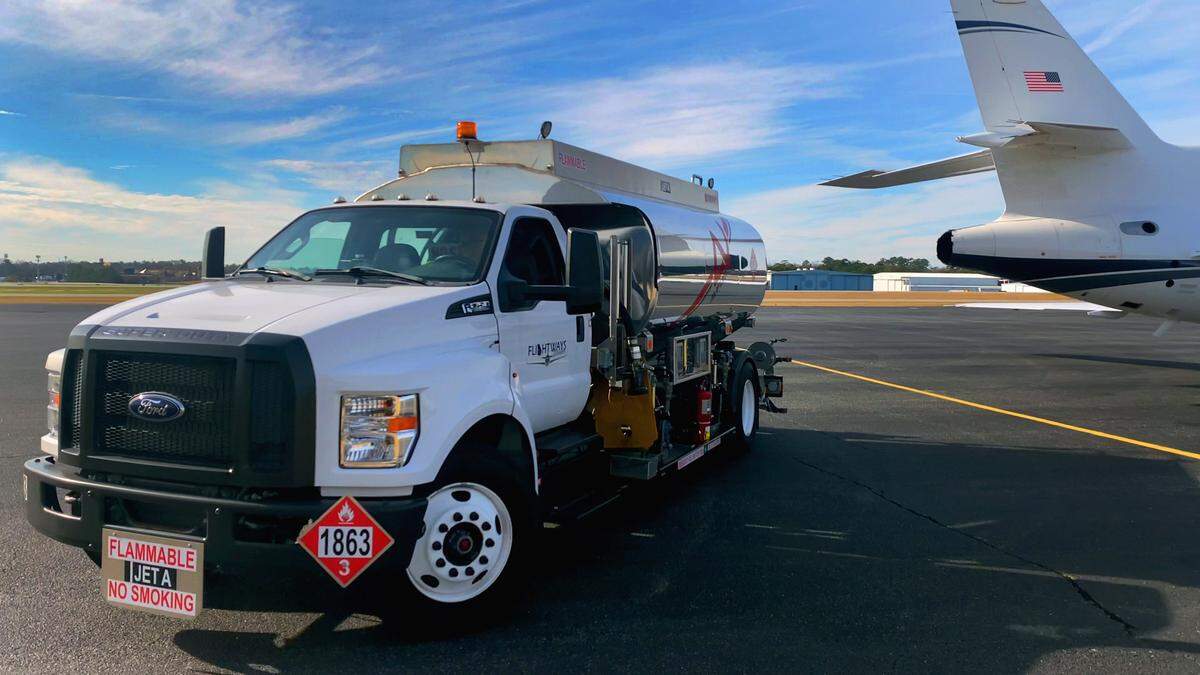
Fuel sales have increased steadily, aside from the dip in sales after American Airlines pulled out, Clark said.
“Last year,” she said, “we were able to bring in about $2.1 million in transient fuel sales.”
Key financial takeaways
Before providing an update on the airport’s financials, Clark offered a disclaimer.
“I’m going to give just a very high level overview of this,” she said. “I was asked to present some financials. If there’s more explanation wanted, we can definitely set up a meeting with council to discuss with our auditor.”
The airport is audited annually, Clark said, but the audit can be “deceiving or misleading” at face value when only looking at the net operating profits and losses.
“Most major airfield projects, like runways, taxiways, and safety improvements are paid for with federal Airport Improvement Program grants,” Clark told the Ledger-Enquirer in an email. “Because the airport is part of the national airport system, this funding is reliable and ongoing. Projects are planned years ahead through a five-year improvement plan that the airport updates every year, helping ensure continued investment in the airport over time.”
After the grant-funded projects are complete, their costs are spread over many years in the airport’s financial reports.
“Because airfield projects are costly, this accounting expense can make the airport look like it’s losing money, even though it earns more from daily operations than it spends,” she told the L-E. “This is clear when you look at the airport’s cash flow before capital transactions.”
In her presentation to the council, Clark showed the airport gained about $719,000 in net cash flow. There were losses in 2023 and 2024, she said, which were attributed to adjustments for pensions and expenses incurred because of federal regulations.
“The most important point is that Columbus Airport is financially strong and self-sustaining, with healthy reserves,” Clark told the L-E. “Despite what accounting losses may show on paper, the airport is solvent and not at risk of going out of business.”
Other capital improvements, airport funding
Clark’s presentation detailed other capital improvements the airport is making for its hangars. She also explained funding sources for the airport.
The airport is funded through it’s operating revenues. It also receives grants from the Airport Improvement Program, which receives 90% of its funding from the federal government, 5% from the state and 5% from the local government.
Funding also comes from the U.S. Department of Transportation and the Georgia Department of Transportation, with about 25% of grants from GDOT being funded locally.
Passenger facility charges collected from airlines and customer facility charges collected from rental car agencies contribute to funding the airport.
Clark updated the council on the airport’s plan to upgrade its general aviation terminal, which is in the design phase and is funded locally through Transportation Special Purpose Local Option Sales Tax and by GDOT through the Transportation Investment Act.
The estimated total for the terminal building will be between $11 million and $13 million, Clark said.
Columbus Council questions expenditures, sustainability
After Clark finished her presentation, Columbus Councilor John Anker of citywide District 9 asked her when the new runway will start benefitting the airport economically.
“When do we turn the numbers around for more sustainability in the math?” he asked.
Grants aside, Clark answered, this would come by the airport being able to attract more airlines and general aviation to the airport, particularly economic drivers like cargo.
“We actually had FedEx increase their cargo operations,” she said. “They doubled, and we’re excited about that.”
Anker was concern about this increase happening recently, after the runway reopened, so Clark informed him that they could provide an update soon, when numbers start coming in from this change to see the economic benefit. The councilor continued to express concerns about the airport’s cashflow.
“You’re good at writing grants, and we’ve done really well with that,” he said. “I, personally, am a little bit leery of relying on those monies. I feel like we’ve got to get economic development to make more sustainable cash flow.”
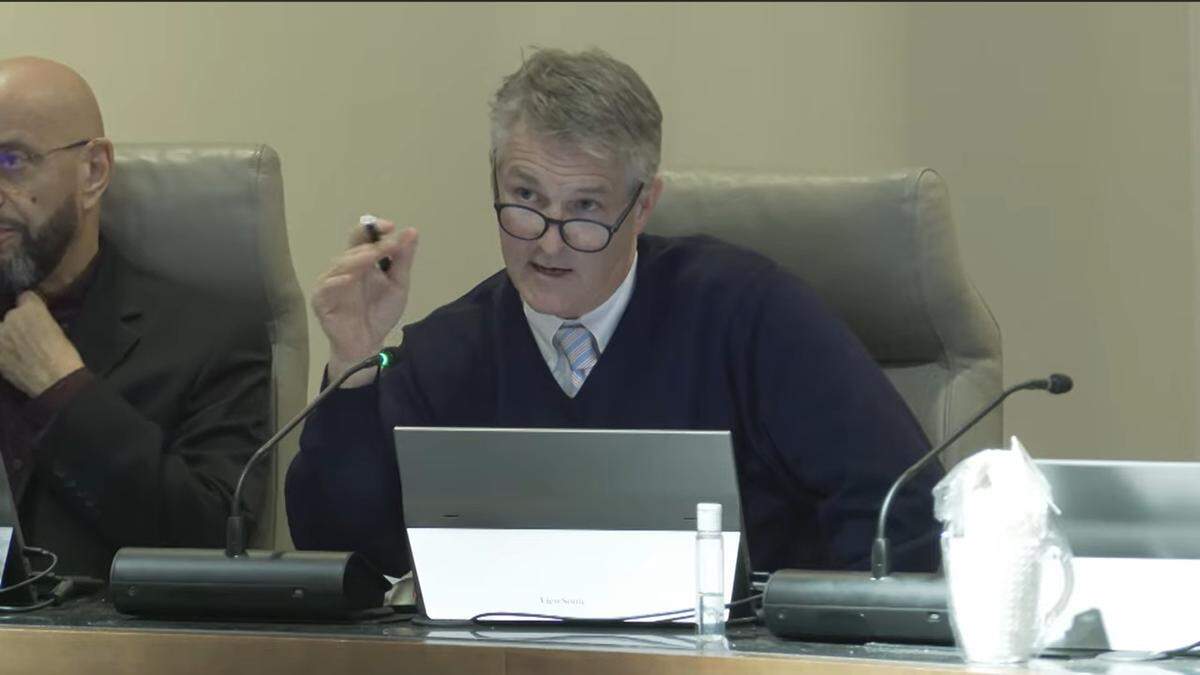
The airport has cash in the bank now, Anker said, but it’s going down, in part, because the airport has to use some of that cash to apply for grants.
Clark said he isn’t entirely accurate. She explained that there will always be a local share to fund the grants, but this has been offset with the passenger facility charges.
“That’s why it’s so important for our community to use the airport,” she said. “The more seats that we fill, the more revenue we’ve got.”
Anker asked what needs to be done to get American Airlines back to Columbus.
“To be completely transparent,” Clark said, “for us to bring a new airline in here, we need community support financially.”
Airlines need a minimum revenue guarantee, she said, which is about $3 million to $4 million.
“When an airline comes in, it’s extremely vulnerable and is competing against Delta,” she said. “It’s competing against other air service, so it needs to have that subsidy to help maintain through its first couple of years.”
The airline is supposed to pick up revenue on its own, Clark said. The airport cannot raise that money from grants; it must come from the community, she said.
“As soon as we have something like that,” she said, “it makes this market much more attractive to airlines.”
Anker argued a lot of debt was incurred to bring American Airlines to Columbus, and they no longer are here, but their economic impact remains. He said the approach must be balanced when negotiating with airlines.
Who should own and operate the Columbus Airport
Davis also expressed concerns about the airport’s revenue as well as who owns and operates it.
“I didn’t even realize that the authority was created back in 1968 as a constitutional amendment for the state of Georgia,” Davis said. “And it hasn’t changed since. I’m not a fan of the potential for a controlled environment or a monopolistic entity that could ultimately endanger what is considered a value to the community.”
Davis asked Clark, “Who do you believe owns the airport?”
Clark said the commission is responsible for the operation of the airport.
Davis said the airport received a resolution from the council recommending members of the business community be added to the airport commission. He asked Clark whether it would be considered.
“At this time, I know there is an opening on the commission,” she said, “and I believe the commission will engage those conversations and bring a name to council at a later date.”
The commission submits a nominee to the council for approval, according to the Columbus Consolidated Government’s website, and commissioners serve five-year terms.
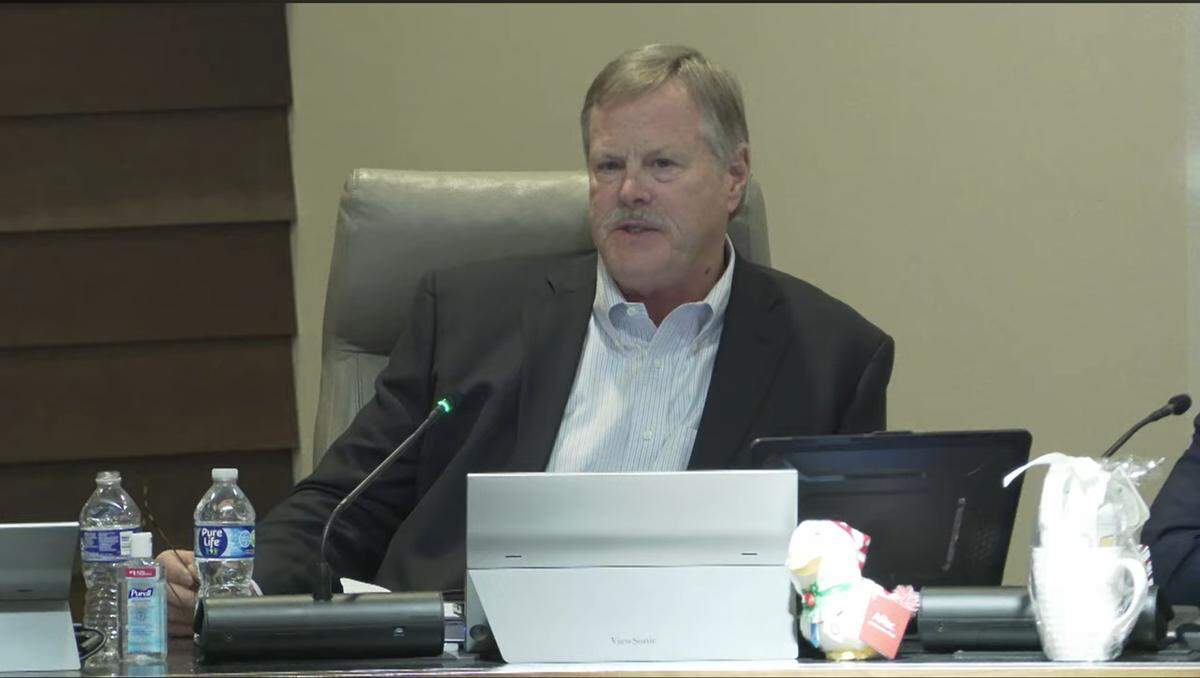
Davis asked whether Clark is pleased with the progress of the airport and pleased that it’s losing revenue.
“It is not losing revenue,” she replied.
Clark’s presentation slide showing profits and losses appears to show the airport’s revenue and usage is decreasing, Davis said, and expenditures are outpacing the revenue.
“Those things concern me because of the chair I’m sitting in,” he said.
Clark suggested Davis meet with the auditors to better understand the airport’s finances. Davis reiterated the council and the business community are concerned about the airport’s financial sustainability.
“What I see in the presentation — what I see in the summary — is the path we’re going down leaves a question,” he said. “Ultimately, that comes to my desk in the form of how we deal with our budgets because, if there is a shortfall, you can’t get the grant money. Your expenditures are going to have to be satisfied.”
Call to repeal the Columbus Airport Commission
As Davis shared his concerns about what might happen to the city’s budget if the airport can’t pay its expenditures, the airport’s attorney, Alston Auten, stepped to the podium.
Auten said the airport isn’t owned by the council or the citizens but by the commission.
“Five people?” Davis asked. “That rotate? And they’re responsible for everything that has been presented?”
Davis’ argument is similar to attempting to define Columbus, Auten said.
“Is it this random assemblage of an entity?” she countered. “Is it the citizens? Is it council that rotates every so often? That same line of questioning is directly applicable to the commission.”
Davis acknowledged they have a difference of opinion about this fact. Auten argued, despite their opinions, many entities in the state are set up in this way.
They went back and forth about Davis’ comments regarding the airport’s budget. Auten said the commission and council are separate. Davis argued he was speaking about the financial reports, not the budget. Auten, however, noted he said “budget.”
“It’s clear for everyone to know, whether it’s the council, the Columbus Airport Commission or the citizens, that the Columbus Airport Commission is very separate from the council,” Auten said.
Commission vice chairwoman Delois Dee Marsh thanked Mayor Skip Henderson for inviting them to the council meeting. Then she said the presentation has concluded.
“We would love the opportunity to have any further conversations after today,” Marsh said. “Thank you all so much.”
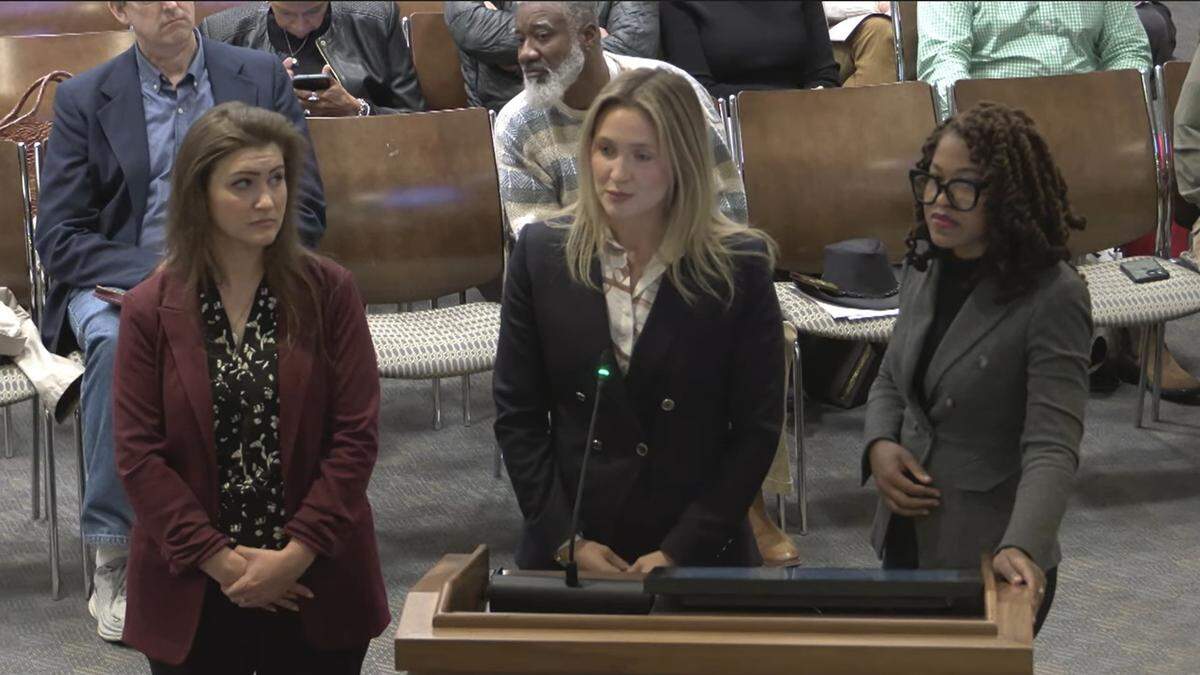
Davis continued to speak as the airport delegation left the podium.
“I’ve never seen this attempt to shut down a meeting before the citizens of Columbus, which raises red flags,” he said.
Davis went on to reiterate his concerns about the airport’s expenditures. He said questions about the subject were being dodged.
Henderson said Davis raised good concerns and promised to do what he could to reconvene the two groups in a meeting for more conversation.
Councilor Walker Garrett of District said he hopes citizens were listening. Then he requested a referendum calling for the commission “to be changed.”
“You saw tonight that is necessary because it does very much affect you,” he said.
Garrett said constituents have complained about the airport and told him they have moved their planes away from Columbus. Complaints about the airport include fuel prices, fees, tax policy and the hangars being renovated, he said.
“I do understand our power,” Garrett said. “I understand this is a constitutional commission, but I do think we need to change that. I think we need to send a resolution to the legislature asking them to change that or authorize a referendum because this does concern me. This is not how you come before the elected body representing your people. Whether you say the citizens own the airport or not, it’s on our land.”
City Attorney Clifton Fay said the constitutional amendment that created the airport commission could be only repealed by voters, not amended. A lot of discussion and planning about what sort of entity would replace the commission is needed before asking for a referendum to repeal it, he said.
The Georgia Legislature could pass a local act creating a new Columbus Airport Commission effective Jan. 1, 2027, Fay said. But if the council asks for a referendum, then they likely won’t do this until November 2026, he said.
“You’ve got to come up with a plan to put together a new entity, whether it’s called the airport commission or something else,” Fay said.
Councilor Charmaine Crabb of District 5 asked Fay to look into examples in other jurisdictions, such as Atlanta and Savannah.
“We do intend to follow-up on what our commitment was,” Henderson said. “And that is to try to see if we can arrange a meeting and talk with the auditors, talk with some of the financial folks and see if we can continue this meeting at another time.”
Henderson concluded the conversation by emphasizing the follow-up meeting should be in a public forum.
This story was originally published December 22, 2025 at 5:00 AM.