
Leader of proposed data center in Columbus opens up about controversy
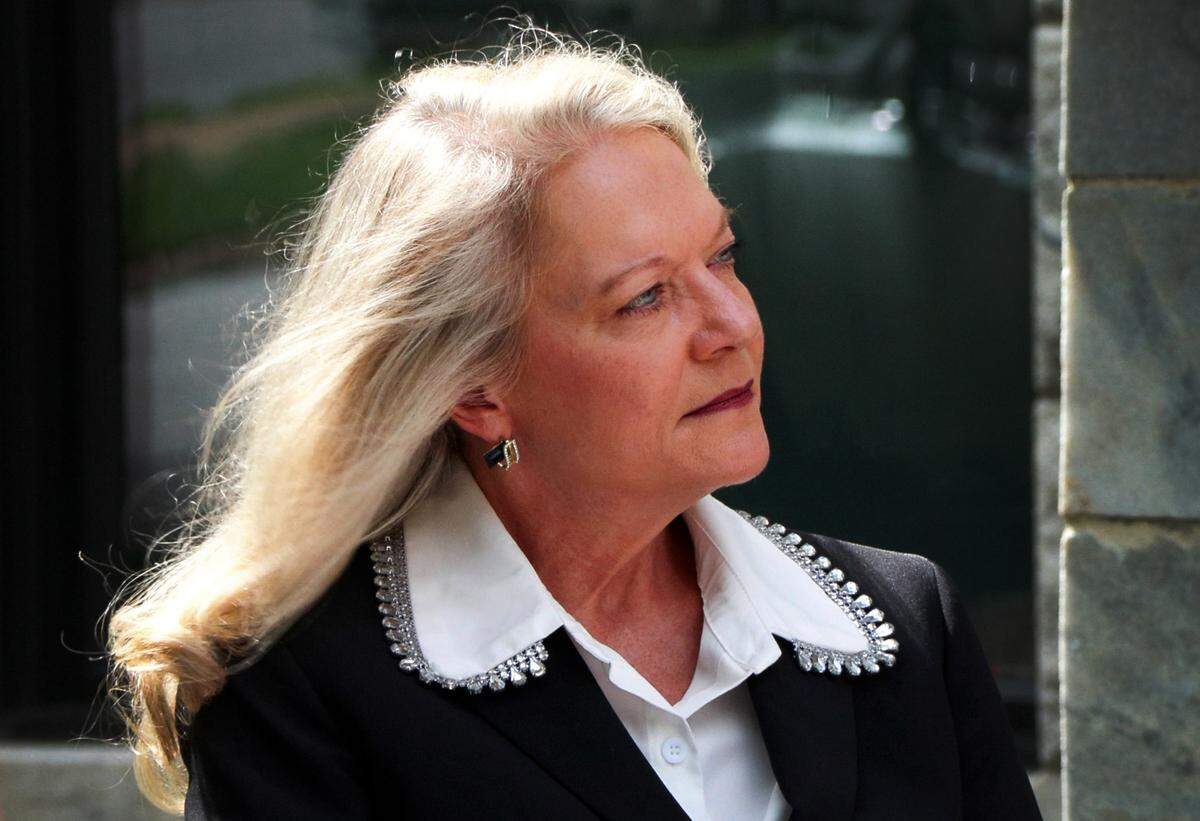
Less than a year into her tenure leading economic development organization Choose Columbus, Missy Kendrick is already in the middle of a controversy: Project Ruby, a proposed $5.18 billion hyperscale data center.
Kendrick has become the public face of this project, defending its economic potential while responding to community pushback. She spoke to the Ledger-Enquirer about her experience.
“I have been doing economic development for over 30 years, so this is not the first controversial topic that I’ve ever run across,” she said. “What has been challenging, and I think it’s just a sign of the times, is that people now tend to be more vicious. They just tend to have personal attacks. And, to call somebody, whether it’s an elected official or whatever, a liar, without having anything to back it up with, is just a different situation.”
Kendrick said she will continue to be the face of Project Ruby until the developer puts in their rezoning application, essentially naming themselves.
“I’m trying to deal with that the best way that I can,” she said. “. . . They’re going to have to step forward, and I’ll stand right there with them. But right now, it is trying to help facilitate the location of a data center in our community. That’s my job, that’s my role, and I’m working hard at trying to make it happen.”
Who is Missy Kendrick?
Kendrick is the first president and CEO of Choose Columbus, the marketing arm for the Development Authority of Columbus. The Choose Columbus initiative was announced last year with Kendrick beginning her tenure in May.
Before this role, Kendrick was president of the Rome-Floyd County Development Authority and is credited with helping to bring over 1,700 jobs and $3 billion in capital investment to Georgia communities, according to a Choose Columbus news release.
In her first interview with the Ledger-Enquirer last year, Kendrick said the role became available at a time she was not looking for a career move. But the momentum of opportunity in Columbus convinced her to jump in.
“I was very happy in Rome, doing a great job,” she said. “But, upon talking to the leadership here, hearing the passion and seeing the opportunity and the momentum that we have right now, it’s hard not to say I want to be a part of that.”
During her tenure, Kendrick and Choose Columbus have been credited with bringing new investments to the Columbus area, including JS Link’s $223 million advanced magnet facility, bringing 524 new jobs, J.M. Smucker Co.’s $120 million bakery expansion, producing at least 48 new jobs, and BioTouch $12.5 million factory expansion, creating 480 new jobs.
Choose Columbus has said the Project Ruby data center would bring 195 new jobs, ranging in salary from $80,000 to $120,000.
Missy Kendrick’s thoughts on Project Ruby and past data center projects
Kendrick said she was approached by Georgia-based Habitat Real Estate Partners in July about the Project Ruby site, approximately 900 acres in northeast Muscogee County, bordering Harris County and Talbot County. The firm first had the idea of turning the site into a wetlands mitigation bank, a property that sells credits to developers, Kendrick said. That idea wasn’t profitable enough, she said.
“The market was a little softer than they expected it to be when they started doing research,” she said. “That’s where the data center idea came in. I was working with them on a wetlands mitigation bank for a couple of months before the data center ever came up.”
Habitat Real Estate Partners also suggested turning the site into a solar farm, which Kendrick said she rejected.
“You would have to cut down all the trees to put a solar farm there,” she said. “I thought there was a better use for the site than that.”
Kendrick was involved with three data center projects in Rome, including a Microsoft facility being located on Huffaker Road in Floyd County.
“It was an opportunity for the Board of Education to make some money on a project and own some land that they felt would benefit the school,” she said. “So that happened, that agreement to sell the property, and allowed us to market that site for a data center.”
Kendrick said she was not recruited to Columbus to build more data centers, but she reasserted her opinion about data center development across the state.
“I came here to Columbus to do economic development; data centers are economic development,” she said. “I came here to get closer to my family. I did not have any kind of preconceived notion, except that I knew the benefits that a community gets from a data center. I have said since I got here that I think every county should have a data center, especially some of our rural communities around us that do not have industry, do not have a way to offset property taxes, and don’t have the money to do projects and development within their communities. A data center would be the best way for them to do it without raising taxes.”
A data center’s capital investment far exceeds other large economic development projects, Kendrick said. The The largest capital investment for an economic development project Choose Columbus has announed is JS Link’s $223 million advanced magnet facility. By comparison, Project Ruby’s $5.18 billion price tag is roughly equal to 22 JS Link projects.
Revenue generated by Project Ruby would be reinvested in the Columbus community, Kendrick said.
“It’s property taxes that will be paid to the tax commissioner, who then sends them to the city and the school system to make part of their budgets,” she said. “You absolutely will see it and what [the city] decides to do with it.”
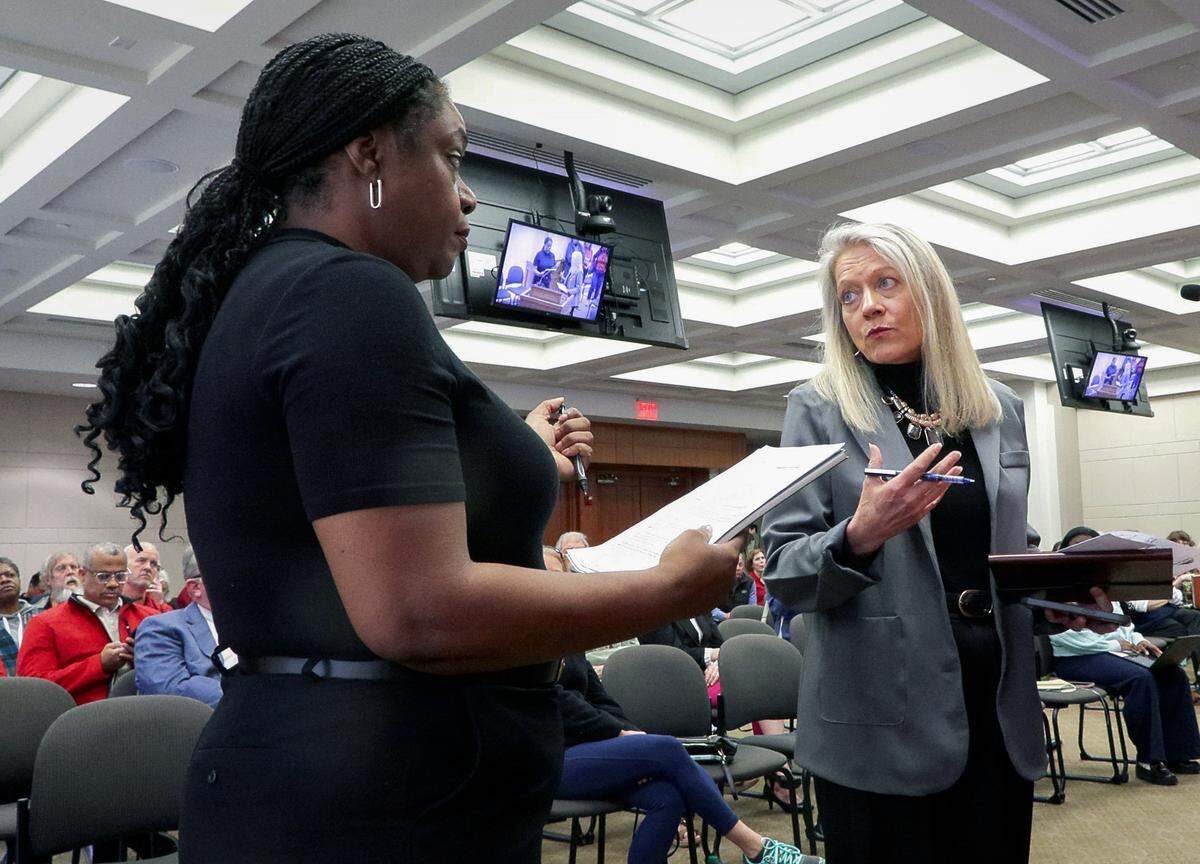
Kendrick has been hosting public meetings every other Friday to field questions and concerns from Columbus residents about economic development projects. Project Ruby questions have taken center stage.
“When you have the subject-matter experts there, and you have the people that represent the water and the sewer that are answering your questions, and you still walk away with the same conversation or the same accusations or the same misrepresentations, then where do we go from there as a community?” she said. “How do we convince somebody who doesn’t want to be convinced?”
Kendrick says she will continue hosting these meetings “until people stop showing up.”
This story was originally published March 24, 2026 at 5:15 AM.