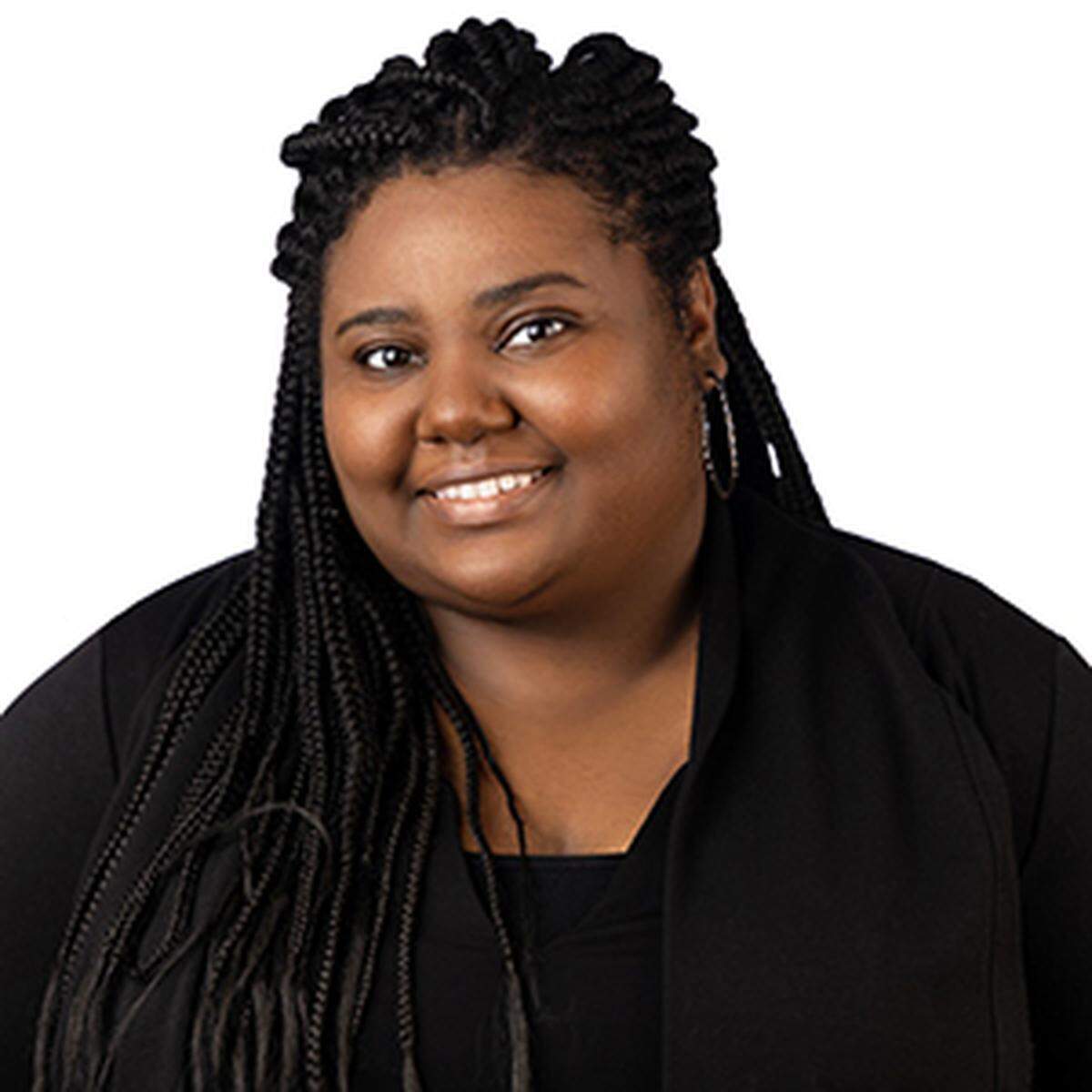
Georgia governor candidate Keisha Lance Bottoms speaks on top Columbus issues
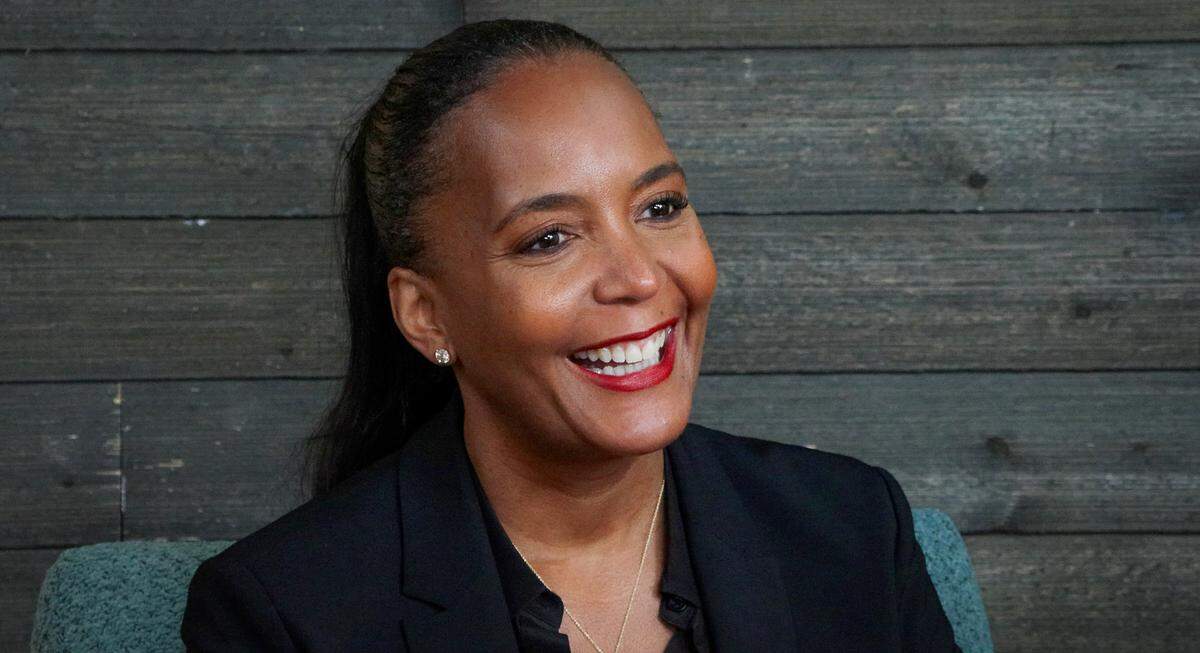
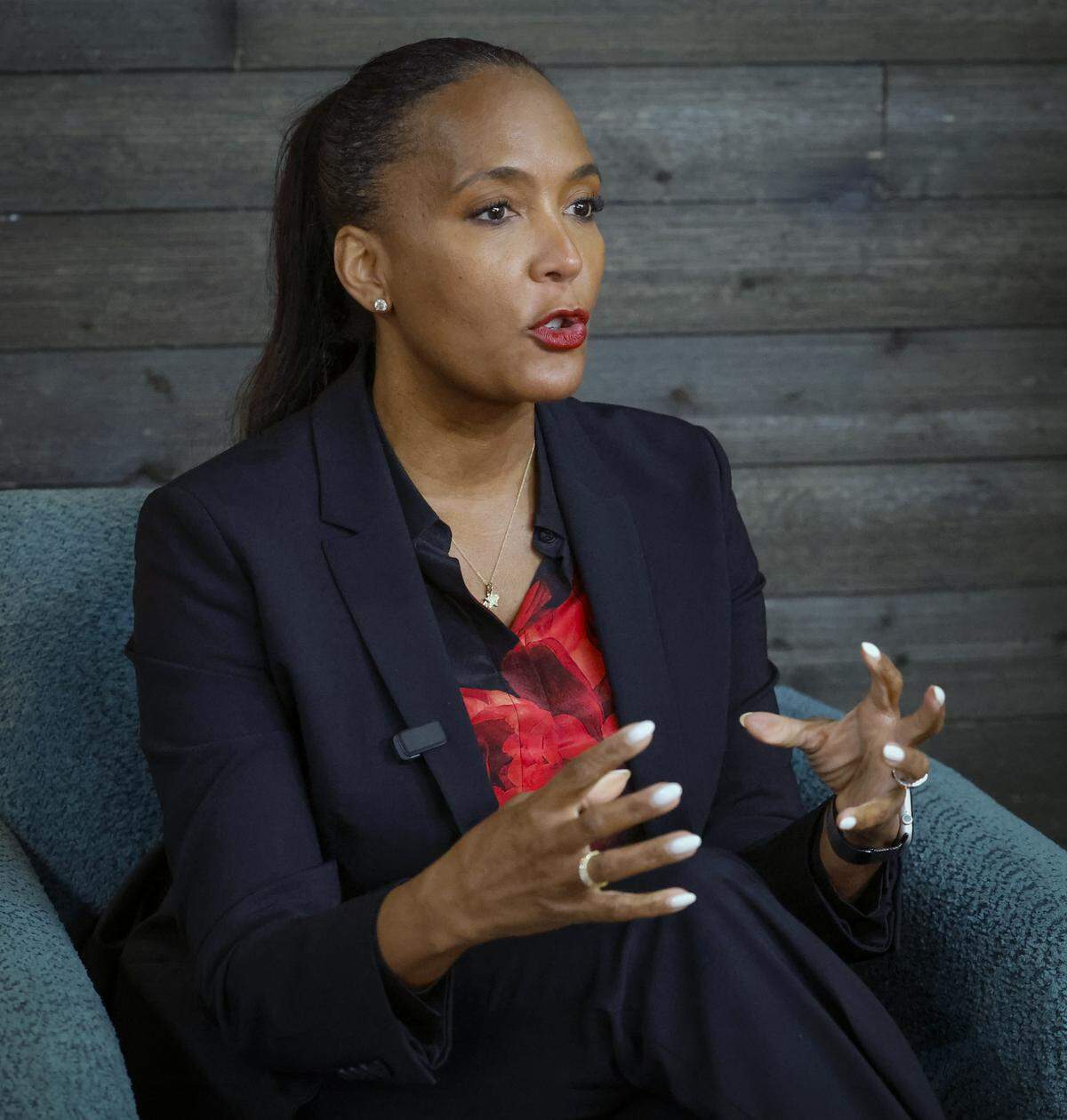
Gubernatorial candidate and former Atlanta Mayor Keisha Lance Bottoms is proud of her family’s long history in Georgia.
Bottoms is at least a fifth-generation Georgian, she told the Ledger-Enquirer, and can trace her roots to a plantation in Crawfordville.
She brought this history with her as she served as the 60th mayor of Atlanta, she said, when she became the only mayor in the city’s history to have served in all three branches of government. Bottoms was a judge in Fulton County and a city council member prior to becoming mayor.
She also served as an advisor to Former President Joe Biden.
Bottoms, who is now vying to become the Democratic nominee for Georgia governor in the 2026 election, sat down with the Ledger-Enquirer to discuss policy issues that impact Muscogee County and the state at-large.
Here’s what Bottoms had to say about some of the top issues.
Answers have been edited for clarity and length.
Q: What concerns do you have about data centers and the impact they’ll have on Georgia communities?
A: I understand the attraction for policymakers and those looking at tax revenue and how to attract businesses to this area.
(Project Ruby) is going to be nearly $70 million in property tax revenue and around 200 jobs, as I understand it. But I also understand that communities are deeply concerned, as they should be.
Data centers are coming online so quickly in this state, and the impact on our environment is still very much unknown. Many people are connecting data centers with rising utility costs. We know that they use a lot of water.
It is an opportunity for us as a state to press pause.
I believe in just looking at where we are, what is the impact as they are coming online, and whether there is anything we need to tweak in this state before we continue.
We know there were a lot of incentives for a lot of these companies.
But when you have communities saying, ‘I’m concerned about this happening in my community, I’m concerned about it happening in my backyard,’ you have to listen to that.
If I am elected governor, I will ask for a pause in construction on data centers throughout the state to allow us to understand exactly where we are.
As a candidate, I’m in the process of setting up a meeting with Georgia Power.
I want to have a conversation with Georgia Power about the plan. Are we, as a state, getting all the information we need to make informed decisions?
Q: Where do you stand on cutting property taxes?
A: I’ve been a property owner in this state since I was 25 years old — more than half my life at this point. Never once have I gotten a property tax bill in the mail and said, ‘Oh, yay, my tax bill is here.’
I understand people don’t like taxes, but taxes are necessary.
I am deeply concerned that we are being irresponsible as a state when we are talking about removing property taxes because property taxes help fuel our schools financially and run our local governments.
Nobody’s been able to explain where that revenue shortfall will be made up.
We’re on this path toward eliminating state income taxes, and now there’s this effort to eliminate property taxes, and it’s going to be on the backs of someone. More than likely, it’s going to be on all of us, on working families, on people who are going out and buying goods and services.
That money is going to have to be made up somewhere.
It’s a great tagline for an election year, but I haven’t seen the proof in the pudding about where the money is going to come from if we eliminate it.
Who’s going to pay for police and fire? Who’s going to fund our schools, especially with the federal cuts coming from the Department of Education?
It just seems very irresponsible and not well thought out.
Q: Could you explain your plan to eliminate income tax for teachers?
A: In proposing eliminating income taxes for teachers, we were looking at our teacher shortage in this state.
We are looking at our ability to attract and retain teachers, while doing it in a responsible way.
Part of being responsible is looking at the budget and seeing what the budget can absorb.
It would be great if nobody had to pay income taxes. But again, where do we make up the budget shortfall?
We know that our budget can absorb the elimination of income tax for teachers, but I don’t believe we can do it for everyone in this state right now.
Q: What’s your plan to ensure economic opportunity in cities like Columbus?
A: Across the state, mid-sized cities are saying our young people are leaving and aren’t coming back.
It is a real issue.
And as governor, it’s incumbent upon me to help every single city and corner of the state to make sure that people have a reason to go back home, so that they can invest in the communities.
They can raise their families and build a life in those communities.
That means attracting economic development throughout the state.
Columbus is actually very different from some of our other mid-sized cities in that two large corporations are based there.
But, it’s going to be about building back up Main Street and giving people an opportunity to be able to afford homes in these respective cities with access to great schools and great health care.
It’s about economic development, but it’s all tied together.
When these Fortune 500 companies are coming, looking to plant their feet in Georgia, saying this is a really big state and there are a lot of places you can choose from.
When you think about the commute from Columbus, even to Atlanta’s major airport, I would venture to say you can get there faster from Columbus than you can get there from North Fulton County, depending on traffic.
There’s a great case to be made as to why people should choose Columbus.
Q: Do you have any concerns about election integrity in the upcoming elections?
A: I am deeply concerned about the integrity of our elections and our ability to even have elections next month in this state.
In fact, early voting is April 27 through May 15, with our primary on May 19.
We saw what happened with the raid in Fulton County. This proposed SAVE Act and federal takeover of the elections is not the way that elections are run in this country.
Elections are run by states.
States’ people elect a Secretary of State. That race will be on the ballot.
The thought that the federal government is going to step in and perhaps move voting machines and take over our elections is very disturbing.
John Lewis said his greatest fear was that he would wake up one day and our democracy would be gone. There’s nothing more of a cornerstone of our democracy than this right to vote, the sanctity of the right to vote, and states across this country regulating voting in their respective states.
I am deeply concerned.
I do believe that it’s about more than this election. It’s about more than 2020; this is about the midterm elections that will happen in November.
And I believe it’s about the next presidential election and the ability to disrupt our right to access the right to vote.
If you’re not registered to vote, you have until April 20 to register if you want to participate in the primary. Check your voter registration status.
I’ve heard stories of people who’ve said I’ve participated in voting the past few years, I haven’t moved, and my status, my registration has been canceled. Double-check it for yourself and everyone in your household.
Show up in record numbers, so there aren’t thin margins that we wonder if the election went one way or the other.
We want to make it clear which way the elections will go this year.
This story was originally published April 3, 2026 at 5:35 AM.