Columbus mayoral candidate Joanne Cogle — what she says about top issues in election
Editor’s note: This is one of the Ledger-Enquirer’s profiles of candidates in the Columbus mayoral election. Early voting for the 2026 local nonpartisan election, which coincides with the Georgia primary, begins April 27, and election day is May 19.
Columbus Councilor Joanne Cogle arrived in Columbus by way of the military about 17 years ago, calling the city home after her husband retired from Fort Benning.
After settling in Columbus, Cogle became a small-business owner, opening CrossFit CSG and running the TriColumbusGA triathlons, she said.
Cogle, who previously lived in Hawaii, said seeing the Chattahoochee River and the Chattahoochee Riverwalk inspired her to compete in a triathlon.
“That was my first stint with the city council,” she told the Ledger-Enquirer. “The late (Councilor) Judy Thomas looked at me and said, ‘You want to do what? You want to swim in that river?’”
Fifteen years later, thousands of people have participated in races involving the river, Cogle said.
Cogle was elected to the city council in 2022. Now, she is running to become mayor of Columbus in the 2026 election.
The council is an extension of its constituents, Cogle said. They find out what’s going on in the city and bring those issues to the mayor and city manager.
“I would like to see top-down leadership be effective as well as receptive to the council,” she said. “I would like them to be receptive to what our citizens are looking for and what their ideas are.”
The Ledger-Enquirer sat down with Cogle to discuss some of the top policy issues and initiatives she would propose as mayor.
Bringing economic opportunity to Columbus
A big hurdle to attracting businesses to Columbus is the process for zoning and permitting, Cogle said.
“I’m a small-business owner myself and have had some issues with zoning and permitting,” she said. “And that is a much smaller scale than what some of our incoming businesses have experienced.”
Columbus Consolidated Government offices are antiquated, Cogle said, and automation could help zoning, permitting and the inspections and codes process operate in a more timely manner.
“Businesses are business owners, and they are spending money here,” she said. “The longer we take in those processes, (the more money) is spent by those business owners.”
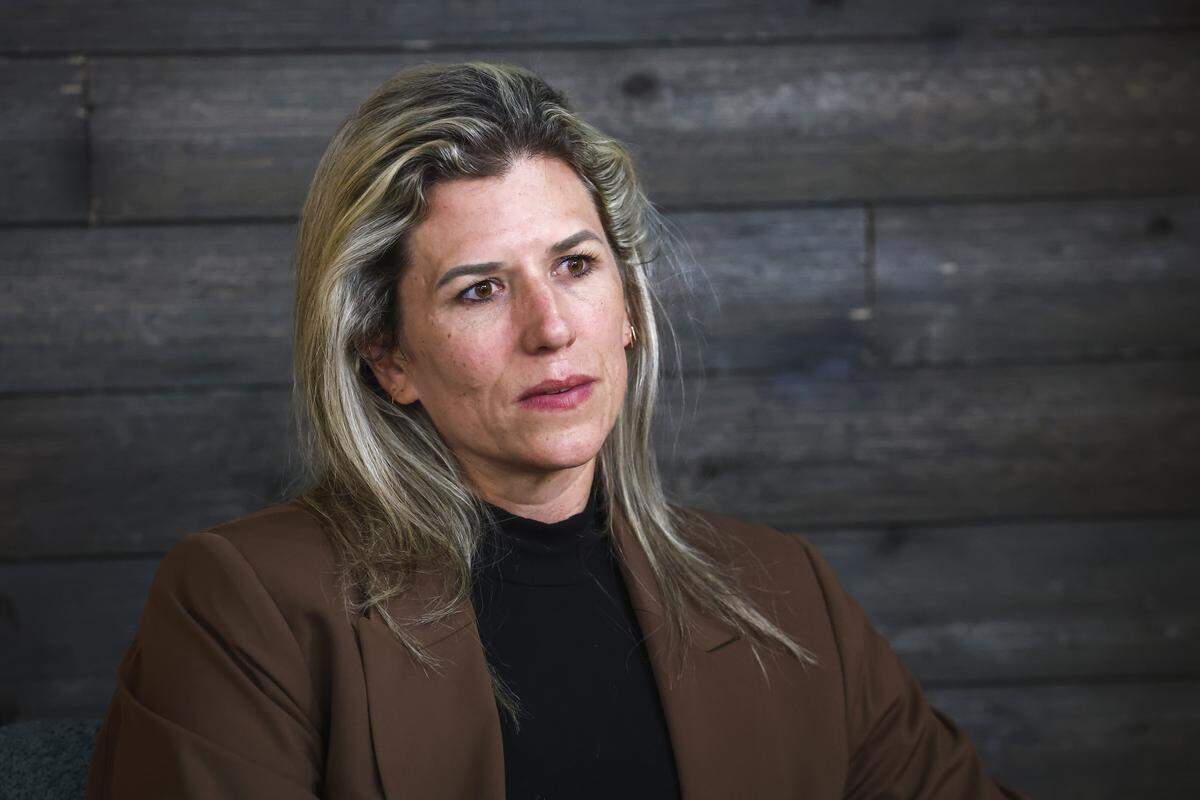
Cogle said she also wants to address the city’s “internal narrative” — how residents view the city.
“We have a negative way of thinking about ourselves,” she said. “And that needs to change because the way that the community outside of us sees Columbus is as a tourist destination, a great place in the South and a diamond in the rough.”
Impact of Georgia General Assembly ending or cutting property tax
The impact on Muscogee County if the Georgia General Assembly considers eliminating or reducing property taxes is concerning, Cogle said.
“As a homeowner myself, I look at that as a positive,” she said. “I won’t have to pay property tax. That also puts a big strain on our city budget.”
Columbus relies heavily on sales taxes, Cogle said, and her constituents “feel the pinch.”
“We have one of the highest tax rates in the state,” she said. “We can’t go much higher.”
Total sales tax is 9% in Columbus (4% goes to state, the rest local) — tied for highest in Georgia, as of last April.

The city depends a lot on property taxes, Cogle said, and if it’s lost as a revenue source, then that is very concerning.
Some strategies to make up for such a loss in revenue could be increasing trash pickup fees or increasing parking fees, she said.
“It’s a big concern,” Cogle said, “and we’re going to have to take a look at it as a council, as a city, to see how we can figure that out in the future.”
Concerns about proposed data center Project Ruby
Cogle mentioned three big concerns about the proposed data center, Project Ruby, in Columbus.
The first one is environmental. As someone in the health and wellness industry, Cogle said, the community’s health is important to her.
“I’m a cancer survivor myself,” she said. “So, those are things that are really important to me, making sure that we are taking care of the health of our citizens.”
This includes physical and financial health, Cogle said.
Secondly, Cogle said she is worried that if Muscogee County does not take this opportunity to create a technology overlay district, adjacent Talbot County will do so instead.
“Then Muscogee County will not have any say in any of the overlay or any of the requirements,” she said. “It will fall on a different county, and we lose the opportunity to say these are the standards that we want to achieve, and these are the requirements for this company to put a data center in.”
This is in contrast to a data center being built 1.1 miles away from a Muscogee County resident, she said, and to her having to direct that resident to Talbot County because she won’t have any say in how they’re operated.
Lastly, Cogle said she is concerned about how the overlay would be enforced.
“Do we have enough teeth,” she said, “and do we have the leadership in place that will go to that company and say, ‘No, you are wrong.’”
Preparation for economic hardship
The city government should take a deep dive into its budget, Cogle said.
“We’re at almost $400 million in our budget right now,” she said, “and we need to take a line-by-line look at where our funds are going and how we’re using them.”
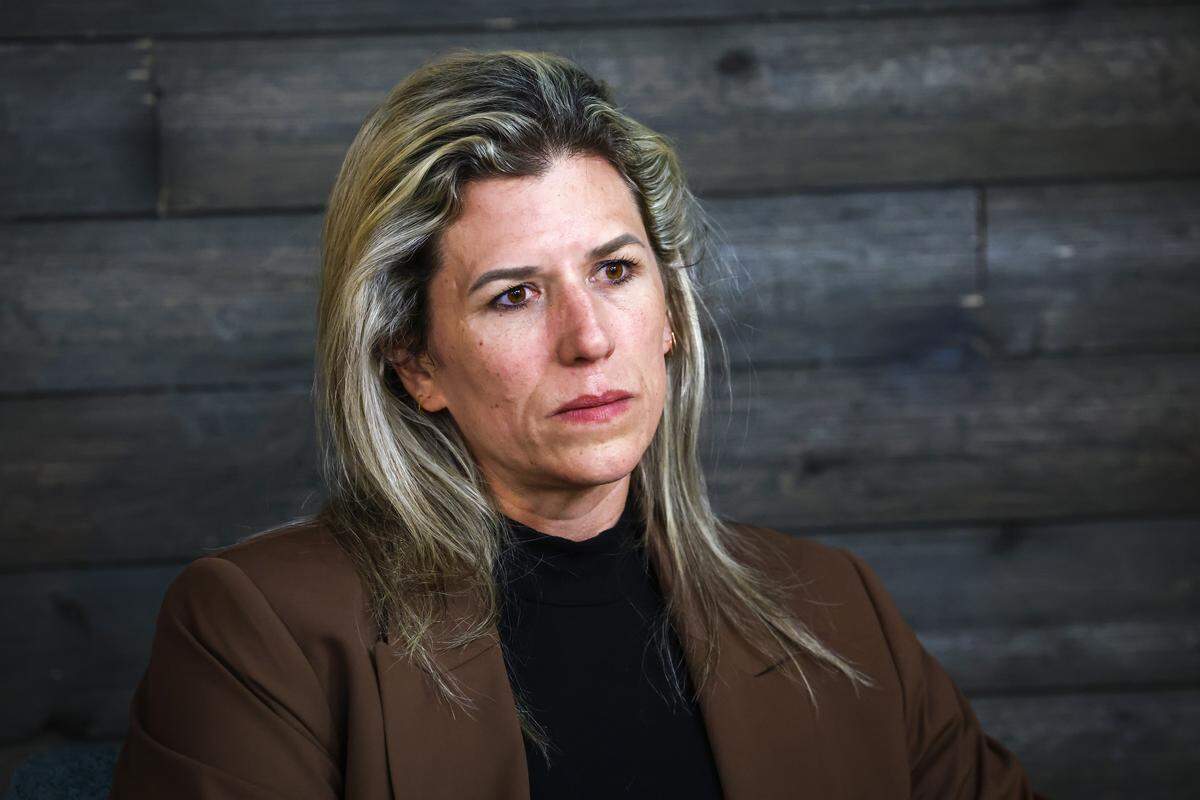
City officials must be fiscally responsible, Cogle said. Columbus is fortunate to have Fort Benning as a neighbor, she said, so it’s in a better situation than other cities in the country if there’s a recession.
It will be important to strengthen relationships with Fort Benning and Columbus State University, Cogle said, to ensure some of the stable aspects of the city’s economy.
Public safety in Columbus
The mayor is the head of public safety, Cogle emphasized, and recommends who should be the chief of the Columbus Police Department. The city council then votes on that recommendation.
This is important because Columbus Police Chief Stoney Mathis is leaving at the end of the year, she said.
Mathis, who became the Columbus police chief in 2023, has served the city very well, Cogle said.
“We had to make that difficult decision here on the council to switch up our leadership and, as a result, our crime is substantially down,” Cogle said.
Freddie Blackmon accepted the council’s $400,000 severance package to retire as Columbus police chief in April 2023.
The police department is now fully staffed, Cogle said. If elected mayor, she said, one of her goals would be to ensure that momentum continues.
Cogle said she wants to help morale among Columbus police officers remain high by supporting them with the pay and technology to be successful.
“We need to make sure that we have the leadership in place that’s going to make that decision on who our next police chief is,” she said.
Planned initiative on health
Columbus is ranked low on the list of healthiest cities in the United States, Cogle said.
She said she serves on the city’s Community Care Fund board, which helps care for people experiencing homelessness and people who have mental health issues.
Columbus has a “mental health crisis,” Cogle said, and she plans to address it if elected mayor.
“I don’t think that health and wellness is just your physical health and wellness,” she said. “It’s your financial, your emotional, your mental health. … I think that we can be better as a city. And when you feel better, you’re happier, and it’s a better place to live in.”
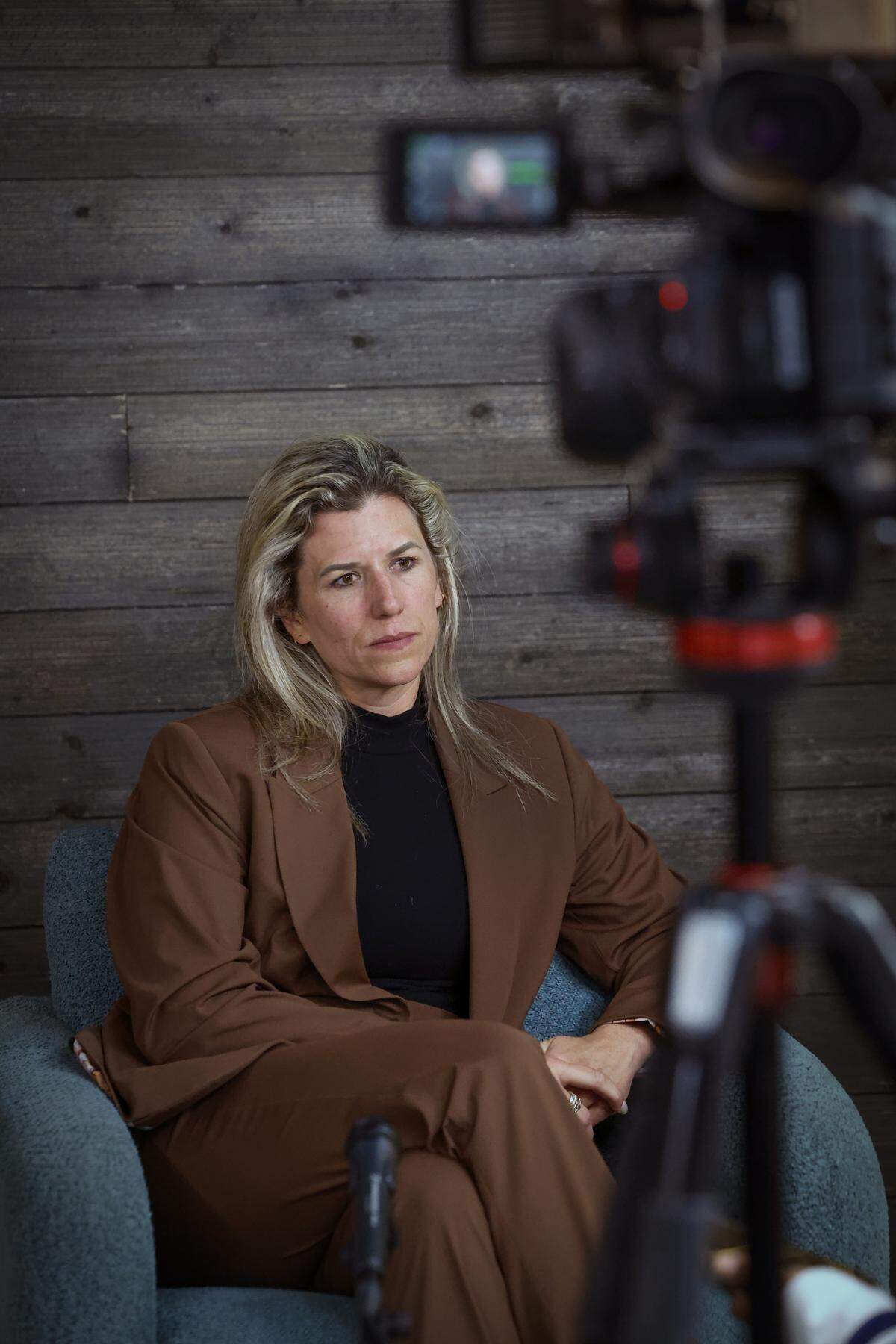
Columbus should have “pride in our community,” she said. This can be improved by picking up trash, taking care of neighbors and changing the way residents think of the city, she said.
“It’s going to be imperative that we have that leadership that can bridge that gap, that can stand in that gap, that can hold the hands of both sides and be a neutral entity going forward,” Cogle said.