
Can you get sick just from being outside in cold GA weather? What health experts say
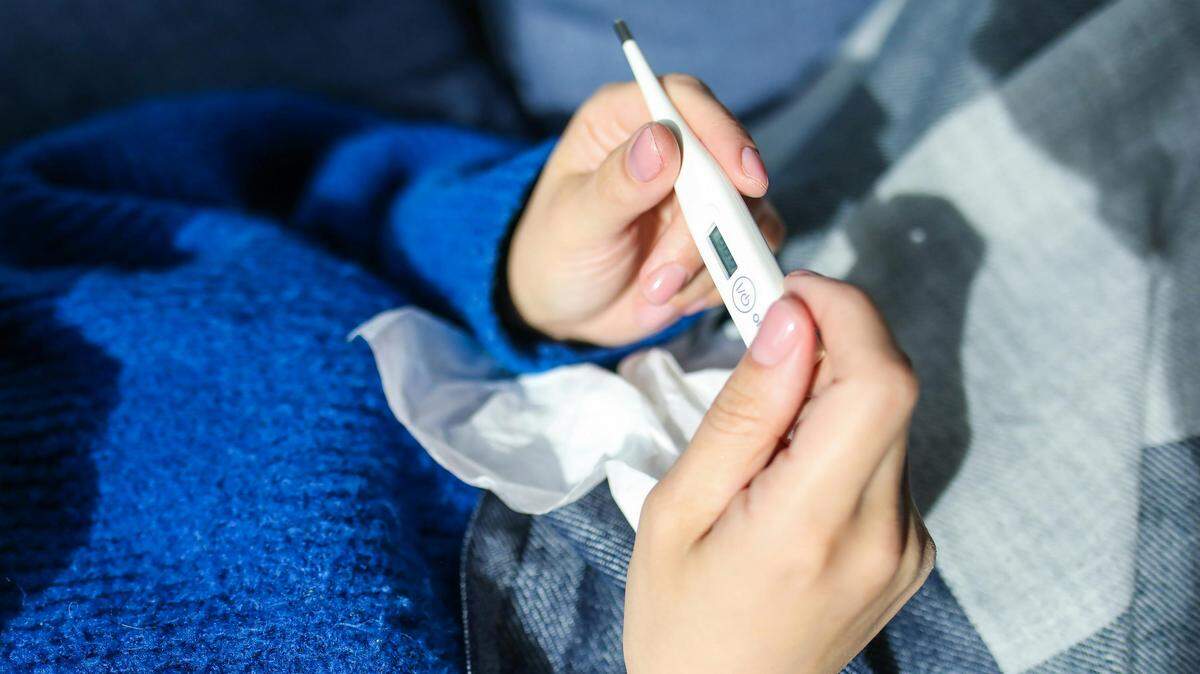
We all grew up hearing that cold air causes colds, but germs, not chilly weather, are the real culprit.
Children’s Healthcare of Atlanta explains that many common illnesses are caused by contagious viruses, not by exposure to cold air or cold weather itself.
Why do we tend to get sick more often in winter?
A study published in the National Center for Biotechnology Information outlines several factors that contribute to increased illness during colder months:
- Virus behavior: Some viruses thrive in cold, dry air, making winter an ideal season to spread.
- Indoor gatherings: Cold weather drives people indoors, where close quarters make it easier for viruses to transmit from person to person.
- Respiratory effects: Cold air can irritate airways, especially in people with asthma or chronic lung conditions, making them more susceptible to respiratory infections.
- Immune system changes: Some research suggests that cold temperatures slightly reduce the effectiveness of our immune cells, so we are less equipped to fight germs when we contract them.
Can cold weather impact health at all?
So, grandma was sort of right. Although cold weather isn’t the cause of illness or disease, it certainly can exacerbate it.
Dr. Haitham Khraishah, a preventive cardiologist at University Hospitals Harrington Heart & Vascular Institute, warns against exposure to extreme weather. Although most of us aren’t likely to brave the winter weather for extended periods, the cold can be dangerous itself. It acts as a catalyst for certain conditions.
Most common cold weather conditions:
- Hypothermia
- Cardiovascular issues
- Respiratory problems
- Frostbite
- Increased susceptibility to illnesses
Besides staying warm, how can I stay healthy this winter?
Bundling up is good for comfort and preventing hypothermia, but it won’t necessarily prevent you from catching a virus. Healthy people are less likely to be affected by very low temperatures, so the cold is not as much of a threat.
Particularly vulnerable individuals or those with weakened immune systems shouldn’t take unnecessary chances in winter.
Tips for staying healthy:
- Get vaccinated against flu and COVID-19.
- Practice good hygiene, including frequent hand-washing.
- Maintain a healthy diet and exercise routine.
- Dress appropriately for cold weather to avoid hypothermia.
- Stay hydrated, as cold air can be very dry.
Cold can affect multiple body systems, and prolonged exposure can lead to serious injury, so Grandma wasn’t entirely wrong. Her advice to dress warmly, cover your head and hands, and layer strategically does have merit in that it is extra protection when temperatures drop.
It’s not the cold itself that makes you sick, but it certainly doesn’t hurt to put layer up when the temperature drops.