
Black bears are roaming in GA more now. Here’s what to know to stay safe
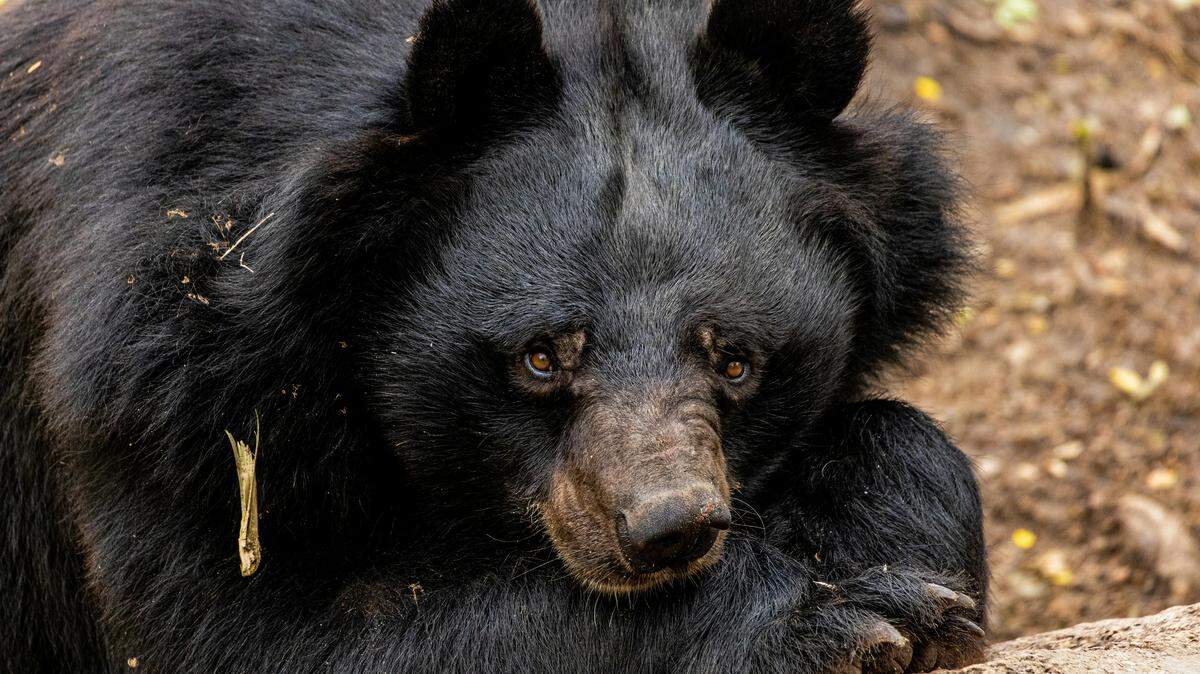
Spring is here, camping season is ramping up, and Georgia’s black bears are emerging from hibernation hungry and ready to roam.
According to the World Population Review, Georgia is home to an estimated 4,100 to 5,100 black bears, and as they shake off winter and start searching for food, your chances of a campsite encounter go up.
GA bears in spring
Coming out of hibernation, bears are lean, hungry and actively rebuilding their body weight after months without food. The Georgia Department of Natural Resources’ experts warn this makes them more motivated to investigate anything that smells like food, including your campsite.
Be aware:
- Bears emerging in spring are searching aggressively for early food sources like berries, insects, carrion and whatever humans leave out.
- They’re more likely to range into campgrounds and trailheads as natural food supplies are still limited.
- Mother bears with cubs born over winter are also newly mobile and more defensive.
What to do if you encounter a bear
Most bears are shy and avoid humans, but a bear that is searching for food around campsites can become bold or even dangerous.
- Stay calm. Don’t run or panic; chances are, the bear noticed you first.
- Stand your ground. Make yourself look large. Wave your arms, speak in a firm voice.
- Do NOT approach. Never try to get closer for photos or to scare it away.
- Slowly back away. Move away while facing the bear and keeping it in sight.
If the bear approaches you
If a bear feels nervous, it will clack its teeth together, moan, blow, huff, stomp the ground or possibly stand on its hind legs to get a better look.
Protective strategies:
- Make noise. Clap, yell or bang pots to let the bear know you’re not prey.
- Stay in groups. If you’re with others, stick together to look intimidating.
- Do NOT drop your backpack or food. These items protect you and discourage the bear from seeing humans as easy sources of food.
If the bear is angry
When a bear is particularly agitated or fearful, they may bluff charge, meaning they run toward you and then stop before reaching you. These are precursors to more aggressive behavior. But if it escalates, take action.
- Stand your ground, even during bluff charges. They mostly want to scare you.
- Use bear spray, if you have it.
- If attacked, fight back using any available object. Throw rocks, sticks or use your fists and aim for the face and muzzle.
- Never play dead. Bears often retreat if they believe their prey isn’t an easy target.
Be proactive while outdoors
Bears learn quickly, and Bearwise cautions, “Allowing them to find anything that smells or tastes like food teaches bears to approach homes and people looking for more.”
Keep your campsite safe:
- Store food in bear-proof containers or hang it at least 10 feet off the ground and 4 feet from tree trunks.
- Never keep food, toiletries or trash in your tent.
- Clean up immediately after cooking. Dispose of scraps in sealed trash bins.
- Maintain a clean camp: Bears have an incredible sense of smell — anything, such as gum wrappers or toothpaste, can attract them.
Georgia’s bears aren’t out to cause trouble. But with more people and wildlife crossing paths as the seasons change, a little preparation goes a long way.
For updated information, practical tips and sighting reports, the Georgia DNR suggests reading the Bearwise Basics for Home and Outdoors.
Do you have any bear stories with happy endings? Email me at srose@ledger-enquirer.com or find me on social media.
This story was originally published April 10, 2026 at 6:00 AM.