La Nina’s effect: Georgia can expect warmer temps and increased storm activity through winter
The effects of weather occurrences El Niño and La Niña are here, it looks like we’re in for an unseasonably warm winter with far less rain than we usually have.
While the El Niño phenomenon is mostly known for affecting the West Coast, where the Pacific Ocean has the biggest influence on weather systems, this new cycle has echoing repercussions across the whole United States.
What is El Niño and La Niña exactly?
The El Niño pattern of weather results in warmer ocean temperatures while its counterpart, La Niña, produces colder ocean temperatures.
El Niño and La Niña are opposite phases of a naturally occurring climate pattern collectively known as the El Niño-Southern Oscillation (ENSO). This occurs in cycles every three to seven years, but this cycle has been the most record-setting in recent years.
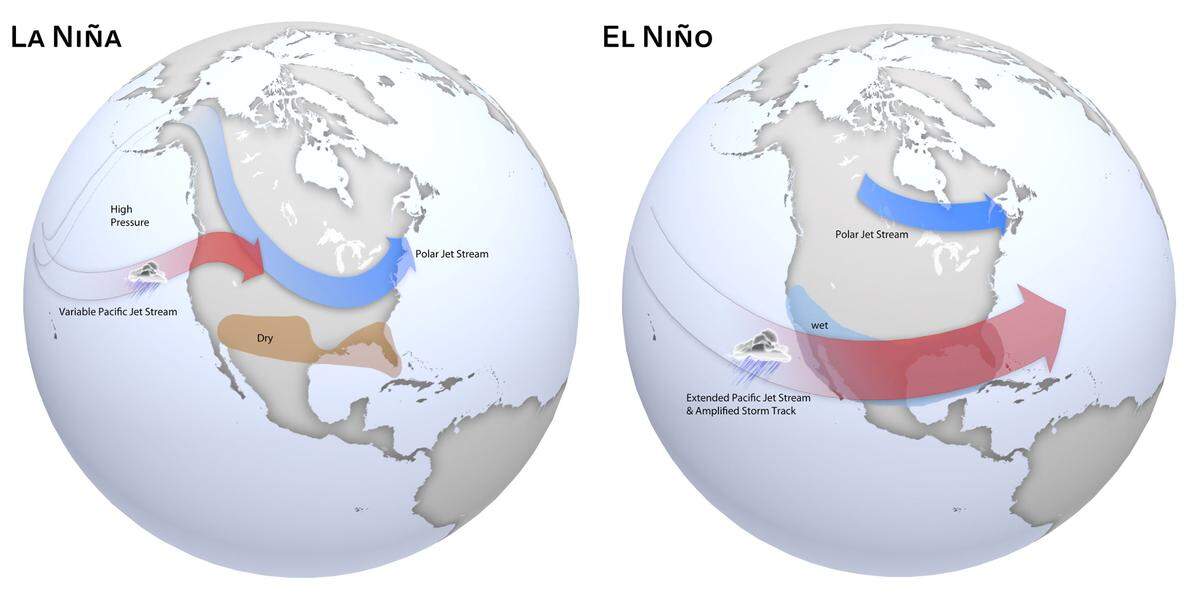
Weather changes, thanks to El Niño
The El Niño leg of the pattern began to develop in late October and will continue to affect weather conditions until well into the new year.
According to Vox climate coverage, the outgoing El Niño event has been among the strongest the Earth has ever experienced. It has fueled “wildfires, droughts, and floods in South America. It bent the jet stream, trapping heat over the southern United States last summer, and ended the year with the warmest winter on record for much of the country.”
Welcome to Georgia, La Niña
While many climate enthusiasts are more familiar with El Nino, we have to make room for its counterpart, La Niña this year. Weather experts predict the colder waters in the Pacific could ultimately lead to drought conditions in the southern U.S. and a warmer, drier winter in Georgia, Alabama and South Carolina.
One of the more pressing issues, experts warn, is the threat of a more severe hurricane season. Hurricanes are a result of two main factors: water temperature and air stability — and La Niña affects both.
Ocean temperatures were higher than normal this year, which produced ominous results for the American hurricane season. Weather experts predicted a particularly tumultuous hurricane season, and as we saw with Hurricane Helene, these predictions came to fruition.
Prepping for La Niña
Brace for dry conditions by embracing water conservation, planting drought-tolerant plants and following burn local protocols.
Inspect your current HVAC system; you may need it well into the Christmas season.
Get your storm preparedness kits in check. Review emergency plans; buy batteries; keep some fresh water on hand.
Make plans for your animals to have plenty of fresh water and safe shelter during severe weather.
This story was originally published May 3, 2024 at 1:41 PM.