
LaGrange professor takes you first-hand to the Democratic debate in Atlanta
As a 10-year-old, I remember President Jimmy Carter hammering ex-California Gov. Ronald Reagan in the only debate that year, and the folksy Republican replying “There you go again.” I may not have understood many issues, but I knew my folks were worried about inflation, and kids were unnerved by the Cold War, and concerned for our hostages in Iran.
Nearly 40 years later, I was in Atlanta, covering the Democratic Party debate at Tyler Perry Studios in a sound stage packed with reporters and broadcasters. I was clearly not like the others. How would the media cover the event? And would the candidates, and the reporters, stay with the issues, or would they cover something else.
My American government textbook author wrote that the media isn’t so much evil as it its members tend to be focused on something else. They are interested in campaign strategy, the “horse race” mentality of the polls, caring more about who is up or down, zingers, divisiveness and the politics of it all, as opposed to many of the pocketbook issues that most Americans are interested in. Which type would win out?
I hate to say it, but I think the MSNBC moderators leaned toward the politics issue, emphasizing the impeachment, personal attacks by one member of the party against another, candidate experience, the tone of a candidate on social media. They did get better as the night went on, but I feel that even when an issue was brought it up, it was about stirring up a candidate battle.
The candidates generally kept to the issues, if asked an issue question. If given a “red meat” question, they kept it going, rather than pivot to concerns people have of what the government will do, or won’t do. Sometimes, the candidate insists they will do something about an issue, like the environment, without providing what that change would be, or hyping the threat of an issue, without listing the solution. Andrew Yang was a notable exception, with his emphasis on A.I., technology, and jobs of the future. A friend at a nearby tavern told Yang got the loudest applause as a result.
But when it comes to the reporters, editors, and the folks on the ground here in the media center, it’s not all about polls, buzz words, and gotcha. Sure some are obsessed with that, but I saw a different side of most of the journalists here. The issue that got the most attention here in the sound stage was the Family Leave Act. I spoke with an MSNBC special contributor about issues that he wanted to see covered, ranging from abortion, the environment, and police-public issues. Another said he wanted more details about health care coverage, and not just costs. I was lucky enough to interview DNC Chair Thomas Perez about electoral security and education affordability.
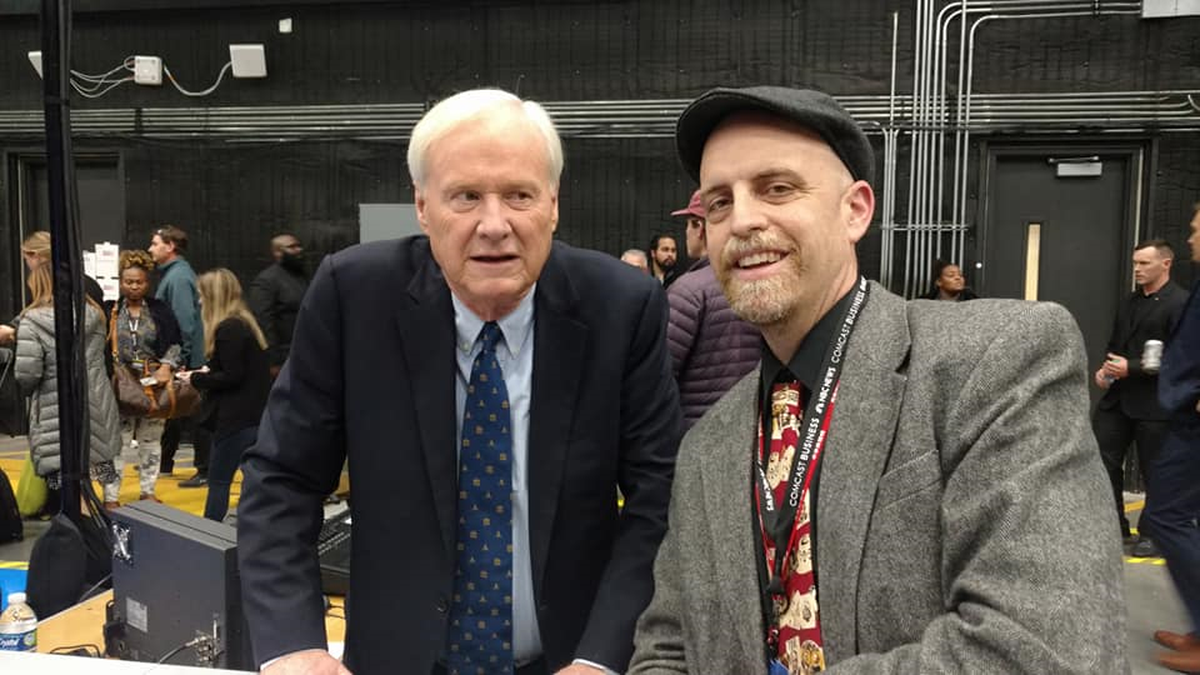
I’m sure some readers are outraged that a professor would be attending a Democratic Party debate. Well, I haven’t brought my students here (though I wish I could). But I have also arranged a Skype session with Sen. Johnny Isakson, who will answer our student questions. And you’ll be pleased to know that when our college students pepper politicians, it’s done politely, and generally focuses on policy. It bodes well for the future these graduates will share the same importance in focusing on substance more than strategy and sniping as you the readers do.
John A. Tures is a professor of political science at LaGrange College in LaGrange. He can be reached at jtures@lagrange.edu. His Twitter account is JohnTures2.