Can you go to jail for not evacuating during mandatory orders? What GA law says
READ MORE
Hurricane Milton
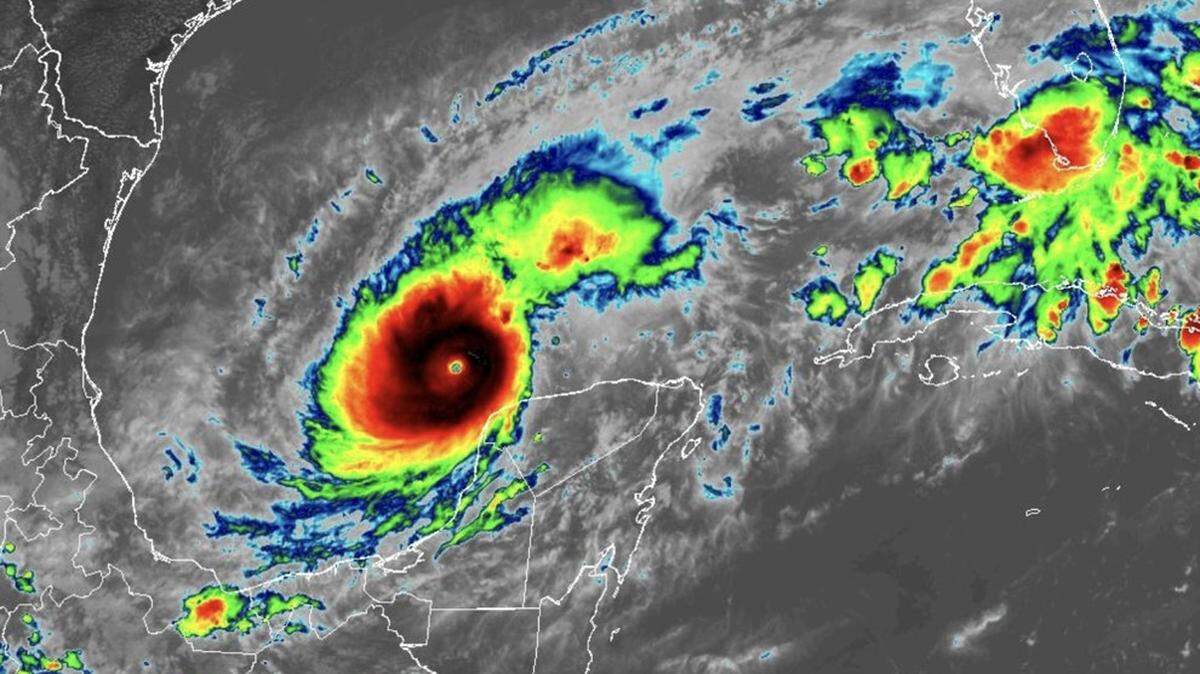
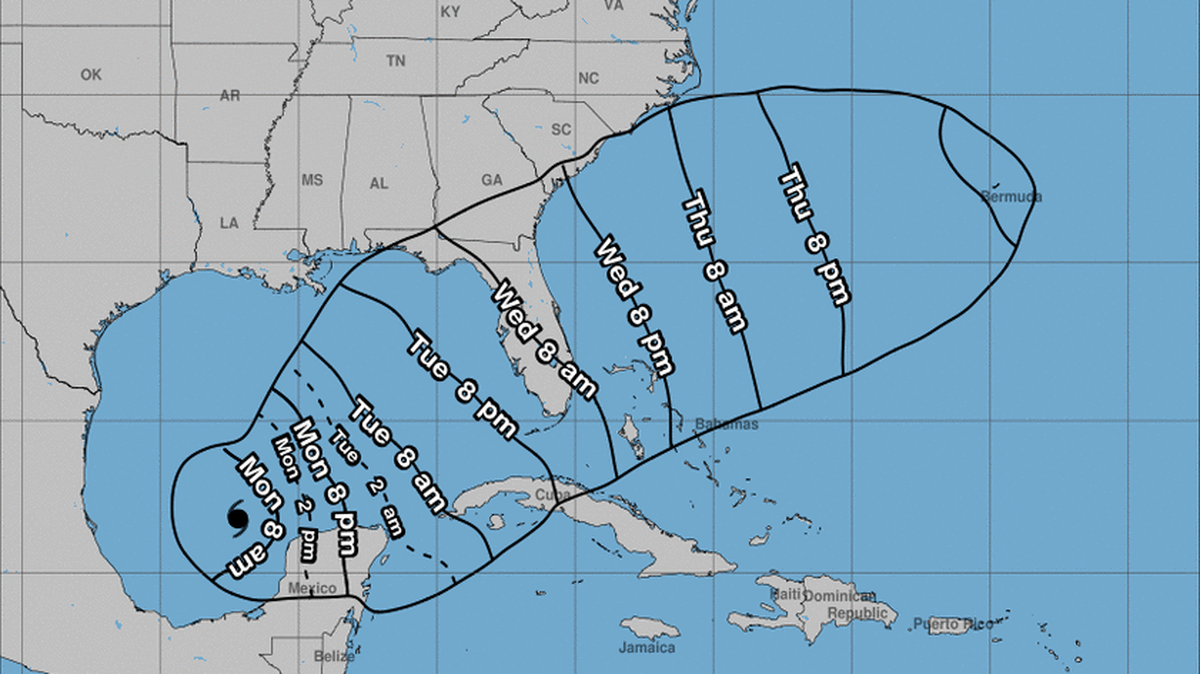
Hurricane Milton is headed toward Florida as a category 4 hurricane, with some experts are calling it “an extremely dangerous threat.” Georgia’s conditions are expected to be the worst Wednesday and Thursday.
Expand All
According to the National Hurricane Center, there’s a “risk of life-threatening impacts” with Hurricane Milton coming and mandatory evacuation orders are already in place for much of the Tampa Bay area in Florida.
However, what happens if residents stay put and don’t evacuate during mandatory orders? Here’s what the law says.
Are there consequences for not obeying mandatory evacuation orders?
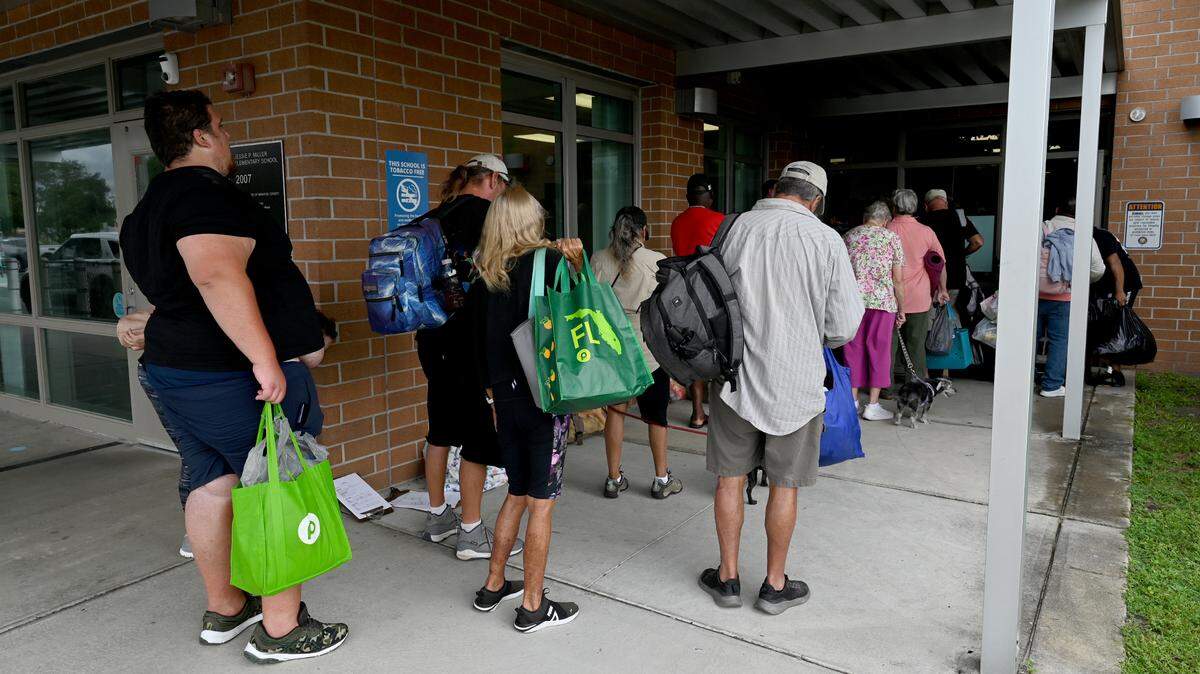
Residents may choose to stay put during mandatory evacuation orders because of several reasons. Some of which include: not having the financial means to leave, having a medical condition or because of not wanting to leave home, possessions or pets behind.
However, there can be serious consequences for not leaving.
“A mandatory evacuation during a hurricane is an order that requires residents to leave. Ignoring this order can have legal implications and put lives at risk,” said Bill LaGram with Main Street America Insurance. “The goal of the order is to safeguard you, your family and our first responders.”
Other than the huge risk of safety, there could also be legal consequences for staying put during mandatory evacuation orders.
Currently in Georgia, although it is rarely enforced, police can charge you with a misdemeanor if you fail to leave a dangerous area. But overall, law enforcement can’t force you to leave your home.
Here’s what other state laws say on the matter:
In Florida, statute 252.50 says anyone who fails to obey an emergency order could be guilty of a misdemeanor of the second degree.
In other states like California, residents who don’t listen to evacuation orders could face fines up to $1,000 or jail time for up to six months.
In Louisiana, a person can stay in their home during emergency orders, but law enforcement makes it clear to residents that they are risking not being rescued if help is needed.
In North Carolina and Texas, there are laws in place for the liability and cost of rescue if residents don’t obey orders.
In coastal Virginia, citizens refusing to evacuate are often given pens and instructed to write their social security numbers on themselves so that their remains can be identified.
In Connecticut, holdouts are asked to sign waivers exempting them from rescue—and to provide the state with information on next of kin.
If you’re in an evacuation zone and need tips to prepare, here’s what to know:
Tips for preparing for evacuation
If you have a disability or special needs and need help evacuating, you should register with your local emergency management agency or statewide special needs registry to receive assistance during a disaster.
Here are more tips for people trying to evacuate:
Grab the following before you leave:
Food and water for several days
Medical supplies and prescriptions
Important documents in waterproof containers
Cash and credit cards
Cell phone and charger
Clothing and hygiene items
Pet supplies
Also do the following:
Know your evacuation routes
Keep your gas tank at least half-full at all times
Know where to meet up if you get separated
Pick an out-of-state contact and get in touch
Make a plan for your pet(s)
Have more questions? Let me know in the comments or at cmadden@mcclatchy.com
This story was originally published October 8, 2024 at 11:54 AM with the headline "Can you go to jail for not evacuating during mandatory orders? What GA law says."