‘Real shopping experience.’ New food pantry in Columbus has grocery store concept
Feeding the Valley Food Bank opened its new cost-free food pantry called the Neighbor Market during a ceremony Tuesday in Columbus.
Neighbor Market is designed for working families struggling to make ends meet, Feeding the Valley president and CEO Frank Sheppard told the Ledger-Enquirer.
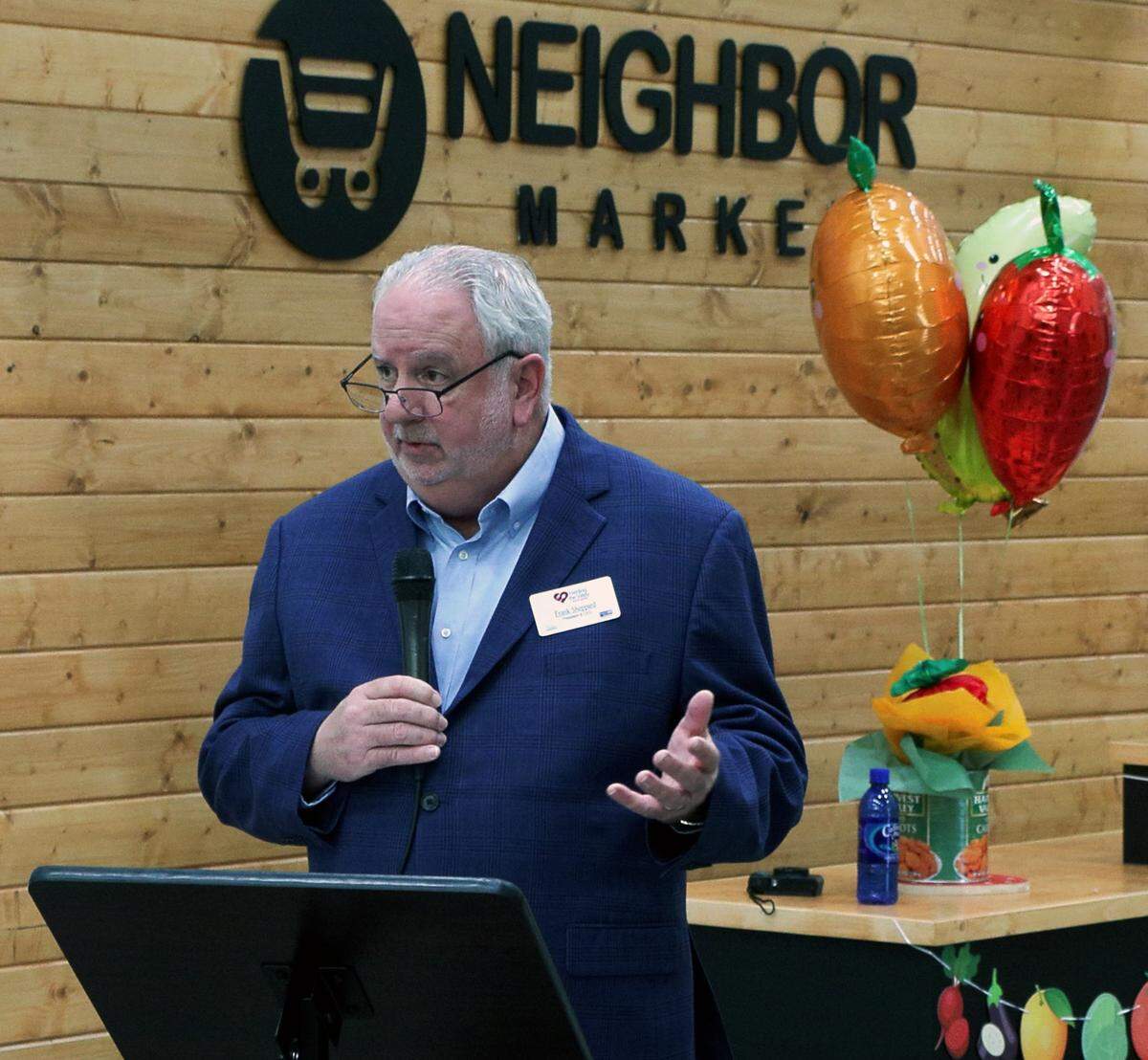
Families who will use this market are not able to visit the organization’s food distributions or go to another partner agency during working hours, he said. Neighbor Market gives these families another option, Sheppard said.
“This is set up as a client choice model,” he said. “So, that means they make an appointment, they come in, and they get to shop for the actual items they want — as opposed to a generic box of food we give at our distribution sites.”
This allows these individuals to meet the dietary needs for their family, Sheppard said.

Neighbor Market is inside the Feeding the Valley location at 6744 Flat Rock Road in the Midland part of Muscogee County.
Phenix City Mayor Eddie Lowe spoke during the ribbon-cutting ceremony, saying he hopes the Chattahoochee Valley community continues to have “true humility.”
“It’s not that you think less of yourself,” Lowe said. “It’s that you think of yourself less. And what we’re doing, we’re not thinking of ourselves because we are truly thinking of others to be able to have an opportunity to get a basic need. I am proud to be part of this community.”
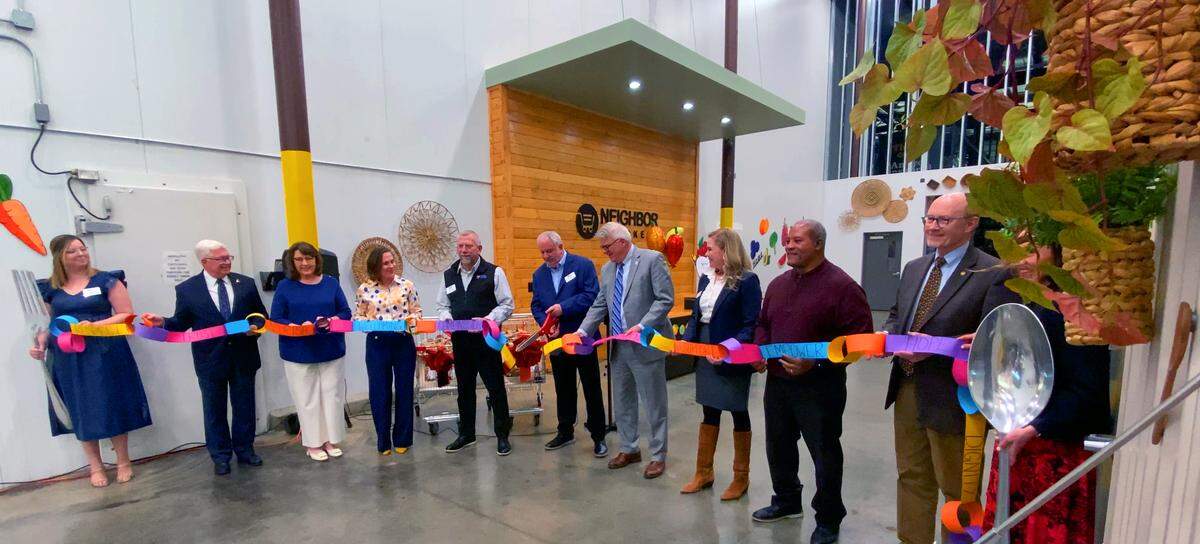
Inside Neighbor Market
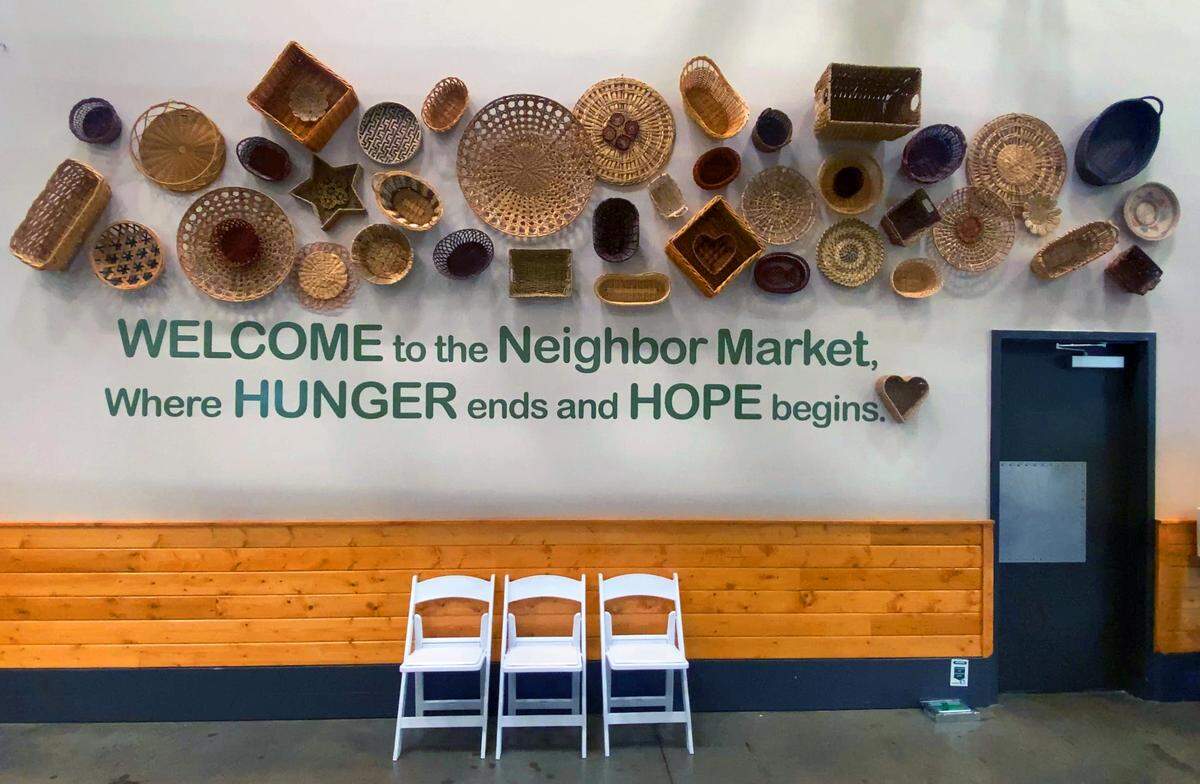
Visitors to the market walk past a mural on the outer walls of the building and into what looks like a typical grocery store but with green feature walls, wooden decor and artwork submitted by students across the region.
“That is really by design,” Sheppard said. “It is to maintain dignity, to reduce the stigma and to allow that real shopping experience.”
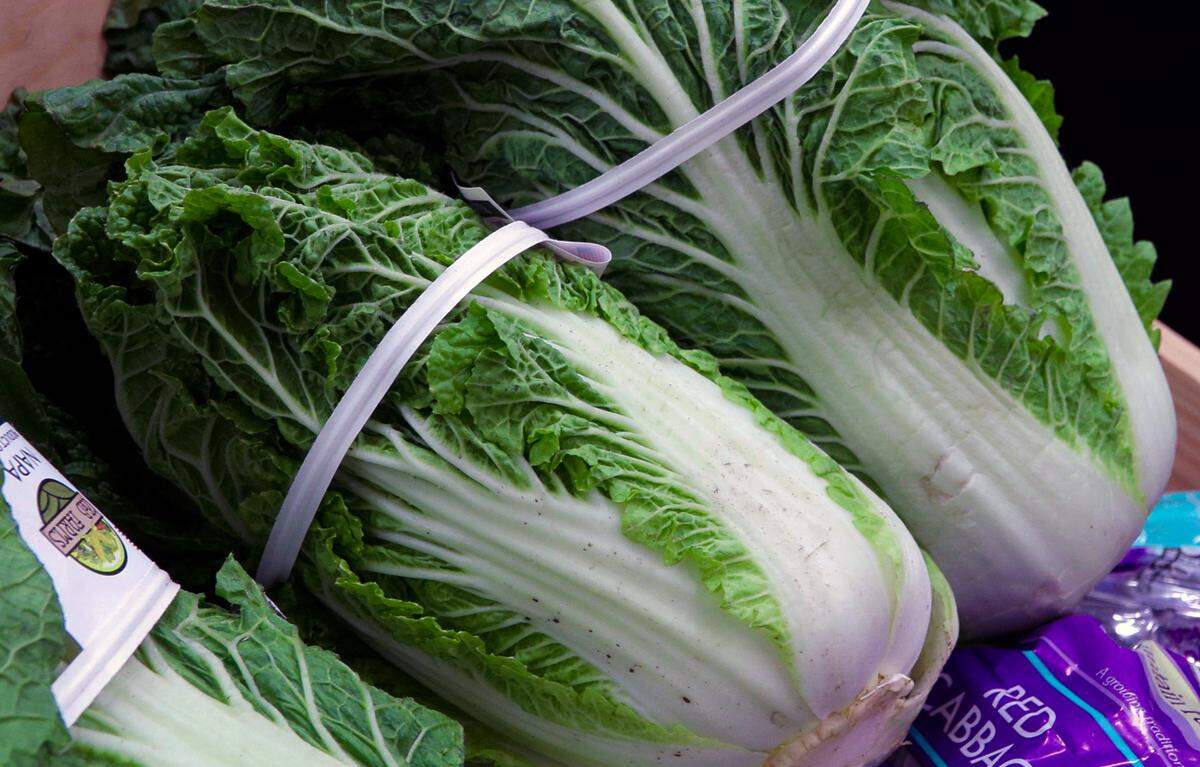
The freezers and refrigerators are similar to what could be found in grocery stores, along with the line of shelves and baskets with pantry items and fresh produce. Different areas of the store have signs like a traditional grocery store.
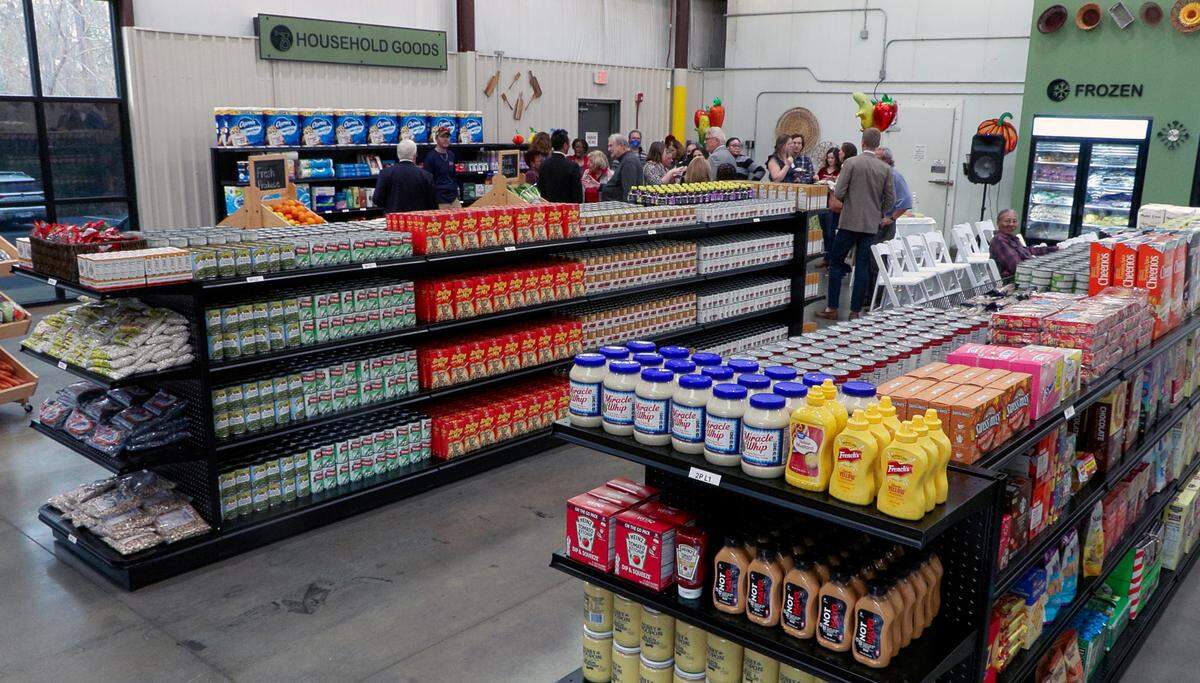
The household section has items such as toilet paper, feminine hygiene products, shampoo and soap.
Neighbor Market clients receive points to shop with based on their family size and age. A family of four gets around 400 points, Sheppard said.
Shoppers select items and budget using their points. On the shelves, labels indicate how many points certain items cost and the maximum number of each item that clients can take. For example, a box of cereal might cost three points with a limit of one per shopper.
“It’s designed to get more food in the hands of people who need it,” Sheppard said.
Shoppers can visit the Neighbor Market every two months, Sheppard said during his speech before the ribbon cutting.
“That way, we get to introduce this market to a lot of people over that time,” he said.
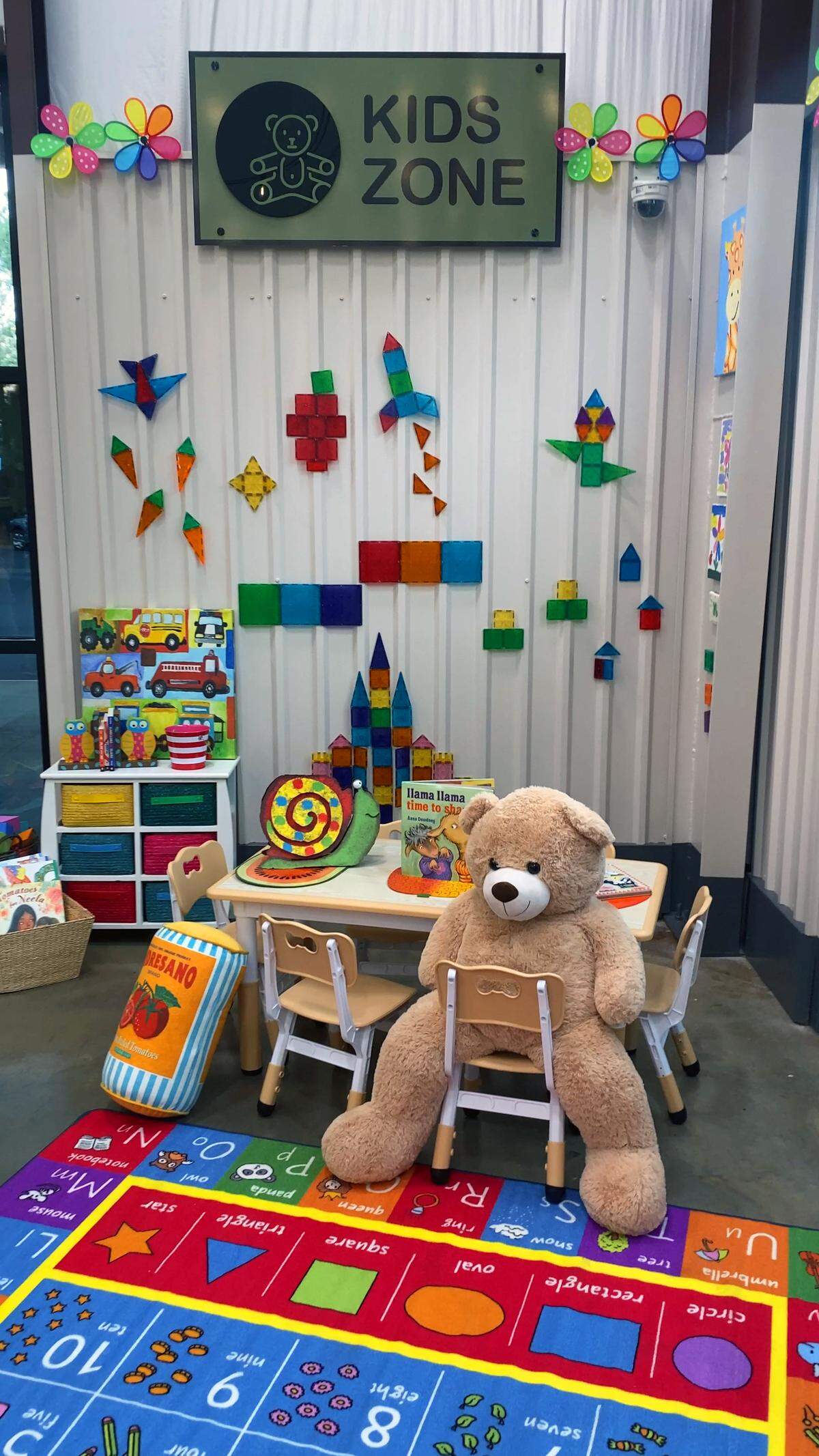
The market also has a resource center with literature from other community nonprofits, so people with other needs can learn about additional resources available to them.
“(Neighbor Market) closes gaps in service,” Sheppard said. “It removes barriers and meets people where they are.”
Need for Feeding the Valley remains high
Feeding the Valley saw demand for their services spike during the COVID-19 pandemic, Sheppard said.
“While it dipped down a little bit here and there, it’s continued to surge with other events like rapid inflation and government shutdowns,” he said. “Things of that sort all affect individuals and their ability to meet basic needs and cover the expenses of their families.”
During the government shutdown in 2025, Sheppard told the Ledger-Enquirer the food bank’s inventory had less than a month’s supply of food because support that usually came from the federal government was not distributed. But the food bank’s demand increased about 15% to 20% during that time.
“We have over 115,000 food-insecure people in our coverage area,” Sheppard said. “So, we need to continue to search for new and innovative ways to get food in their hands.”
In Georgia, one in seven residents are facing food insecurity, Julie Kuykendall, executive director of Feeding Georgia said during the ribbon cutting. One in five children in Georgia is facing food insecurity, she said.
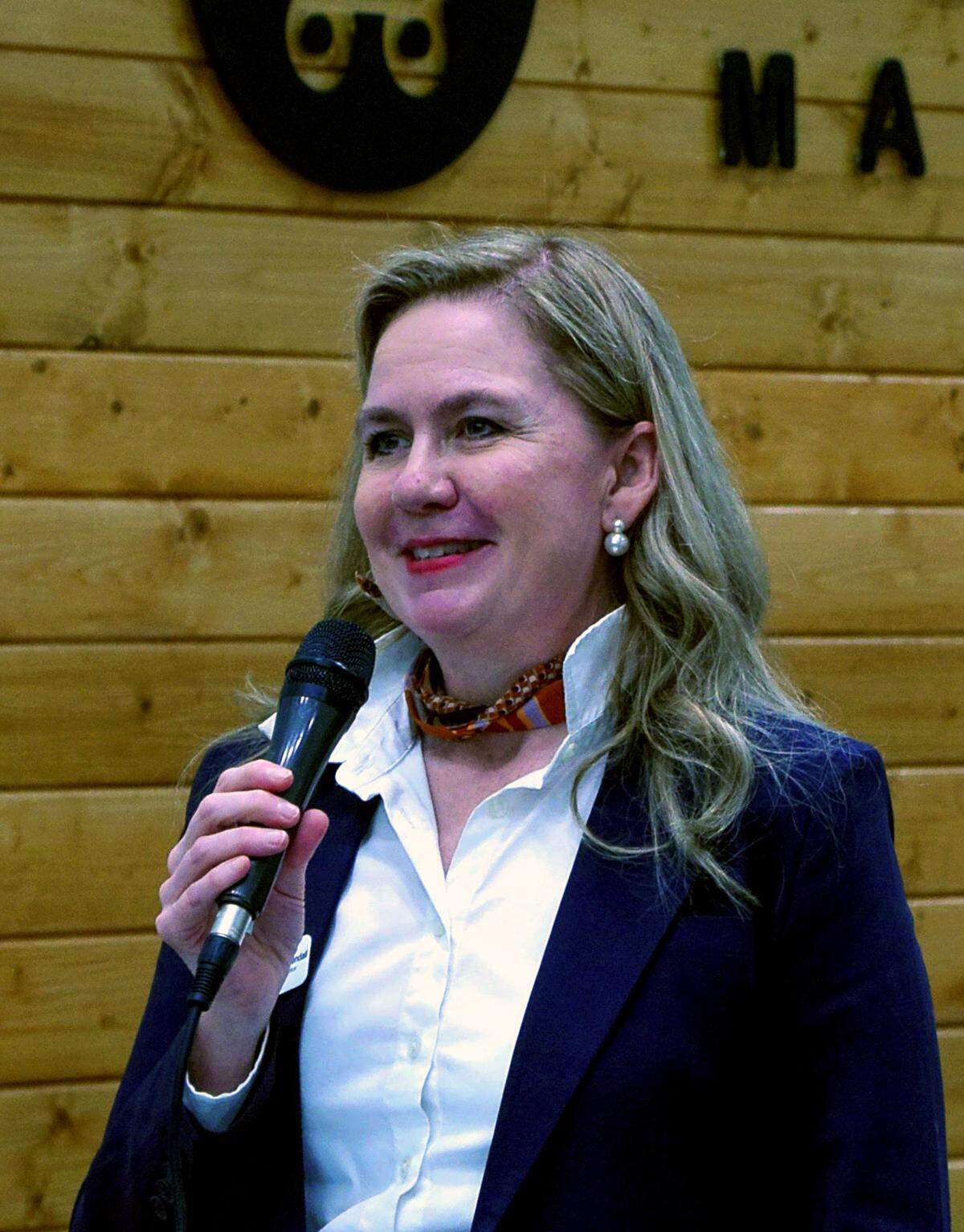
“I know that’s hard for us to imagine sometimes as we sit here and go about our daily lives and stay busy as we do,” Kuykendall said. “But every single day, out there, there are folks who are struggling to meals on the table. The way we change that is through exactly what we are doing together here today.”
Sheppard plans to expand the food bank’s mobile market produce truck, which takes fresh produce directly into neighborhoods.
“We’re about to have another one of those,” he said. “So, they’ll double that capacity.”
He also wants to increase Feeding the Valley’s home delivery capabilities.
“Many food banks are managing ways to work with rideshare services or parties like DoorDash or Uber Eats,” Sheppard said. “Transportation is often a barrier, so that’s certainly one of the ways that we’re looking to be able to go into the future.”