
‘Fake food pics’ and ‘one-person shops’ — Columbus foodies argue about AI ads
A Columbus Foodies Facebook thread about restaurant advertising has widened into a community argument about trust, authenticity and how much Chattahoochee Valley businesses should use artificial intelligence.
It began with a March 24 post from a resident frustrated by what they described as a steady stream of AI-generated restaurant flyers in their feed.
“Can I say something that’s been bugging me? Restaurants need to stop using AI-generated flyers,” wrote the resident, posting anonymously as GoldAsparagus7286. “If you won’t even use actual pictures of your food, how can you trust it? Not to mention they all look the same. I’d rather see a poorly made poster done by hand than whatever slop chatGPT spits out.”
Some commenters agreed, asserting that AI food images feel misleading and impersonal.
In a comment under the post, Columbus resident Tim Ainley said if local businesses are passionate about their craft, they shouldn’t use AI advertising.
“I better not see a single AI picture of food on your advertisement,” Ainley wrote. “Absolutely not. Where else are you cutting corners then? In the way you store food? Maybe how you clean your area?”
Alycia Smith, another resident, said she worries AI visuals could cross into deception.
“I don’t understand how it doesn’t fall under false advertising,” she wrote. “I always eat with my eyes first, so if I ordered something because of a photo & it came out looking completely different, I’m gonna be upset.”
Columbus restaurant owners and managers respond
Restaurant owners and managers also joined in the discussion, describing and defending AI as a time-saver for understaffed operations trying to keep up with constant promotion.
In response to an anonymous commenter asking restaurants to stop using AI and to show what “the actual food looks like,” the owner of La’ Sammich, at 4820 Armour Road, wrote, “I really appreciate your feedback. I want to be clear—I’m a one-person operation. I’m the owner, manager, and cook, so any tool that helps me streamline my workload, like AI, is essential. I will keep improving with real photos, but I won’t stop using these tools. Thanks for understanding!”
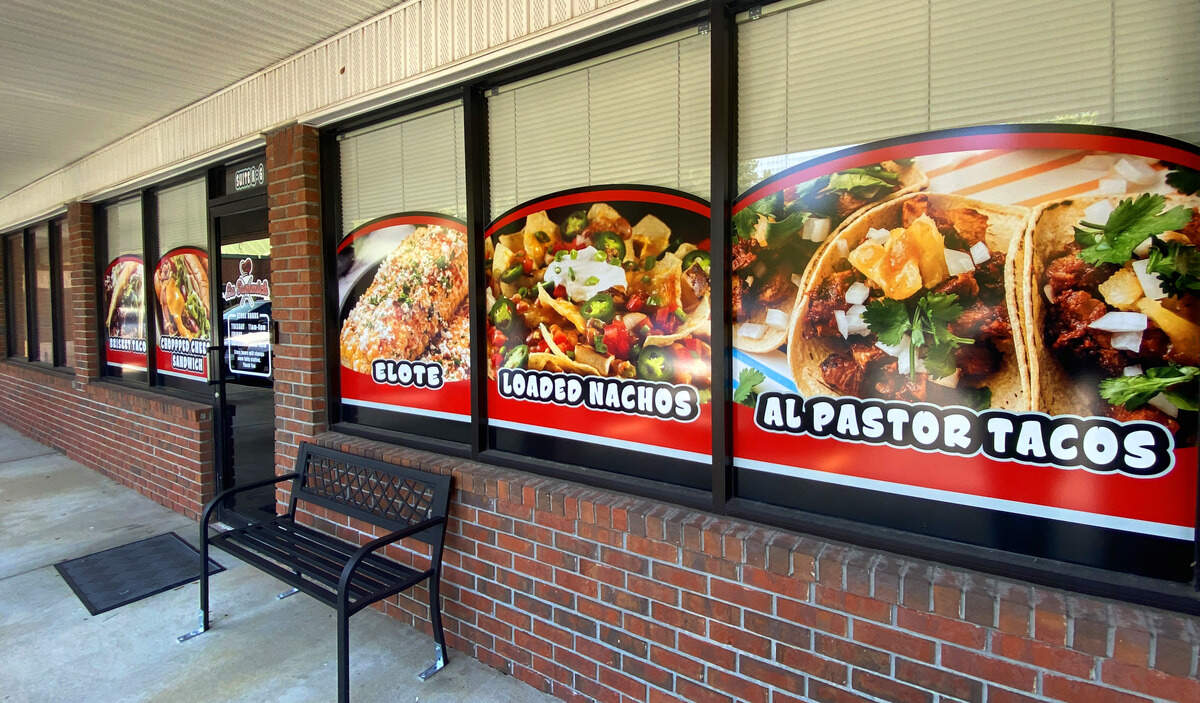
The owner doubled down in a follow-up comment, writing, “And I stand on what I said. Sorry. I’ll take the hit for that. Can’t please everyone.”
Other businesses took a different stance.
The owner of Da Funnel Cake Factory, at 1128 Fort Benning Road, said they had used AI because it was “very convenient and helpful” as a growing business but stopped using AI and hired a social media manager.
“It cost me more, but I can’t [use AI] in good faith after finding out what it cost others to keep using it as much,” the owner wrote. “I might ask it a question every now and then but not create images. But understand it took me coming across that information well after I started using it.”
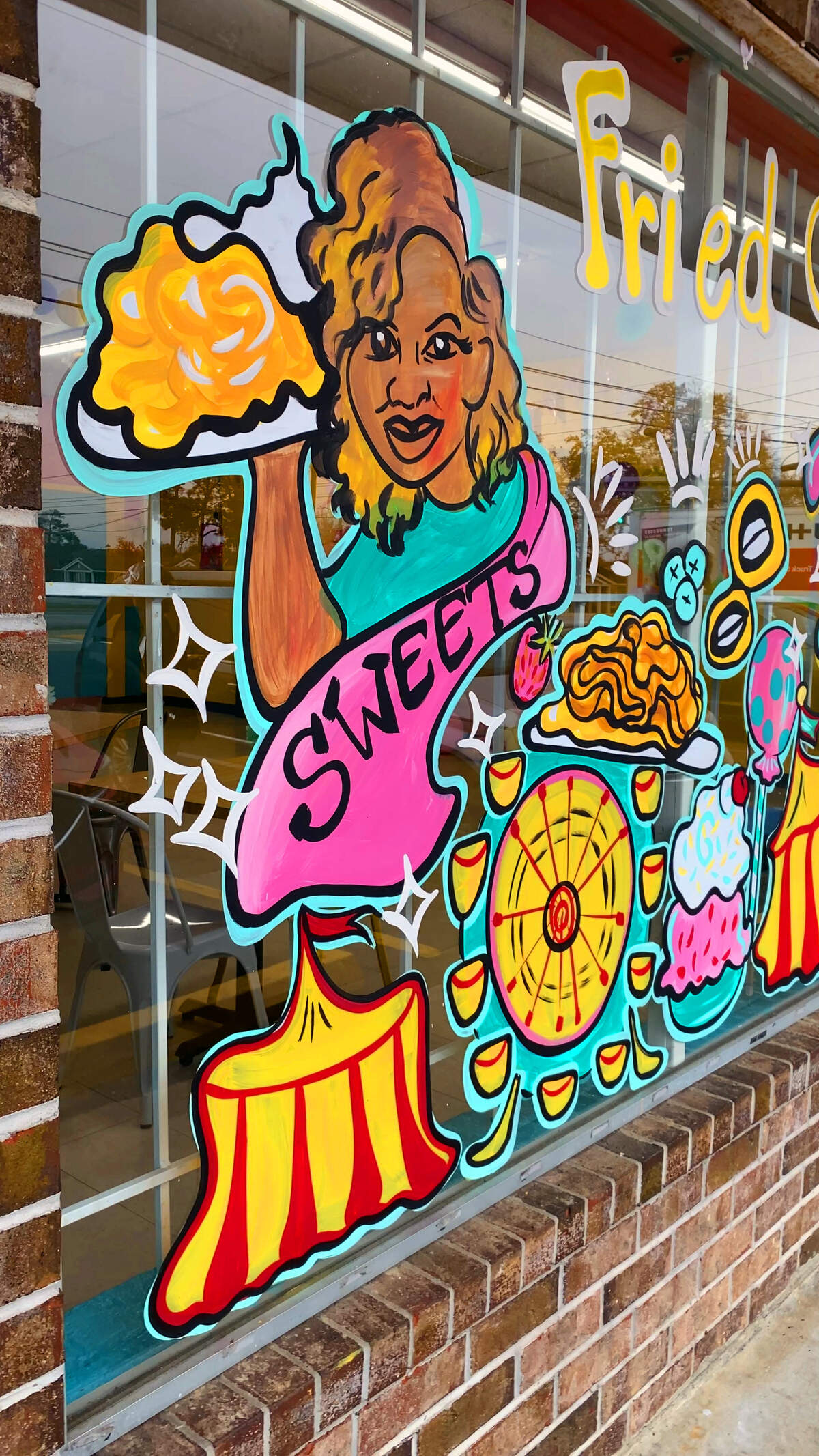
The owner also urged residents to give other restaurant owners “more grace.”
“We are all doing the best we can with what we have to serve the community we live in,” the owner wrote.
The owners of Hudson’s at Main Street, 6298 Veterans Parkway, posted to the thread an example of their AI-generated ads: a photo of chicken dressed as robbers, passing each other plastic bags filled with mini-waffles.
“If you could create this for us, we’d be happy to use you instead,” their comment says. “I couldn’t figure out how to make crime chickens in Canva. All of our food pics are ours though.”
As the thread grew, the original poster returned with a broader call to action, tying the debate to the controversy about the Columbus’ proposed data center, Project Ruby.
“Start calling out businesses and encouraging them to stop using generative AI to run or promote their business,” the commenter wrote. “Don’t shop at places that use AI. A ‘poorly made’ flyer from Canva has more soul and humanity than any ChatGPT-produced flyer ever could. Take a stand and help our town take its humanity back!”
The owners of Da Funnel Cake Factory, Hudson’s at Main Street, and La’ Sammich did not respond to the Ledger-Enquirer’s request for comment before publication.