
Meet four Columbus women trying to fight against deadly violence before it begins
When her son got a night job at a Columbus Circle K, so he could go to school during the day, Tanya Weaver knew his fate.
“If you wanted me to be honest with you, when my son told me that he took this job, I already knew what was going to happen. I knew it. It was in my spirit. It was in my every night thinking. I knew it,” she said.
A masked robber shot her son, Dontrell Williams, in the head on Sept. 23, 2019, though Williams complied with all the killer’s orders. Police charged a suspect, Daequavian Trevell Soloman, 25, the following November.
Standing outside the Circle K on what would have been Williams’ 28th birthday, when friends and families gathered for a memorial balloon release, Weaver held back tears.
“I hope from here we can try and help someone else that’s going through the same thing,” she said. “That’s what I hope.”
Many families have gone through the same thing, since her son died: Columbus had 46 homicides in 2020, a record year. The pace of killings has not slackened, with the city reporting 30 as of Tuesday.
By the middle of May last year, Columbus had recorded half that many.
Every time Weaver hears of another violent death, she imagines another mother’s grief.
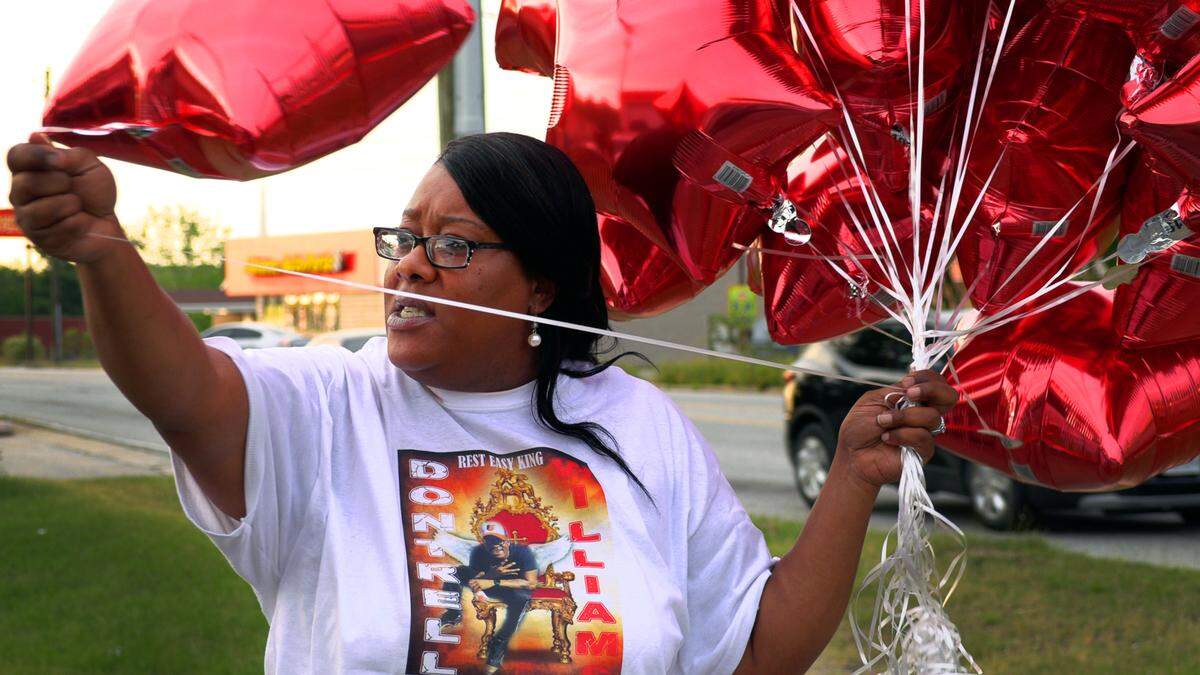
The convenience store where Williams died is busy, on the corner where Forrest Road crosses Floyd Road. As cars streamed past April 27, several pulled off, as more friends joined Weaver by a power pole on the right of way, where a makeshift memorial was set up.
They played a Puff Daddy and Sting remix of “Every Breath You Take” as they released red, heart-shaped balloons that flashed in the sunset under a breaking overcast.
Among those gathered on the corner were Cedric Hill and Reggie Lewis, two of the civic leaders now engaged in bringing the national “Cure Violence” program to Columbus.
That initiative, which has been tested in other cities since it started in a Chicago neighborhood in 2000, is conducting an assessment this month to see if it can help Columbus fight the recent spike in homicides.
With this and other efforts underway, the Ledger-Enquirer spoke with some of those working at the grassroots level to save those most at risk of being pulled into violent crime.
Everybody’s problem
Shameika Averett thought she never again would have anything to do with teen boys, after three traveled 20 miles by bike from south Columbus to the Upatoi area in 2016 to bind, beat and stab to death her mother, brother and 10-year-old daughter.
The instigator was a longtime family friend, but two others followed blindly along, helping rob the home of Nike sneakers, video games, a collection of coins and two vehicles the culprits later abandoned.
“I never really wanted to work with young boys because of what happened to my family…. I was so angry with those kids. I was so angry with the community, for what I felt had been taken from me,” Averett said. “But now that I’ve gotten past it, I’m saying, you know what? It is my problem; it is my issue. What can I do to help?”
She once thought of leaving Columbus, but instead chose to stay, and get involved with others trying to make a difference in teenagers’ lives.
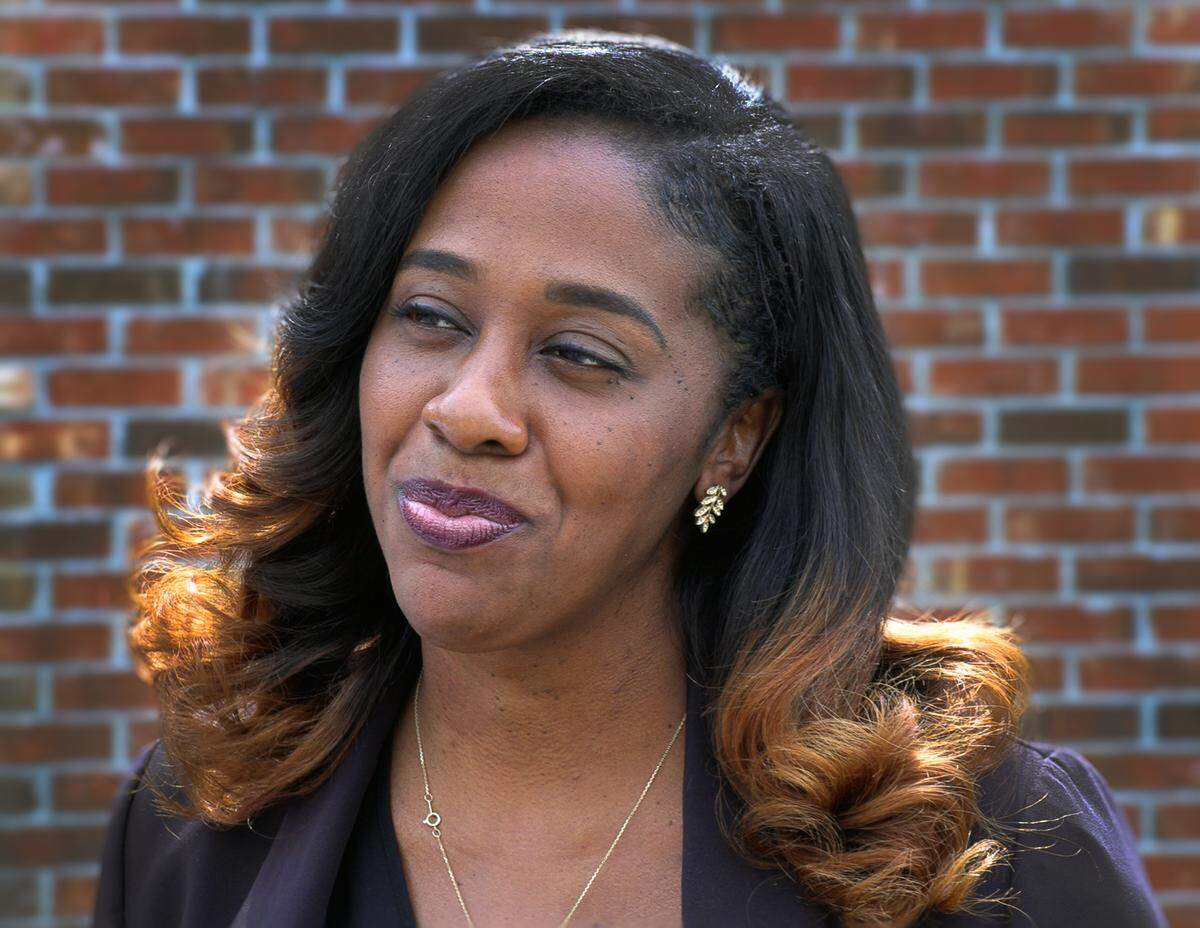
People need to see that violent crime affects the entire city, not just certain neighborhoods, Averett said: “We have to realize it’s pushing into those areas where people say ‘it’s not my problem.’ No, it is your problem.”
It can impede the progress Columbus hopes to make, she said.
“In order for us to sustain our infrastructure, and the businesses that are coming here, we need to clean up,” she said, of the city’s slogan adding, “We can’t say ‘We Do Amazing’ while across the street someone’s getting murdered at the Texas Roadhouse, you know, in gang violence.”
The north Columbus shooting on March 4 took the life of a 20-year-old, gunned down on Northlake Parkway near the restaurant.
Averett was involved in an April 24 “All Boys Youth Summit” with the theme “Being the Change: Lifting as We Climb,” at Canaan Baptist Church. Organizers had around 30 young men come to hear speaker and life coach Derrick Anthony talk about choosing their future, and to meet mentors who can help guide them.
Averett and Columbus Council District 4 representative Toyia Tucker were among those hosting the summit, and so was Shawna Love, a social worker who runs the nonprofit “Boyz 2 Men Development,” which finds mentors for local youths.
The summit promised to “offer guidance, direction, and a brighter outlook on tomorrow for local area youth.”
Had someone offered guidance and direction to the three young men who killed her family, maybe her mother, daughter and brother would be alive now, Averett said:
“I wish there were people who could have been in their lives.”
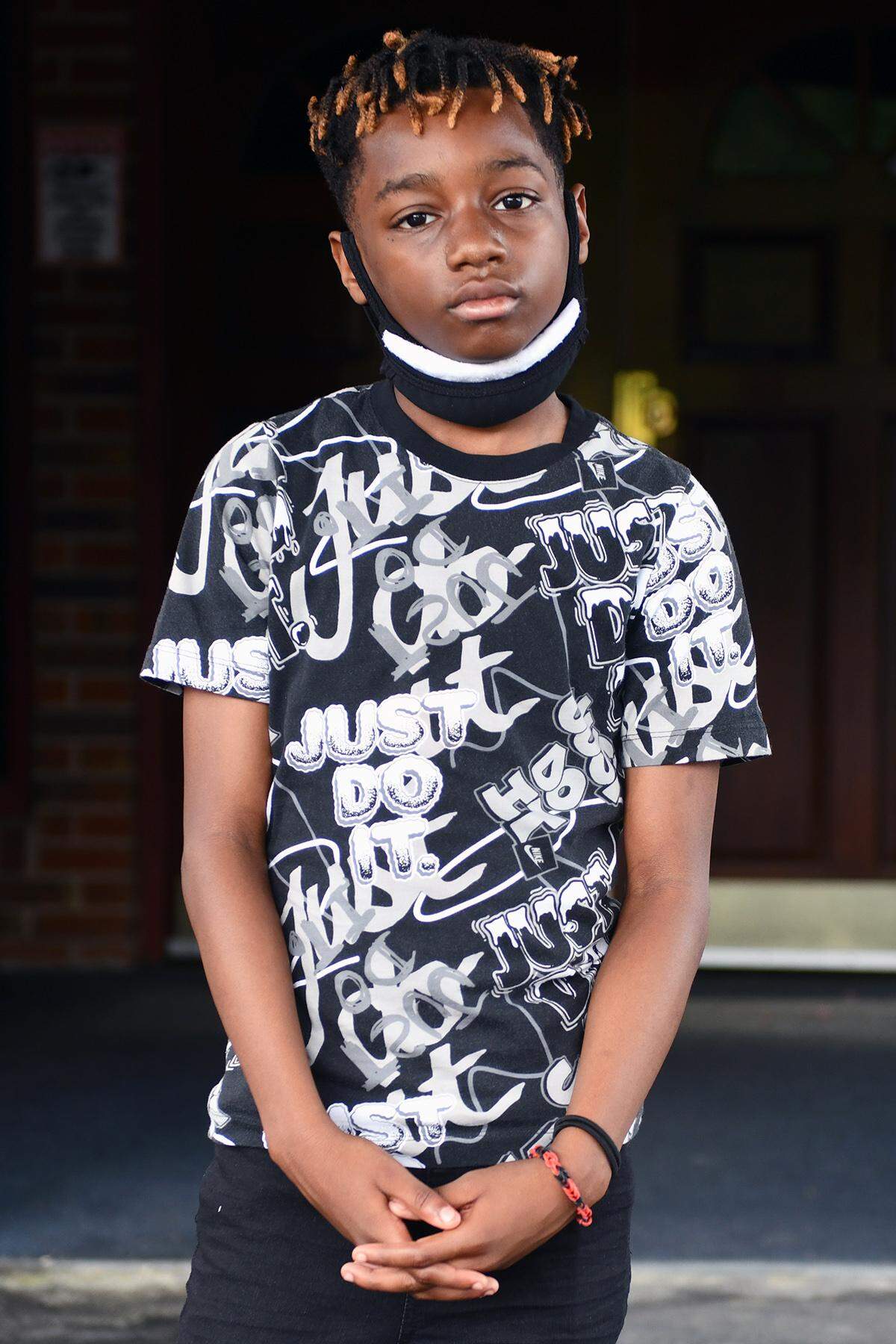
Around noon that Saturday, the boys invited to the youth summit played basketball as they waited for the program to kick off.
Among them was Markel Brown, 13.
Brown said he goes to Fort Middle School, and wants to be a professional athlete or work in finance.
“My brother showed me how to do it, and I like it,” he said of finance. He hoped the summit would connect him with someone older who could advise him.
“I need help on my math, because I’ve been struggling a lot with it,” he said.
Asked what he believes is causing Columbus’ spate of violence, he pointed to gangs and guns.
“I think that kids shouldn’t be able to get guns until they’re a certain age, at least 21, because some kids are not mature enough, they don’t know what they’re doing,” he said.
Some teens feel like they need firearms to defend themselves, he added. “There’s a lot of bad things going on, like kidnappings and stuff like that, so I can understand why they’re using guns, but not for a bad reason.”
Boyz 2 Men
Markel was among those enrolled in the Boyz 2 Men Development initiative Shawna Love started in 2016.
Last August, she added a program called MATCH, for Mentoring, Affirming, Teaching, Counseling and Healing. Aimed at helping boys and girls affected by being out of school during the COVID-19 crisis, as classes went online, it offered teachers to help with homework, counselors to assist with social skills, conflict resolution and anger management, and mentors for guidance.
Love’s nonprofit focuses also on those ages 10 to 17 who’ve experienced homelessness, substance abuse, mental illness, behavioral issues, or run-ins with law enforcement.
It has volunteers from Columbus State University’s “Collegiate 100 Men” to serve as mentors, and counselors to help teens with self esteem or other issues. Love got referrals from the Muscogee County School District, but families had to apply to get their children signed up.
Love said some of the children she works with don’t have secure families, and have suffered trauma they don’t know how to handle.
“A lot of these kids that are in foster care and group homes come from a horrific background,” she said. “They’re going to act out. They’re going to want to fight. There are going to be issues.”
Not every child can stay on course, but the successes outweigh the losses, she said, recalling one youth whose defiant and sullen behavior was resolved through counseling and tutoring.
Love had planned to forego having a summer program, but changed her mind. She recently acquired a van, and can provide transportation for those enrolled.
“I was going to take a break from the summer, however, with all the violence, and what’s going on in the community, I’m like, no, I’m going to keep it going on.”
It will accept 30 males ages 13 to 17, aiming to keep them occupied while school’s out.
Love will need volunteers and mentors, who can reach her through the website www.boys2mendevelopmentga.org. The email is boys2mendevelopment@gmail.com.
She needs people who can identify with the problems kids face today, she said. At least one year of working with young people is required and “empathy for the youth” is an important skill to have, Love said.
She has had boys who were bullied at school, and those who’ve considered suicide.
“A lot of these youths have suicidal ideations,” she said. “If you’re not fearful of leaving this Earth, if you’re OK with a gunshot taking you out, you know something is wrong. You don’t have a zest for life.”
Missing role models
The need for positive role models and other adult guidance, particularly older men who can counsel teen boys, was a recurring issue among those who spoke with the Ledger-Enquirer.
At the April 27 memorial for her son, outside the Forrest Road Circle K, Tanya Weaver put it bluntly, when asked what she felt was behind the recent spike in violence.
“A lack of men in the home, I think,” she said. “These young guys, they just don’t have any direction.... I think it’s a lack of fathers in the home.”
Councilor Toyia Tucker said she believes children today also lack the extended family of friends and neighbors that she knew growing up in Carver Heights.
Tucker, 43, recalled that if she misbehaved on her way home from school, neighbors who witnessed her conduct would report it to her parents immediately, or correct her themselves.
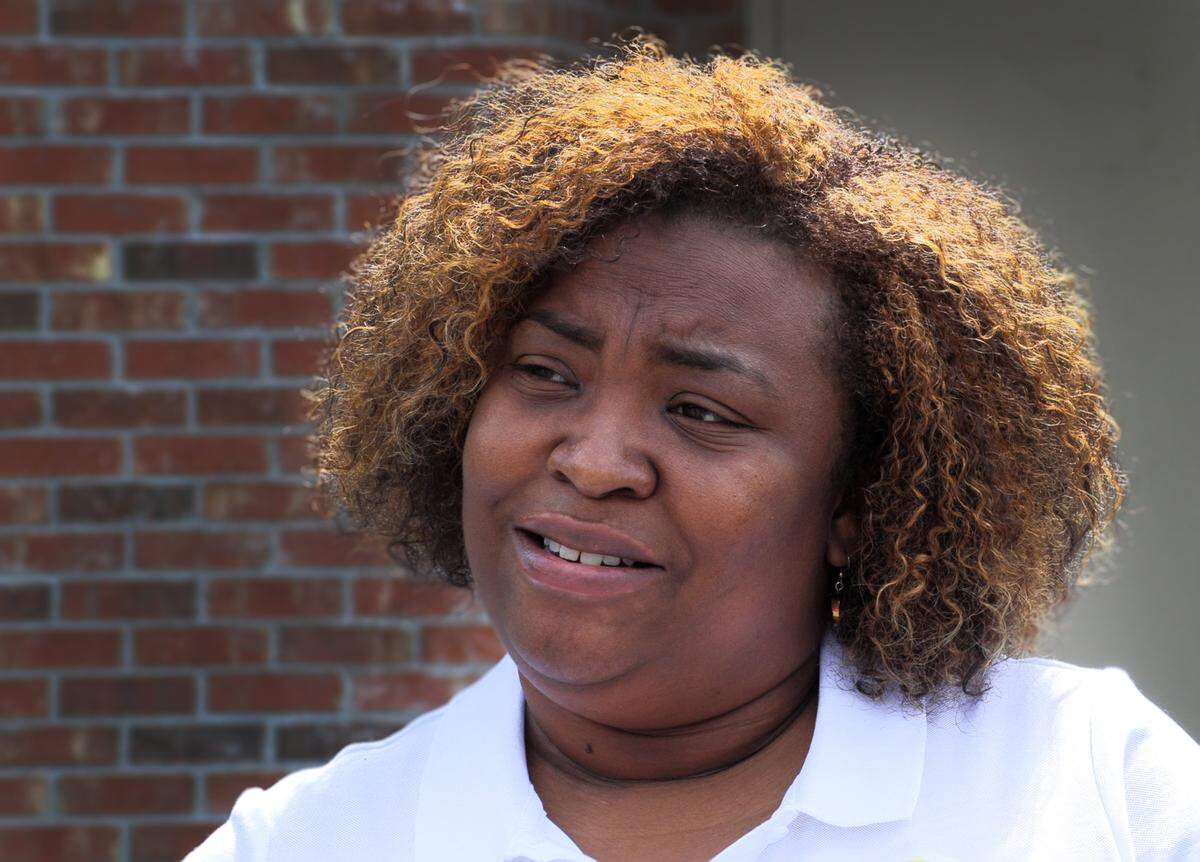
She and Averett, 41, who through One Columbus United often work together on community projects, both remembered having a support system beyond their immediate family.
“That’s what me and Shameika had when we were growing up, we had a village,” Tucker said. “We knew that we could go to somebody and get help.”
They also had neighborhood recreation centers they could walk to, where the staff looked after them. Some of those centers closed as Columbus switched to recreation “supercenters” serving a broader area.
Without mentors and other role models, and a network of caring adults, teens are left to seek other ways to find acceptance, Tucker said: That makes joining a gang seem an appealing alternative.
“It’s for acceptance. It’s for love,” she said. “It’s for feeling like they’re part of a family, because a lot of these people are missing what a true family structure is, meaning a mom and a dad, a support system, people that are going to make sure that you’re fed and you’re clothed and you have a roof over your head.”
When that support system’s missing, other influences may fill the gap: Criminal elements that recruit youngsters with the pitch that they’re too young to go to jail if they’re caught breaking the law, Tucker said.
Standing in the gap
Two weeks ago, Shawna Love threw a pizza party for the teens involved in her MATCH program, as it came to an end along with the school year.
In a vacant lot by a brick building called “The Campus” on Brennan Road, where signs read “Today’s Youth in a Challenging Tomorrow,” therapist-in-training Sherrie Apgar was throwing a football with six boys, Markel Brown among them.
She called it “Feeling Football”: Catch the ball and answer a question.
“It’s basically catch, but then like, give me a coping skill,” she said. “So what a coping skill is, is they identify ways to channel their anger in a positive manner, so they don’t lash out on people or things, for instance like their parents, their brothers or sisters, or their teachers at school, or tear up the house.”
If a boy’s answer was off, she might suggest another. “Let’s try talking to a trusted adult,” she told one teen.
“That’s important,” she said later, “because kids need to learn how to at least trust somebody, in their life, so they can interact with them.”
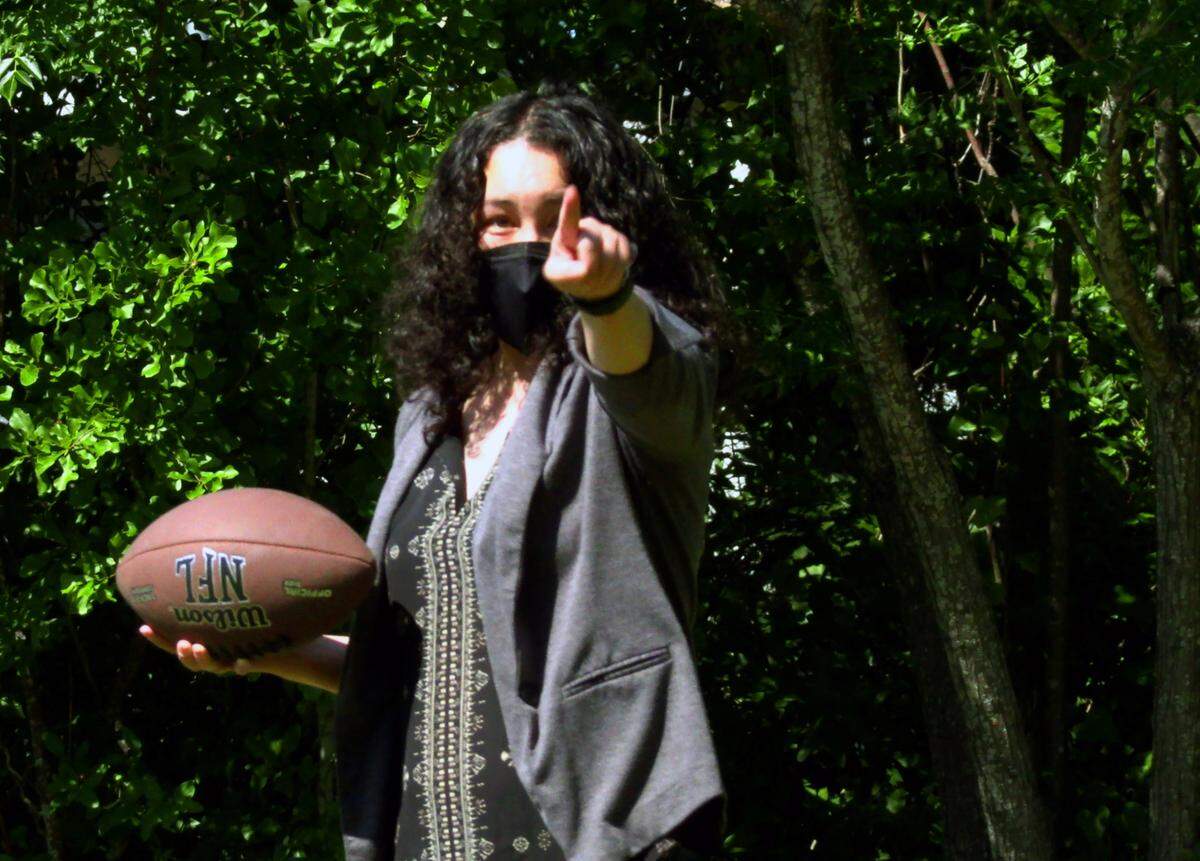
Among the trusted adults there was Stevon Lester of the Collegiate 100 Men, one of the mentors.
“We had guys here every day, or if not every day almost every day, providing mentorship, tutoring,” he told the Ledger-Enquirer. On Saturdays, dozens would come out to play football with the kids in the vacant lot, bringing food and drinks, and taking time just to talk.
“I think in their community, they don’t get the opportunity to really see outside of the south side of Columbus or the east side of Columbus,” he said. “So to see young, Black, educated males who are in college doing well, who are still fun, who are still relatable, kind of gives them a different perspective on life, so it’s been beautiful.”
He most recently worked with two students, one a middle-schooler he tutored before in-school classes resumed, and the other a senior headed to college on an athletic scholarship.
Teens lately have faced two challenges unlike what he knew growing up, he said. One was the disruption caused by the COVID-19 lockdown that moved classes online.
The other challenge is the distraction of social media, he said.
“When I was growing up, and I’m only 21, I wasn’t allowed to get social media until sixth grade, and I had Facebook, and my only five friends were my Mom, my Dad, my grandmother, my grandfather and my pastor, and that was it,” he said. “My little brother had social media since he was in third grade, and it’s all they’re looking at, Instagram, TikTok, Facebook, Snapchat.”
It makes children “socially conscious of themselves,” he said, “so that they don’t even get the opportunity to, number one, be kids, so they’re dealing with a lot of things, mentally and emotionally, that they really shouldn’t be dealing with.”
Another volunteer at the MATCH party was Brittney Long, 35, who thanked the kids for working with her, saying they had taught her a lot about herself.
“I’m going to carry each of you with me, and I won’t forget you,” she said. “And I hope you don’t forget me.”
Seeking solutions
What can Columbus do to ensure the next generation of young residents doesn’t face the same risks? How can it prepare for a time when today’s children have children of their own?
“We need to go back to understanding that it takes a village,” said Love, echoing Averett’s concern that many locals don’t see violence as a problem that affects them.
“What if it was your family that was involved in gang violence?” Love asked.
She said the city needs to add more Neighborhood Watch groups, and to revive any that have faltered. And it needs more churches working with children, she said.
Churches often have facilities that can accommodate large groups and vans that can provide transportation, so they can play a much broader role in serving their communities, she said. But when Love this week organized a meeting of faith groups to solicit help with summer programs, only about 15 people showed up, and just a few signed up to get involved, she said.
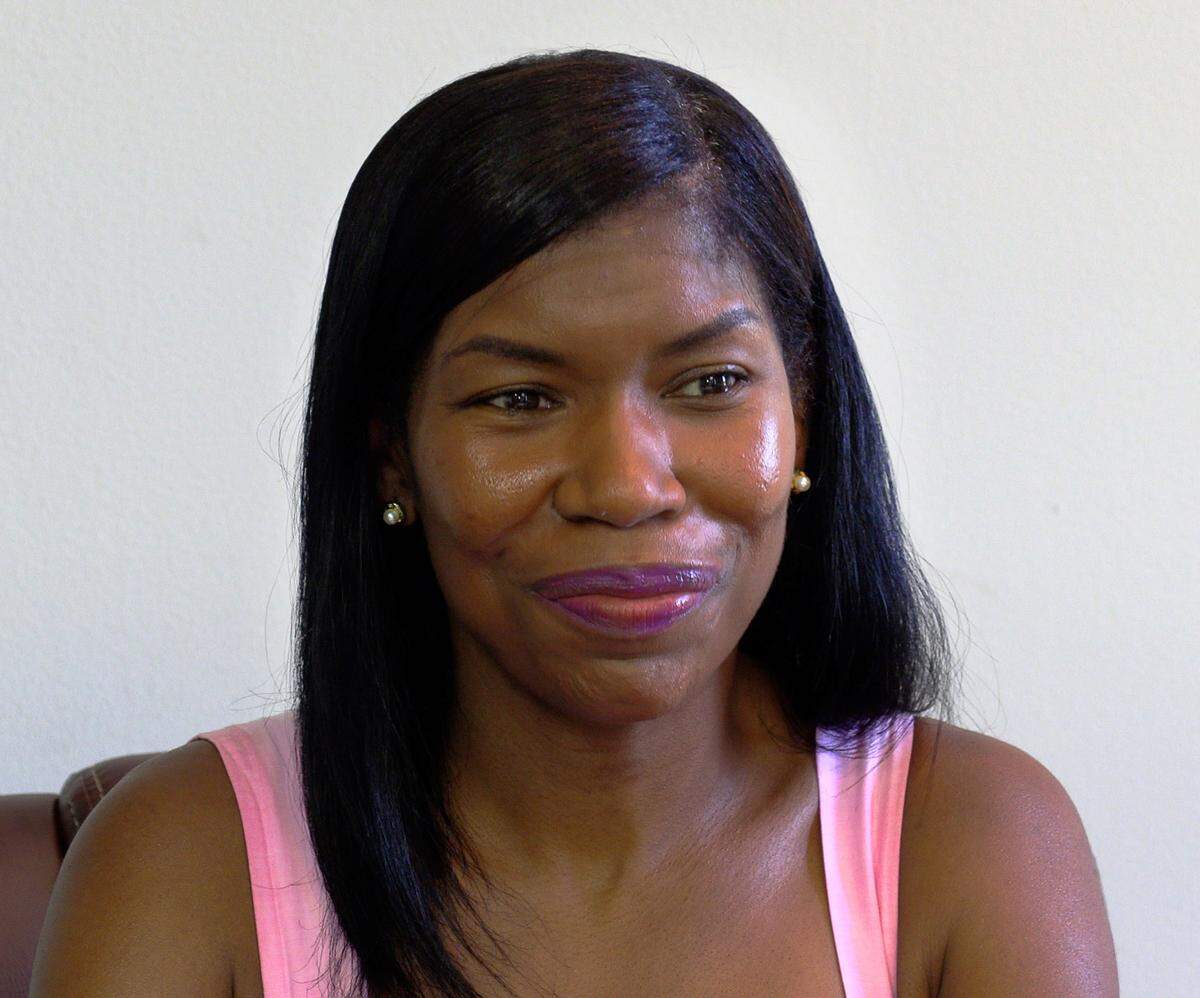
Tucker also saw a need for a more extensive neighborhood support system, akin to the extended family she knew growing up.
With parents today working two or three jobs, they often are not home, “and then the kids are raising themselves,” she said. They need adults to guide them, just as she had: “When the parents were at work, you could always have someone there helping you in the neighborhood.”
She also said a focus on younger children was needed, to address any issues early on.
“It’s elementary school kids that get suspended for behavioral issues,” she said, and that’s when adults need to intervene, “before disciplinary problems get out of control.”
Shameika Averett said the stress and isolation of the COVID-19 lockdown will have lingering effects on children who could not attend school, in person. They will need help rebuilding their social skills, possibly through counseling or therapy, she said: “When you’re not able to communicate, you go into a shell.”
Like Love, Averett felt churches should play a more prominent role in serving the needs of younger people, but she also felt the city’s parks and recreation offerings needed a boost.
When she was a teen, the city had midnight basketball games, and neighborhood pools and rec centers that were open through the summer, to keep kids occupied, she said.
“They really are just looking for an outlet to put their energy somewhere,” she added, and giving them that outlet can keep them from going astray, trying to find it elsewhere: “That way when the next generation’s coming up, they won’t fall into that gap.”
She also thought events that mix law enforcement officers with youngsters, such as basketball or kickball games where kids can get to know officers when they’re off duty, could help them see police in a friendlier light.
“A lot of times our young people don’t see that,” she said.
No one to blame
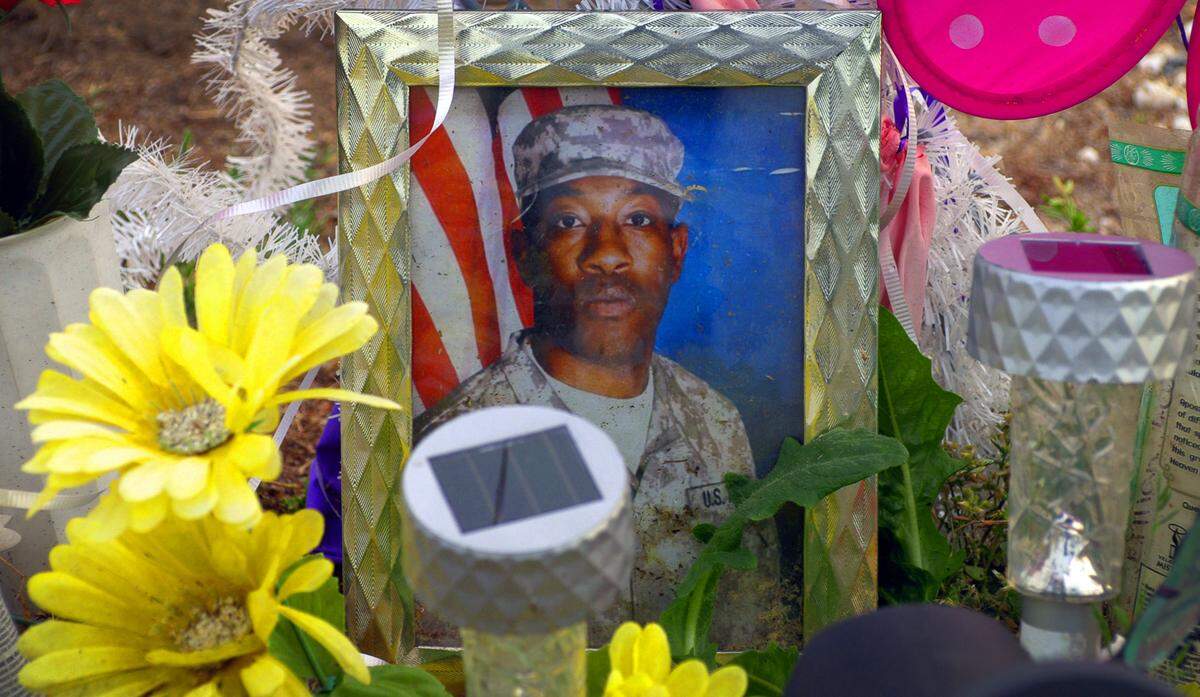
Tanya Weaver this week was making plans for a march against violence, possibly in June. On the second anniversary of her son’s death, Sept. 23, she’s thinking of releasing doves at the Circle K where he was killed.
But next year she does not plan to mark his April birthday where he died. “A lot of people changed their mind about having it here, because it just brings back too many memories for them,” she said.
Her son served four years in the Army, and is buried at the Fort Mitchell National Cemetery in Alabama, so she will hold the gathering there.
Losing her son drove Weaver to work on forming a charity to aid other victims’ families.
“The organization is ‘Moms Against Gun Violence,’ and I chose Columbus because that’s where it happened to my son,” she said.
“We’re trying to get it to be a nonprofit organization where we can help other mothers, families with gas money, food, clothes if they need it, and just support them when a murder does happen, so we can come together and show love to one another.”
Her son was a good kid, she said: He never got into trouble, so she never had to get him out of jail or take him to court, but that didn’t save him in the end.
“It’s unfortunate my son was a victim of gun violence,” she said, adding she wonders what went wrong in the life of the suspect charged. “I know that something happened to his young man at a very young age, for him to be doing what he was doing.”
She doesn’t think the city can solve such problems. “I just don’t think there’s anything the city of Columbus can do. I think it all starts at home.... Some moms are afraid of their kids, so they don’t say anything to them.”
Problems that begin in the home can’t be blamed on the mayor or other city leaders, or on the police department, she said. Even children with responsible, attentive parents sometimes make bad choices with deadly consequences, and no one else is to blame, she said:
“If their heart is not in the right place, they’re going to go out there and do what they want to do anyway.”
BEHIND THE STORY
MOREHow we did this story
With the continued rise in homicides across Columbus, Ledger-Enquirer reporter Tim Chitwood wanted to learn more about the residents and organizations working at the ground level to curb violence.
He spent weeks connecting with organizers, attending memorial services, meeting kids and observing some of the strategies grassroots organizers have implemented. Visual journalist Mike Haskey (and freelance photographer Darrell Roaden) tagged along throughout the reporting to produce the photo and video pieces attached to this package.
This story is part of our ongoing, in-depth coverage of homicides in Columbus. While we recognize our role in providing daily news on shootings, arrests and homicides, it’s also important to take a step back and look at the news cycle from a broader view.
If you would like to share your experience or ideas, please email Tim Chitwood at tchitwood@ledger-enquirer.com.
This story was originally published May 26, 2021 at 8:00 AM.