
This group is helping to address violence in Columbus from a community perspective
The Columbus area has been plagued with violence over the past few years with a homicide total reaching 70 in 2021 after a gang war in the area. In 2023, there were a total of 57 homicides in the Columbus area, according to a list compiled by the Ledger-Enquirer.
So far this year there have been five homicides in January 2024, according to a Ledger-Enquirer count.
Groups have sprung up in the area to help address the violence throughout the community. One such group helping to address violence in Columbus is Cure Violence Columbus.
Cure Violence Columbus started in 2021 in a year when homicides reached a peak. The group, based on a national model first established in a Chicago neighborhood in 2000, treats violence like an epidemic that requires a concentration of resources to address.
Kenyada McKenzie is familiar with violence having grown up in the Columbus area. As a teenager, she became familiar with the criminal justice system after being sentenced to prison.
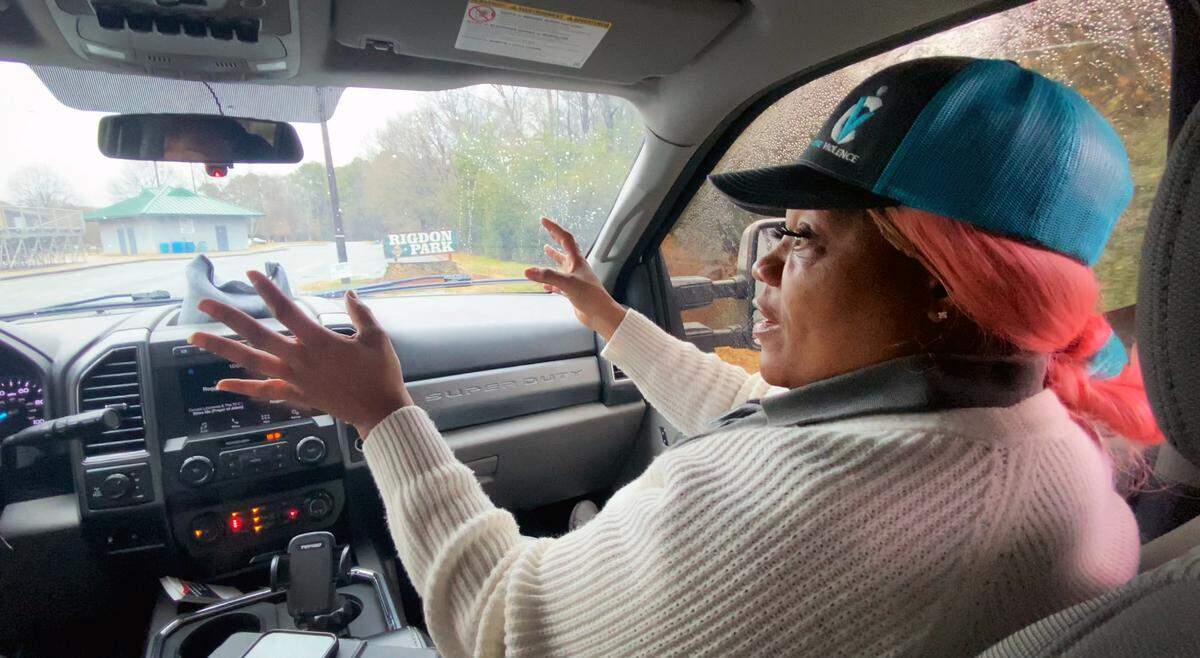
“After being sentenced and doing time in prison I realized that giving back to the streets and stopping somebody else’s child from going down the road that I had to go down was imperative to me,” said McKenzie.
She joined Cure Violence which she said has become “more than a job” to her due to her passion for her work.
“Violence is the end result. Violence is not the beginning of how things happen,” McKenzie said.
Reggie Lewis is a former police officer who worked in the Columbus Police Department. He is the co-founder and executive advisor for Cure Violence Columbus. He said an analysis from 2016-2021 identified specific zip codes with the most violent crimes in the area.
Lewis said that the zip codes they identified as being the highest in violent crimes included 31903, 31906, 31907, and 31904. The first three zip codes fall within the southern portion of Columbus and are close to one another.
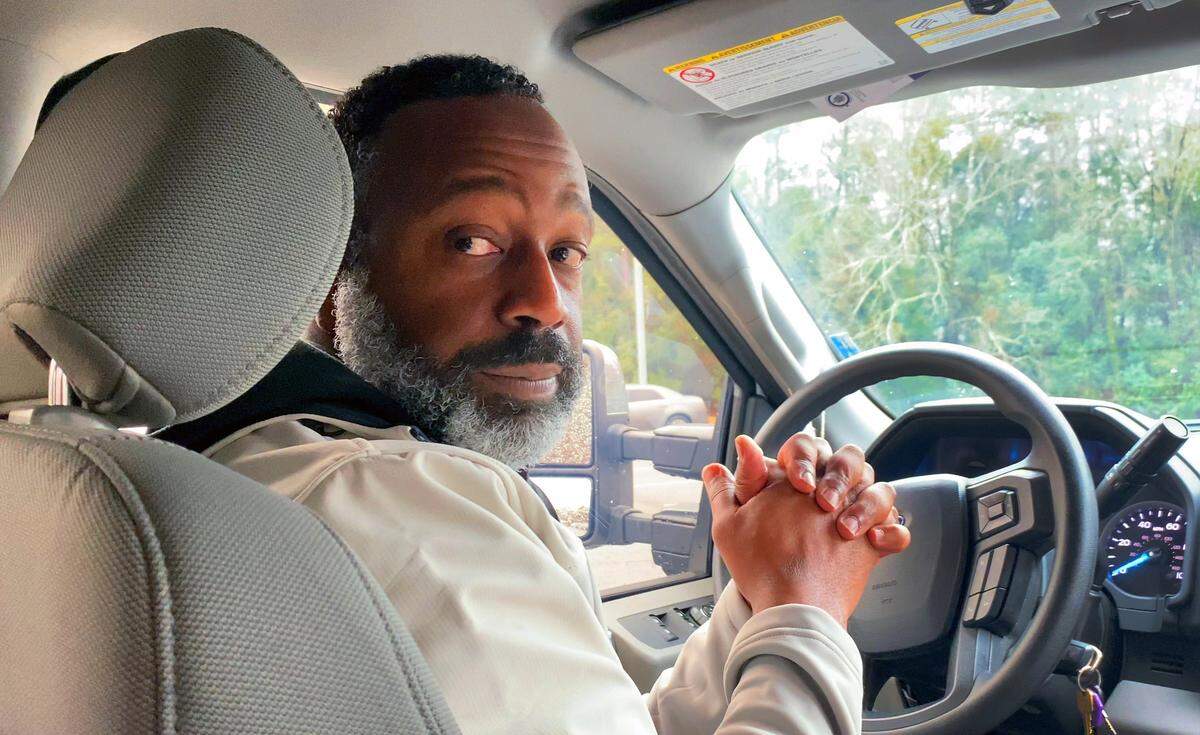
“31903 had the highest clustering of that violence. A lot of the times it’s people that know each other that’s committing the violence against each other,” said Lewis.
Wise Street, recently the site of a double homicide, is located within 31903.
However, some social determinants may be contributing to the violent crimes in that area.
“31903 has a high poverty rate. We have 20,000 people in 31903, 35% are in poverty,” said Lewis.
“These are some other factors that lead to violence,” he went on to say. “The average median income is $24,800. That’s $11 an hour, but they’re paying $12,000 in rent a year.”
“Half of their salaries are going to rent so they can’t afford the necessities to live,” Lewis said. “So what are you going to do when you can’t get what you need; you’re going to try and go get it the best way you can.”
“Back in the 90s, when I was working in Columbus, it’s the same areas but it’s gotten worse,” said Lewis.
Jerome Lawson is the director Cure Violence Columbus and is the owner of Twist Skillit food truck in Columbus.
Lawson said he was sent to prison at 16 for an armed robbery and spent 10 years there. “What I do tell these young men and women, I tell them that I’ve been there, and if there’s something that I don’t know about what you’re going through, we can only achieve that by establishing trust and going forward with that trust.

“I’m not a threat to you, I’m trying to help your situation but you can’t help a person who don’t understand what help is,” said Lawson.
Lawson further explained his approach to helping and dealing with folks.
“Sometimes you got to get on the fence with people,” he said. “That doesn’t mean doing what they do but connecting to them in such a way that they understand and they feel like you’re right there with them in that situation.”
Lawson said the Cure Violence team doesn’t “just stand outside in a van” when they go into these communities.
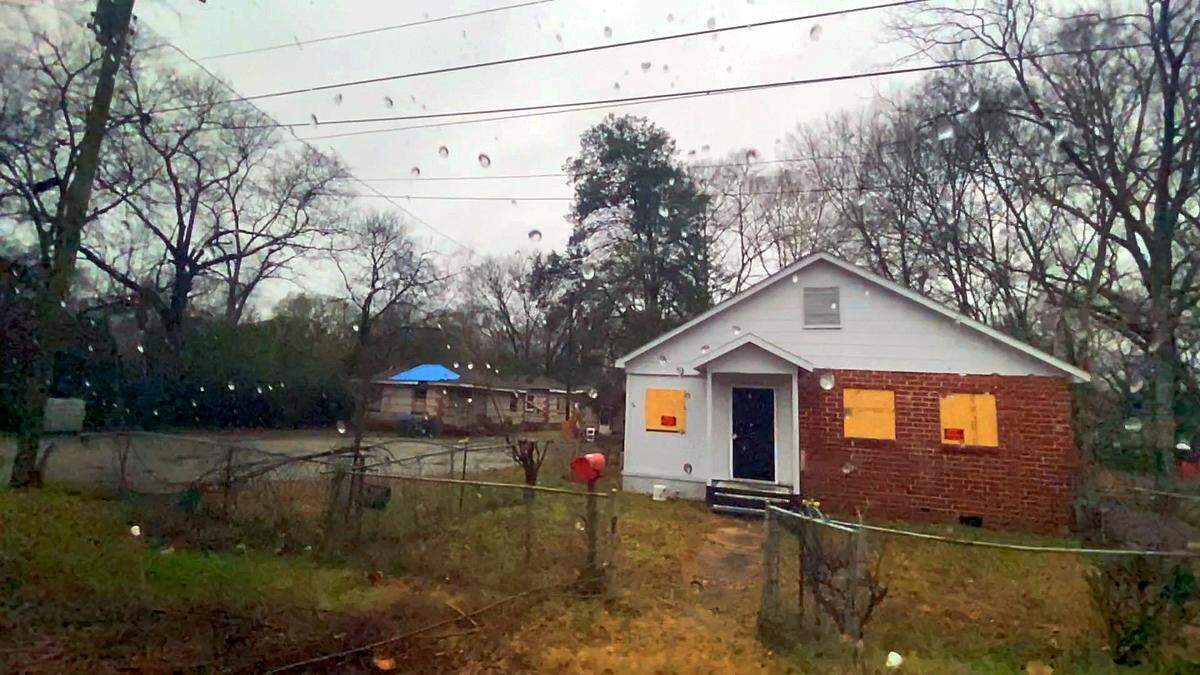
“I’ve been inside of traps, I’ve been inside of bandos (abandoned houses) by myself or with the team,” Lawson said.
For those that say it’s not their problem because they don’t live in those areas, Lawson said those people are in denial.
“We’re all in the same situation regardless if we acknowledge it or not,” said Lawson. “Most times when people deny it, it’s because, normally, it’s easier to deflect and not deal with a situation.”
Driving around the areas Lewis mentioned, observers can see occasional abandoned houses along with closed businesses and tires strewn about in some abandoned lots.
Lewis said as he continued in his career he started to think about the outcome of his actions as a police officer.
“I’m writing all these tickets on the south end when I know good and well they don’t have the money to pay for it,” he said.
Even a ticket could have a snowballing effect, Lewis said.
If the person isn’t able to pay the ticket and doesn’t show up for their court date they could get a contempt of court which could lead to a future arrest, according to Lewis.
The Rigdon Park pool was closed this past summer, which left children in the area with fewer options for fun summer activities.
“They’re closing down the places that need to be opened such as recreation centers,” said McKenzie.
Upcoming event
The Columbus Empowerment Network is having an event at 10 a.m., Tuesday, Jan. 30, at the Columbus Public Library auditorium.

The event is for people in the Columbus area who want to see a reduction in violent crime in the area and want to be a part of a community-driven solution to crime, according to the news release.