Improvements made in Columbus finance department, but outsourcing still an option
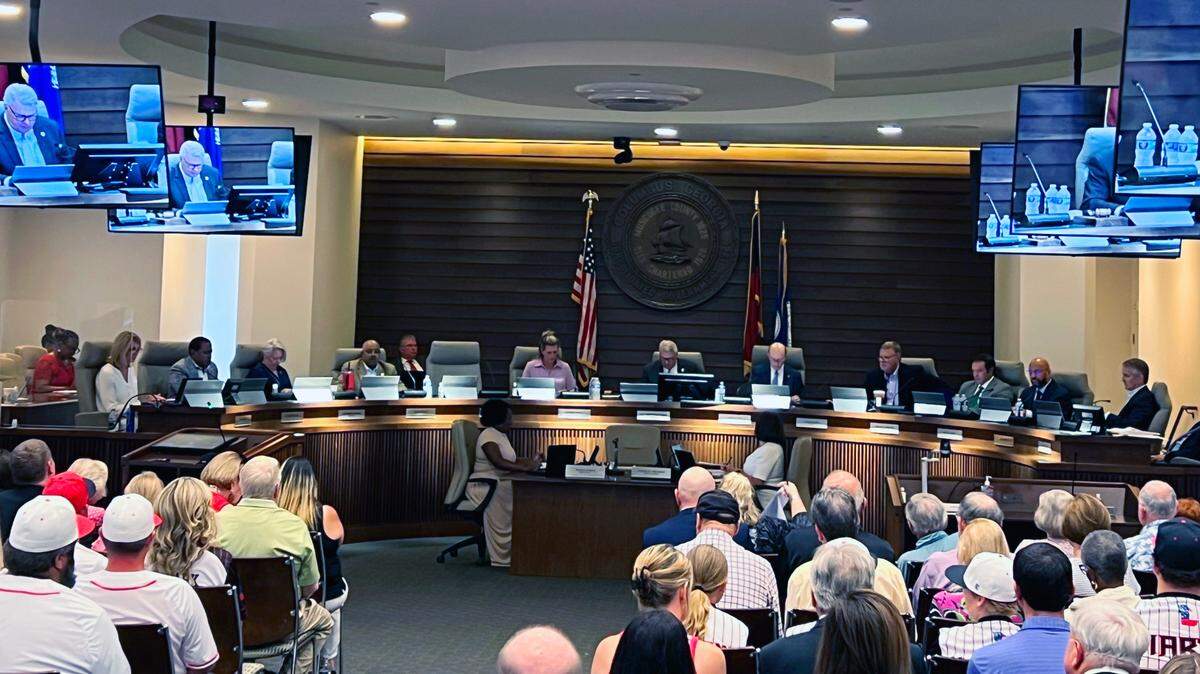
Columbus Consolidated Government is still considering outsourcing business license tax and revenue collection services, even after an evaluation committee rejected all vendors who submitted proposals.
Columbus Council asked in November that a request for proposals to outsource services in the revenue division be sent out because councilors began to feel the city could not adequately do this work. CCG’s revenue division in the finance department came under fire when complaints about a backlog in business license renewal processing began to accumulate. Those issues spiraled into a criminal investigation, leading to two arrests.
Finance director Angelica Alexander, who was arrested in the investigation and still faces a charge of willful obstruction of a law enforcement offier, and deputy city manager Pam Hodge provided updates on the status of the Revenue Department and the outsourcing proposals during a July 22 council meeting.
‘Pretty significant progress’ in Revenue Department
The Revenue Department has processed 6,817 licenses as of July 13, Alexander said. At this point in 2024, the department had processed 6,631 licenses.
This is an increase of about 3%, she said.
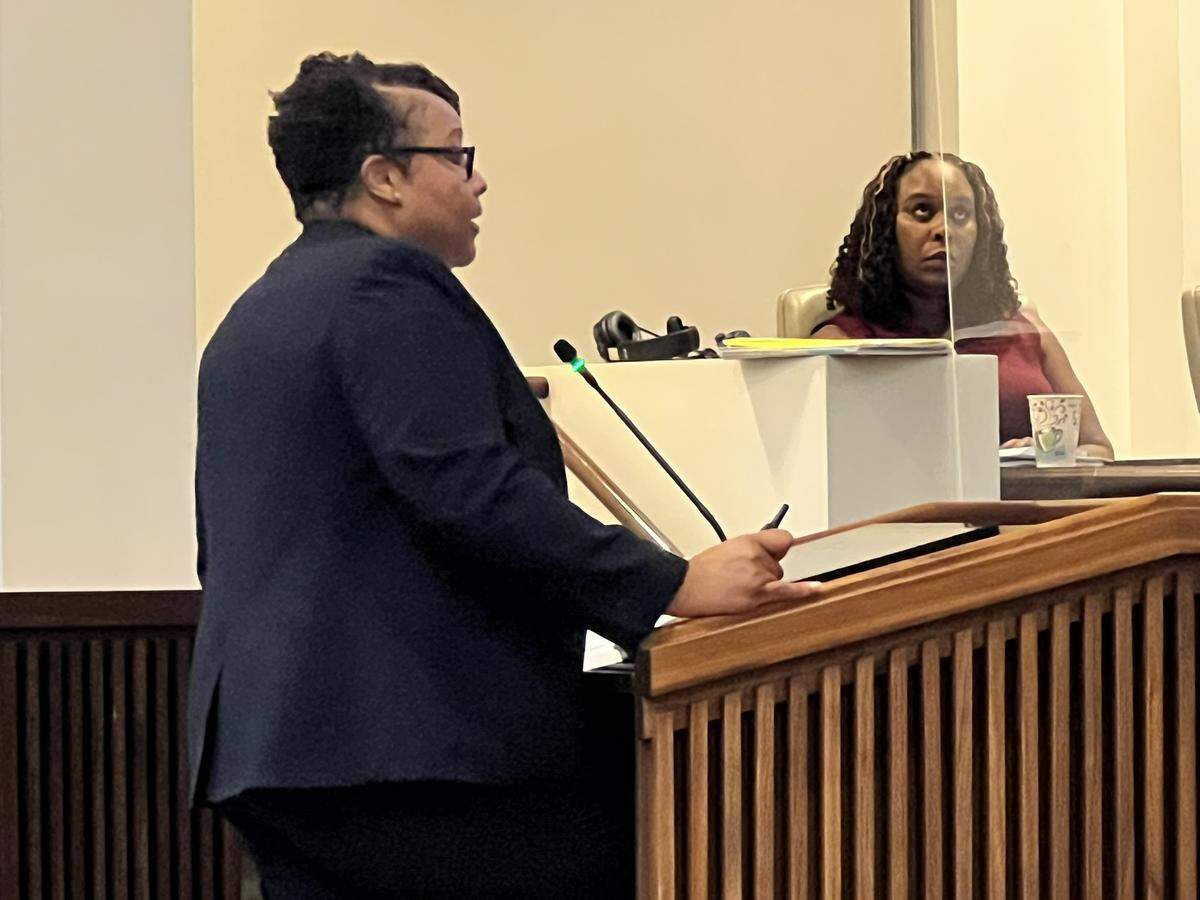
There are 61 “problem” accounts, Alexander said. The money is in the bank for these accounts, she said, but they haven’t been able to finalize processing and they are working with the businesses to rectify the situation.
Fifty-nine accounts are still pending, Alexander said. One organization that runs short-term vacation rentals makes up more than half of these accounts, she said, and the department is waiting on this organization to obtain their short-term rental certificate before the licenses can be processed.
“That’s pretty significant progress from where we were last year,” Alexander said.
The department is current on the 2025 license renewal processing, and secondary contact has been made for pending and problem accounts. Additionally, the process for notifying businesses of delinquency through the mail is ahead of schedule, Alexander said.
Businesses were expected to respond to delinquency notices by July 25, she said, and delinquent accounts would be turned over to Code Enforcement in August if not fixed.
An online self-service portal is available for businesses to pay certain types of taxes, with more being added next month. Using the online portal for this process is not a requirement because more work has to be done to ensure it’s user-friendly and has all the necessary features.
Alexander is in a meeting each day with the information technology department to work on this automation, she told councilors.
Businesses that opt to pay taxes quarterly still have to do their renewal process by mail because of the limitations of the online system, she explained.
There has been about $21.2 million in occupational tax revenue for fiscal year 2025, Alexander said. This number has not been audited, she said, and is subject to change. But if it does change, she said, it should not be that different.
In FY 2024, Columbus received about $23.8 in occupational tax revenue. Part of the reason the revenue is lower is because FY 2025 is the first year the report separated out penalties and interest from the total revenue number, she said. Some accounts are not in a current status, Alexander said.
Staffing still a challenge
Issues of understaffing became clear in the finance office when auditors and investigators examined the department. Recruitment is ongoing and challenging, Alexander said. The department has hired a new revenue manager who began in June, Alexander said.
The department also has been participating in job fairs for recruitment.
“We are also continuously reviewing the duties and responsibilities for the staff,” Alexander said. “As we implement new processes, there may be some things that shift from certain individuals in the department to others.”
The department is working to improve efficiency, including using automation speed up issuing licenses when other city departments are involved. Previously, new alcohol licenses had to be hand delivered when they needed to signed off by the city attorney or required approval from other departments, Alexander said. Now, this is all done through automation.
“We’ve had this online process in place for a little more than a year now,” she said.
Councilors Charmaine Crabb, Glenn Davis and Travis Chambers spoke positively on the improved efficiency in the revenue department.
“The numbers speak for themselves,” Chambers said. “I just want to commend you and your staff for taking an effort, a good effort, to trend in the right direction. I just pleased with your report.”
Outsourcing update
Efforts to find a viable vendor to outsource the revenue department have ended with three rejections, officials said in the July 22 meeting.
In the city’s request for proposals, CCG asked for the following services from vendors:
Maintaining, auditing and issuing occupation tax, alcohol and insurances licenses
Collecting business licensing taxes and fees
Collection of excises taxes, lease payments and billing support for demolitions, lots clearings and landfill utilization services
Voting members of the evaluation committee came from the City Manager’s Office, the Inspections and Code department, Public Works and the Columbus Police Department. The Finance department was also represented, Hodge said, but it was not a voting member.
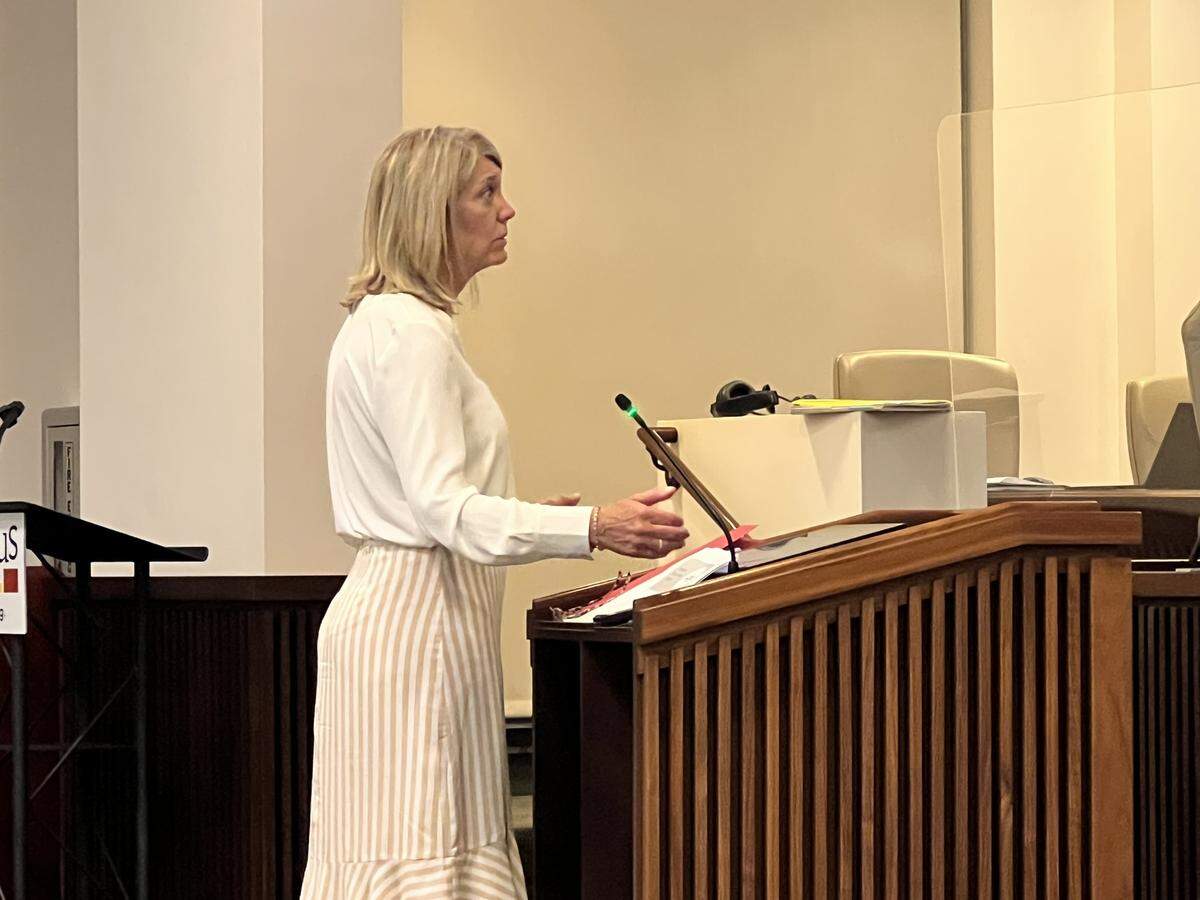
Three proposals were submitted to the city, she said, and the committee met three times from March to June to evaluate applications and interview vendors.
On June 16, they unanimously voted to reject all of the proposals.
“I did serve on that committee,” Hodge said. “The vendors that submitted proposal did not meet the requirements of the RFP.”
Some of the vendors offered “interesting” features, she said, but none of them could meet all of the requirements.
Hodge offered the council two options: Keep operating the Revenue Division in the Finance Department with city employees or re-issue the RFP.
Councilor Byron Hickey of District 1 indicated he would like to try the RFP again to find out if there’s anyone that could meet those requirements and ensure the city “stays on track.”
“I would like for us to put it back out there to see if we can get somebody to do the outsourcing on us for the business licenses,” Hickey said.
Davis pointed out that the city has seen success with ambulance billing collection after outsourcing that work. Contracting the services out could mean better efficiency and more revenue, he said.
“I still think it’s worthwhile looking into,” Davis said. “It doesn’t mean that we ultimately would do it.”
Hodge emphasized during the discussion that all the vendors registered in Georgia received notification of the RFP.
Councilors John Anker and Crabb both suggested looking into changing the RFP to outsource only certain functions of the division. Councilor Travis Chambers expressed concern about employees fearing job loss if the department was outsourced, but added he was not opposed to outsourcing.
The city would try to place employees in different positions during a transitional period, Hodge said, but those jobs are not guaranteed.
Councilor Joanne Cogle also asked how the RFP could be changed to accommodate a “hybrid” system that would outsource some of the functions of the revenue department.
Hodge agreed to look into more details about how this could be done along with getting a review of Columbus’ business tax structure to make the process more streamlined.
This story was originally published July 26, 2025 at 12:57 PM.