
Read James Brown’s will, which left his fortune to educate SC children
.JPG "In his will, James Brown left his house and his intellectual property to a trust to provide scholarships to children in South Carolina and Georgia. His children were only left his household possessions and insurance policies.")
READ MORE
James Brown’s Unfinished Dream
Legendary entertainer James Brown’s will promised the vast majority of his estate would fund the education of students in South Carolina and Georgia. After 18 years of drama, not a single scholarship has been funded.
Expand All
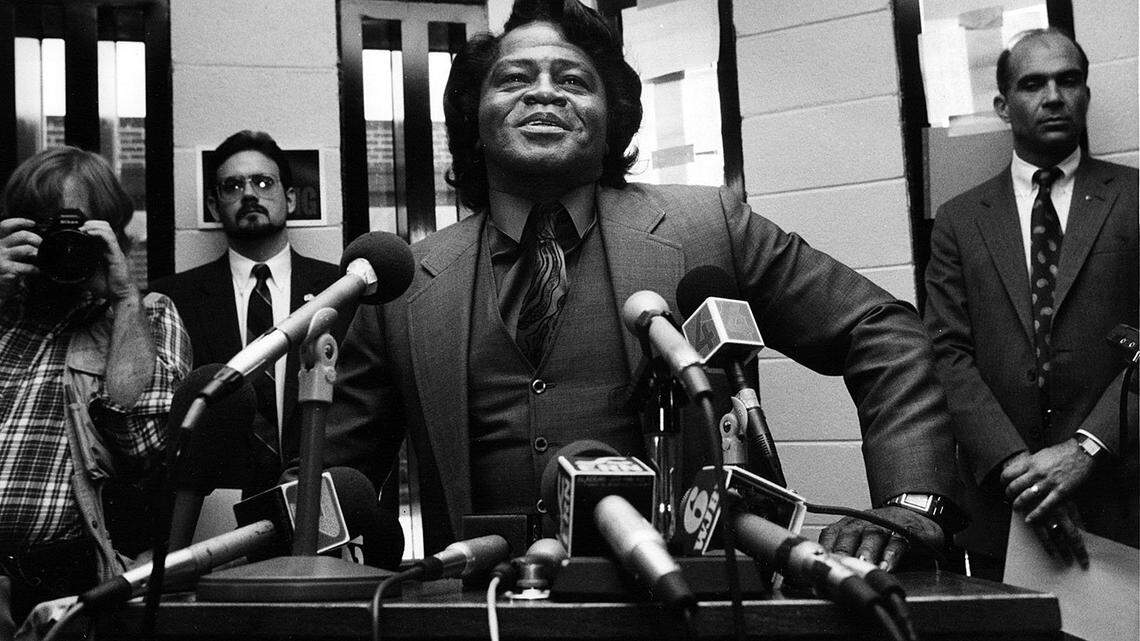
18 years after James Brown’s death, feuds block millions for SC and GA children

Henry McMaster wanted to save James Brown’s charity. Instead he upended it.
Read James Brown’s will, which left his fortune to educate SC children

James Brown wanted to leave millions to charity. An accountant got to them first
James Brown’s will is just seven pages and a cover sheet. Signed in 2000, it states that the majority of his estate would go to fund scholarships to educate children in his home states of South Carolina and Georgia.
Brown’s wishes were well known when he died. He had made recordings of himself and spent more than a decade talking about his plans. But embedded in the will were conditions that would ignite the first legal challenges that eventually escalated into a nearly two-decade long war.
Brown’s will named three personal representatives — a type of fiduciary responsible for assembling the deceased’s assets and carrying out their will. But the men he chose were distrusted by his family, who Brown had effectively disinherited. This conflict led to lawsuits that eventually prompted first courts and then the South Carolina Attorney General’s Office to make an extraordinary intervention in Brown’s estate.
The result is a legal stalemate lasting more than 16 years, which has prevented Brown’s estate from carrying out his wishes.
Brown’s will was prepared by a respected Columbia estate attorney, H. Dewain Herring. It left the singer’s Beech Island mansion along with the rights to his music, name, image and likeness to fund his “I Feel Good” Trust, which would pay out scholarships.
His six recognized children were left with only the contents of his home and his insurance policies. Tomi Rae Hynie, the fourth and final woman that Brown married, was excluded entirely along with their son, James Brown II.
Anyone who contested the will would be disinherited.
The will named three members of Brown’s inner circle his personal representatives and trustees of the “I Feel Good” Trust. They were David Cannon, his longtime accountant; Albert “Buddy” Dallas, his personal lawyer, and Al Bradley, a former South Carolina magistrate judge.
Deanna Brown-Thomas, one of Brown’s children, said that before Brown’s death she had already been concerned about how this group treated her father. Hynie too had clashed with them, claiming they had driven a wedge in her relationship with Brown.
There was no doubt that the three stood to benefit enormously from the estate, which had an unusual clause allowing 50% of the trust income to go to undefined “management fees.”
A year after Brown’s death, his children and Hynie filed lawsuits seeking to have Brown’s will thrown out. They accused the three personal representatives of exercising “undue influence” in the drafting of Brown’s will and trust.
Herring was also considered an unreliable witness to Brown’s will. In 2007, Herring was convicted of murder. The year before, he had been kicked out of a stripclub after undressing during a private dance. In a move unexplainable even to Herring himself, the successful attorney then fired a gun into the club’s entrance, killing the club’s manager.
Herring was convicted of murder in 2007.
South Carolina Attorney General Henry McMaster used these lawsuits as justification for his intervention into Brown’s estate. In 2008, McMaster brokered a settlement giving more than half of Brown’ estate to Hynie and Brown’s children. In defending the settlement, McMaster cited bringing an end to the lawsuits seeking to overturn Brown’s will.
But in 2013, the South Carolina Supreme Court overturned the settlement. As part of their order, the justices ruled decisively against the claims of undue influence in the will.
James Brown, they noted, “had a reputation as a strong-willed individual who did not take orders from others, and he made his desires abundantly clear during his lifetime.”
Overturning his will would simply allow those he specifically disinherited to obtain his assets “to the detriment of the charitable entity that Brown so fervently desired.”
This story was originally published September 3, 2025 at 10:28 AM with the headline "Read James Brown’s will, which left his fortune to educate SC children."