
Your birth options in GA are shrinking. 3 midwives hope to change that

Amidst Georgia’s maternal mortality crisis, a group of midwives has filed a lawsuit challenging Georgia’s restrictive laws. Plaintiffs Jamarah Amani, Tamara Taitt and Sarah Stokely are suing the state over laws they say have driven birth workers away and left pregnant Georgians with few options for care.
The lawsuit claims the state is shutting out trained providers at a time when pregnant people, especially women of color, already struggle to find care. Plaintiffs believe the restrictions violate the Georgia Constitution and are not tied to patient safety in a meaningful way.
Why they’re suing
The lawsuit says Georgia’s midwifery laws are among the most restrictive in the country and do not match the state’s maternal health needs.
The lawsuit was announced the same day state lawmakers failed to pass HB 520, a bill that would have largely decriminalized midwifery.
Plaintiffs want to:
- Expand access to home births, birth centers and more personalized prenatal care
- Eliminate medical oversight where it is needed
- Allow medically trained midwives to practice without a nursing license without penalty
- Eliminate physician oversight agreements which make practicing too expensive for many.
Current GA law
Georgia has a patchwork of regulations spread across state code titles, administrative rules and board oversight, primarily under Title 31 (Health) Chapter 26 and Title 43
The lawsuit argues the rules go beyond reasonable regulation and block trained providers from giving the full scope of care they are qualified to provide.
What the law says:
- Requires nursing licenses and physician oversight, extending safety measures
- Prevents unqualified practitioners from delivering babies
- Reduces liability
- Standardizes care across hospitals and homes
- Creates accountability with oversight agreements, ensuring aligned protocols.
Current restrictions:
- Bars midwives without nursing licenses from practicing
- Requires certified nurse-midwives to work under physician oversight
- Certified nurse-midwives must enter written agreements with physicians to deliver the care they are trained to provide.
- Agreements can be expensive and hard to obtain.
Georgia’s maternal health crisis
Georgia has one of the highest maternal mortality rates in the country with deep racial disparities that hit Black women hardest.
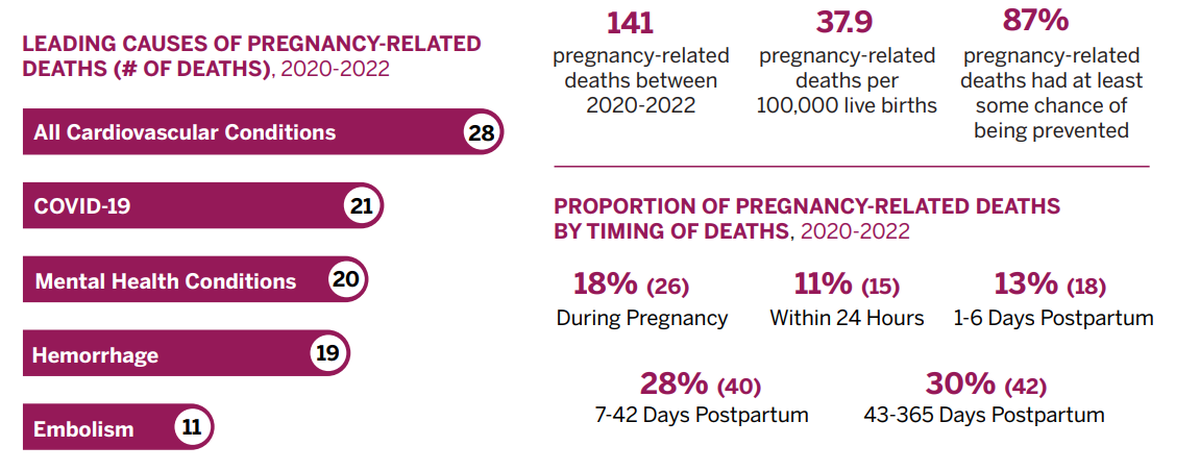
A maternal and infant health report from Healthy Mothers, Healthy Babies reveals startling data.
Georgia’s data:
- The maternal mortality rate is 37.9 deaths per 100,000 live births.
- 87% of the deaths are preventable.
- Black women face rates 3 to 4 times higher than white women.
- Rural Black women experience maternal mortality rates double those of rural white women and 30% higher than urban Black women.
- Ranks 7th worst nationally for pregnancy-related deaths.
Midwives in the lawsuit argue they could help address these disparities through lower-intervention births and better support for Black families.
What happens next
The case is now in court, and the outcome could shape how much room midwives have to practice in Georgia.
For families, the practical question is whether the state moves toward more birth options or keeps the current system largely intact.
What the lawsuit could do:
- Allow more midwives to practice
- Overturn or block key restrictions on midwifery practice
- Pave the way for home-birth and birth-center settings.
If the law stands, advocates say access problems in rural and low-income communities are likely to continue in an already strained industry.
Thoughts about the state of midwifery in Georgia? Email me at srose@ledger-enquirer.com or find me on social media.
This story was originally published April 10, 2026 at 6:00 AM.