How $10.7 million Springer campaign will improve historic theater and downtown Columbus
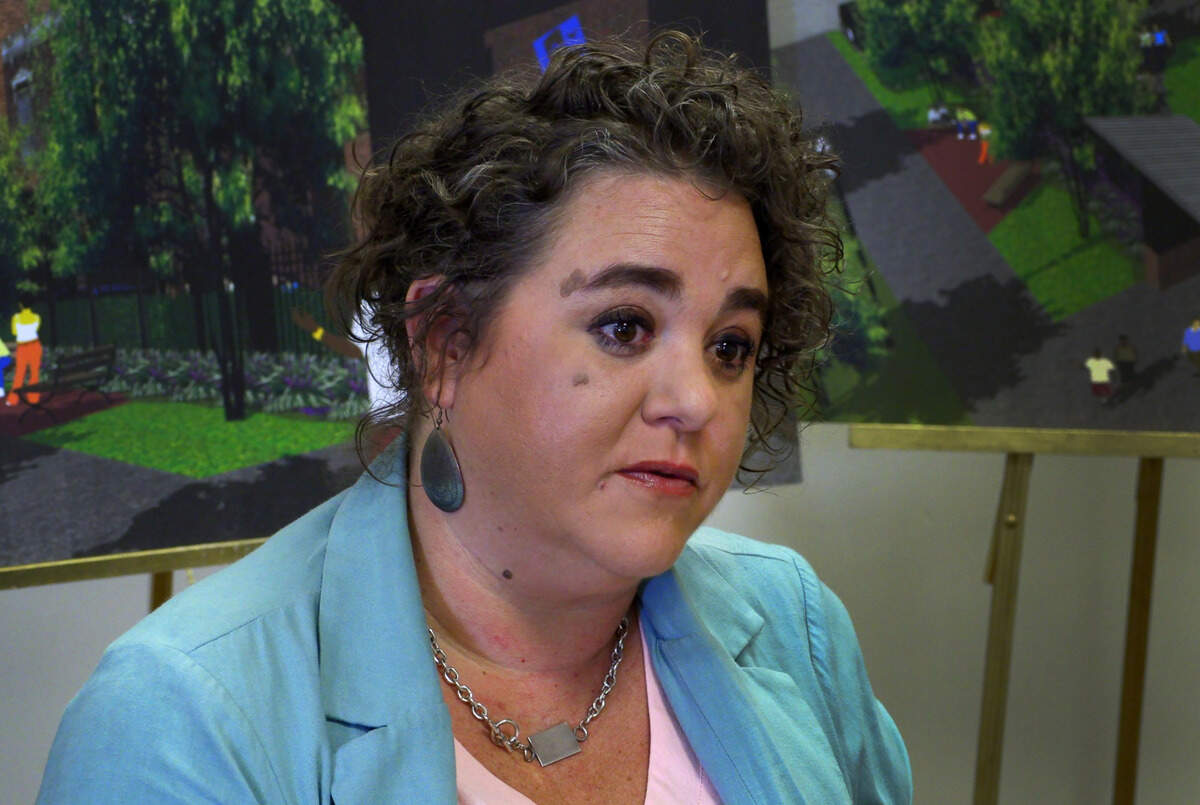
The Springer Opera House, the historic State Theatre of Georgia in Columbus, has launched the public phase of a $10.7 million capital campaign to construct an outdoor theater park, boost its education program and preserve and upgrade the 153-year-old building.
More than 80% of the “Forever Springer” fundraiser goal has been secured in pledges during the quiet phase, which started a year ago, Springer CEO and executive producer Danielle Varner told the Ledger-Enquirer.
Based on the “overwhelming” generosity of the community, Varner said, she expects the Springer to reach or surpass the goal in the next four or five months.
“It just warms my heart how many people love the Springer,” she said. “And they love it for so many different reasons.
“There are people that love the building and what it means to Columbus. There are people that love it because of what it does for their children and enhances their lives. It means a lot to people who have performed on the stage. They’ve been an usher. They’ve been a board member. … It’s just incredible how generous this community is.”
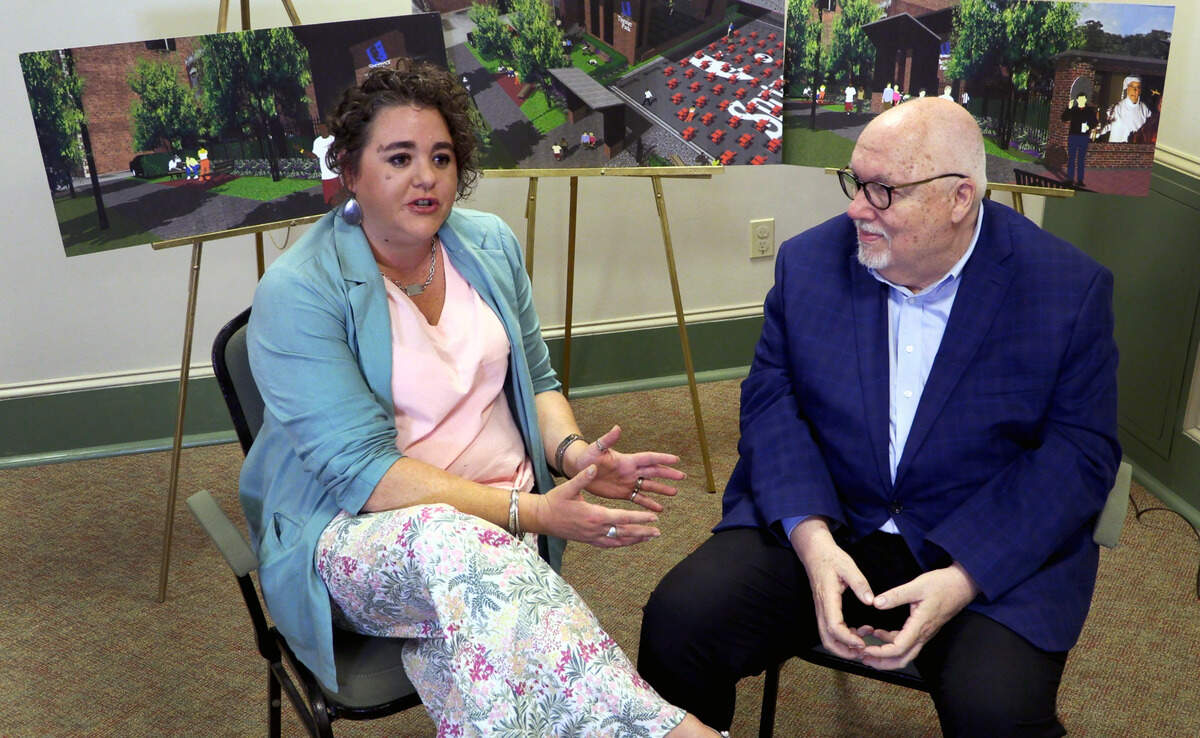
Springer senior adviser Paul Pierce, who retired last year as producing artistic director after 35 seasons, co-chairs the campaign with Frank Schley III. The other campaign committee members are Lauren Chambers, Tom Flournoy, Cindy Garrard, John Greenman, Barbara Kennon, Lisa Powers and Sally Turner.
“Our campaign committee has been fantastic and very engaged,” Pierce told the Ledger-Enquirer. “They’re great advocates of the Springer Opera House.”
He estimated 150 donor prospects have been contacted.
“And I can count on one hand the number of people that said, ‘No thank you, that’s not an interest of mine’,” he said.
The project’s architecture firm is Hecht Burdeshaw of Columbus, the contractor is Thayer-Bray Construction of Phenix City, and the project manager is Newt Aaron of Columbus.
Here’s a breakdown of how the Springer plans to use the $10.7 million.
Theater park
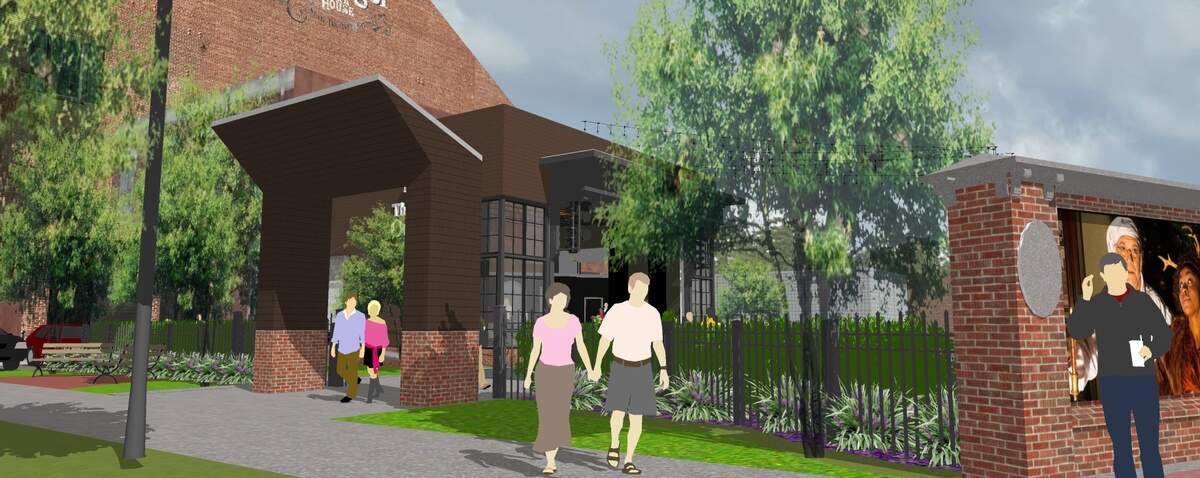
The most dramatic change this capital campaign will fund is a theater park, dubbed “the PATIO,” an acronym for Pierce Anderson Theatre in the Outdoors, named for Pierce and the late Ron Anderson, founder of the Springer Theatre Academy. They helped the Springer grow its annual audience since 1988 from approximately 10,000 to 100,000.
“This is just a small token of how we can show our appreciation,” Varner said.
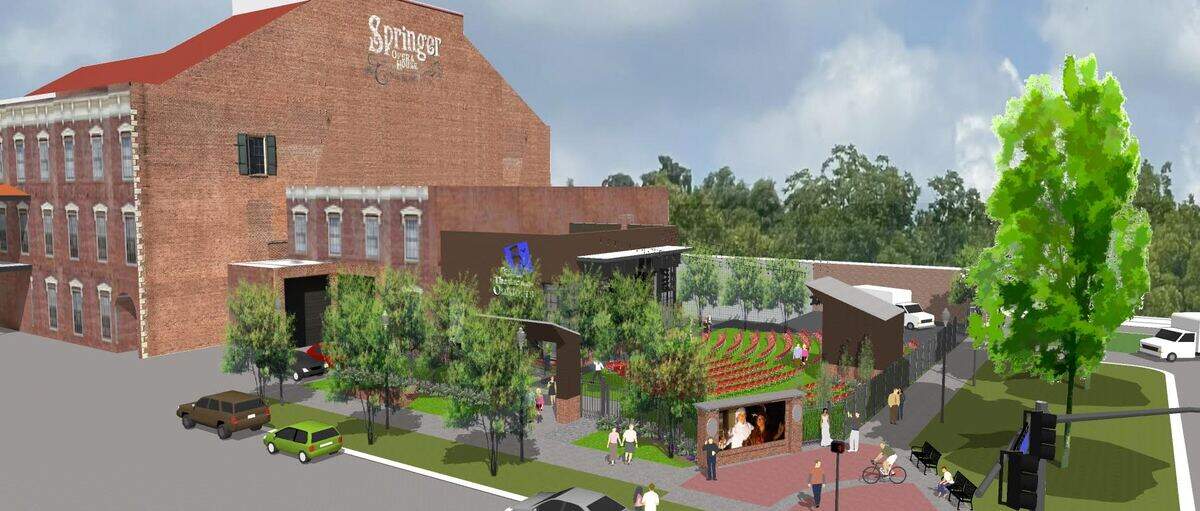
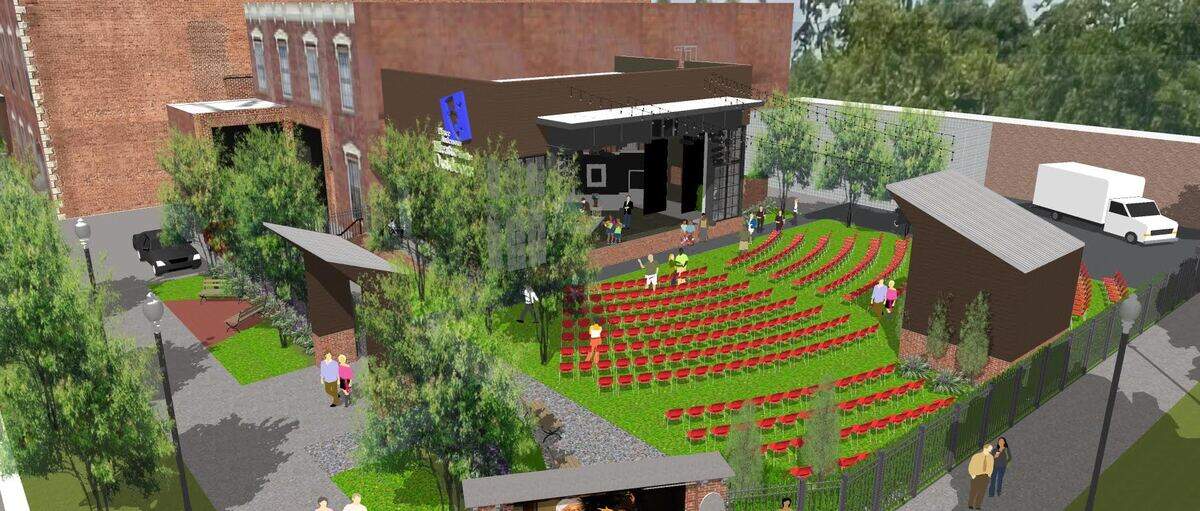
At the corner of 10th Street and Second Avenue, the Springer’s staff parking lot for approximately 25 vehicles will be converted into a park with an outdoor stage. The PATIO will have room for about 600 portable seats, plus landscaping, trees and benches. It will be open to the public during the day for folks to enjoy the green space.
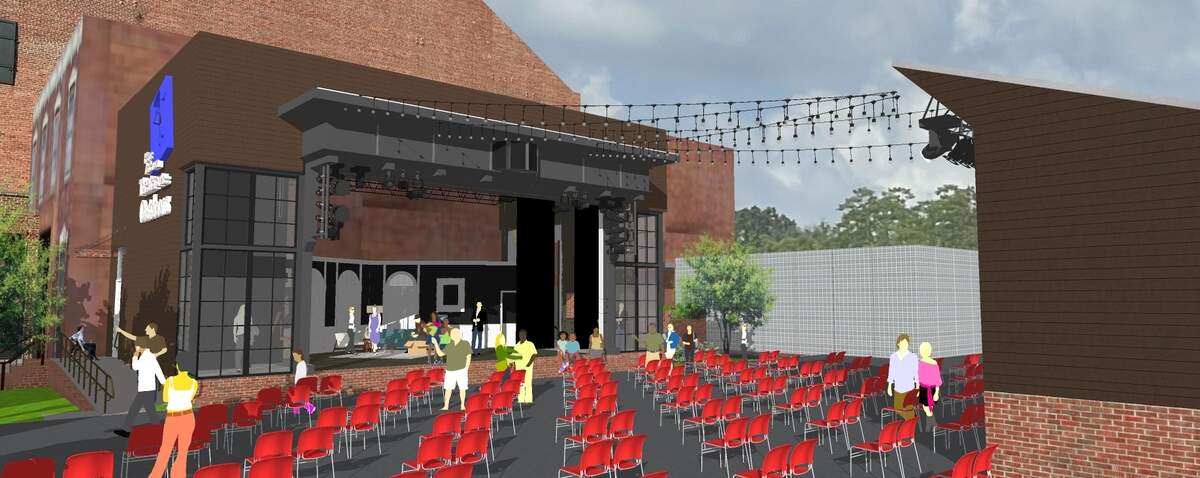
“We think it will be transformational for downtown,” Pierce said, “… so that there’s a new gathering space in downtown Columbus in a park-like setting.”
The Springer still could use that area for parking, or it could lock the gates and close it off for events if needed, Varner said.
“When the new judicial center is built (across 10th Street), there will be a surface parking lot half a block away that will have 500 parking places,” she said.
In addition to theater, Springer officials envision the PATIO being used for concerts and other performing arts. And, as with the Springer’s indoor spaces, the PATIO also will be available for events conducted by other groups.
“We have calls about rentals every day,” Varner said, “and this is going to give another opportunity.”
The idea for the PATIO came out of the COVID pandemic, when the Springer performed shows on a temporary stage on that parking lot while indoor gatherings were prohibited or restricted. Feedback from patrons was so positive, Varner said, the Springer started thinking how such a venue option could be permanent.
“It was incredible, how many people came out and said, ‘We want more of this,’” she said.
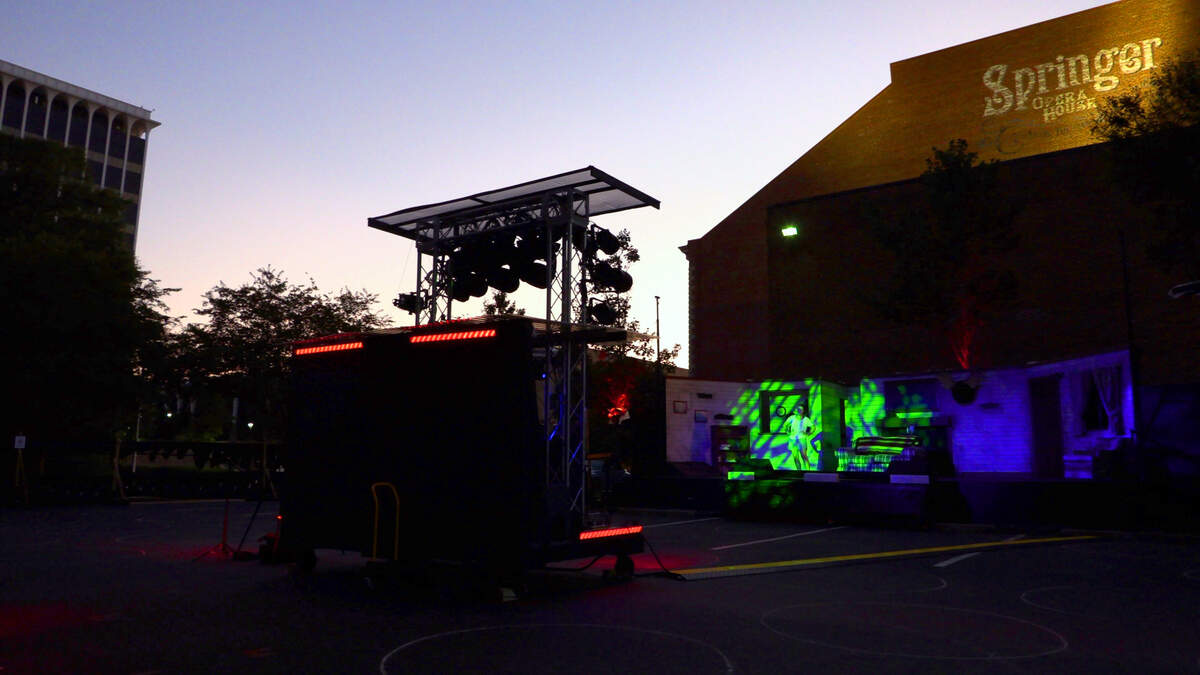
In fact, Pierce said, the Springer generated about $500,000 in sales from 10,000 patrons attending seven shows in the temporary outdoor theater from March-June 2020.
“It did not plug the hole for us,” he said, “but it kept our audiences engaged.”
Construction of the PATIO, costing an estimated $2 million ($1.7 million from the capital campaign and $300,000 in additional funding for equipment), will start in the last quarter of this year and take around six months to finish, Varner said.
Preservation and renovation
The majority of the capital campaign’s money will go toward preservation and renovation of this wood-and-plaster National Historic Landmark, covering 145,000 square feet.
The Springer plans to devote $3 million to immediate repair or replacement of HVAC units, windows, roofing, millwork, carpeting, audio, lighting and seating — probably even adding cup holders to the seats.
“We need to prepare this building for the next 153 years,” Pierce said. “That’s a commitment … to protect this landmark forever.”
To that end, $5 million from the capital campaign will be invested as a new restoration fund, so the Springer can use the interest to pay for subsequent infrastructure needs. That will double the amount of the Springer’s current endowment, Pierce said.
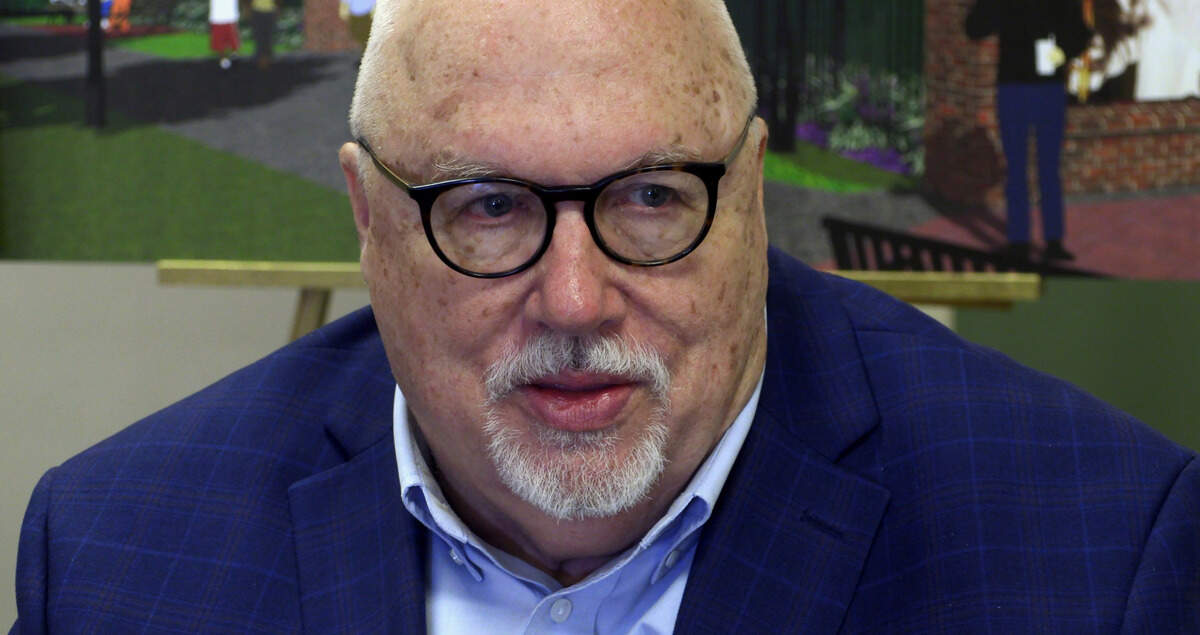
“The cost of restoration and repair and maintenance has always far outstripped what that endowment provides,” he said. “This new endowment will be just for the building.”
And that will allow the Springer’s theater productions to reinvest profits from its shows into the next performances instead of sinking that money into the facility, Pierce said.
“We will be able to reset so the shows continuously will get better,” he said, “and we will be able, in a very short period of time, to compete quality-wise with any theater in America.”
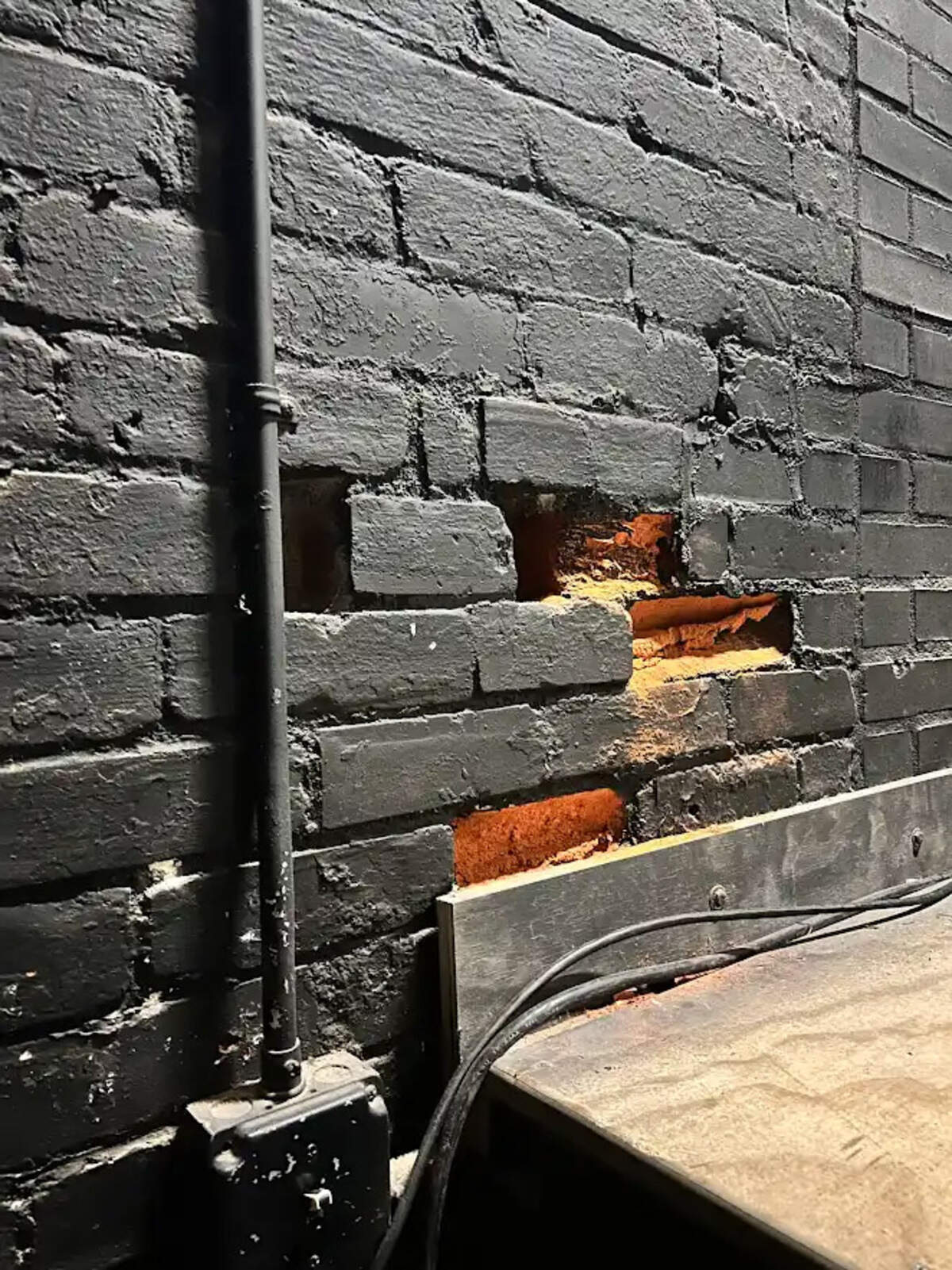
The last time significant historic preservation was done at the Springer was 26 years ago, when a foundation-to-roof restoration was completed.
“All of the systems were new, all of the theatrical equipment that was installed was state-of-the-art for 1998, and a lot has happened technically in theaters since 1998,” Pierce said, “and it’s time to reinvest in excellence.”
Education program
The capital campaign plans to raise $1 million for the education program, which teaches around 1,000 students per year. It will include upgrades to security, audio, video and acoustics in the nine classrooms, as well as upgrades to roofing, drainage, HVAC and flooring.
“Every year, our education program continues to grow and grow,” Varner said, “and we’re still busting at the seams with what we can offer.”
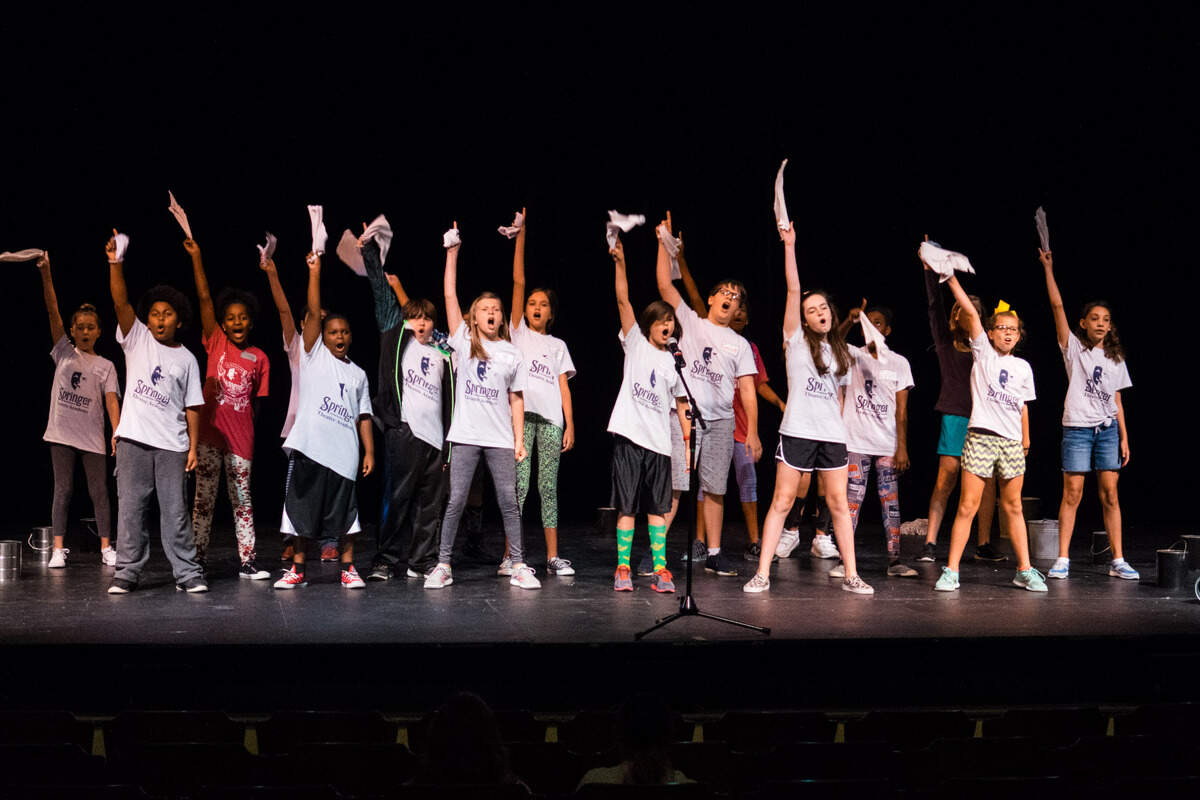
The main part of the education program is the Springer Theatre Academy, which teaches life skills through stage skills.
This campaign also will provide:
- Free admission to everyone for shows produced by the Springer’s Theatre for the Very Young (ages 0-5).
- Expanded and upgraded training spaces, equipment and instructional materials for the Springer’s PAIR program (Professional Arts Integration Resource), which helps schools and teachers use theater skills for instruction in the core academic subjects of reading, math, science and social studies.
- Funding to help underwrite the Springer’s Arts in Education program, which buses more than 15,000 children from schools to attend productions each year.
Summarizing the potential impact of the “Forever Springer” capital campaign, Pierce concluded:
“We’re as good or better than many of the great American theater companies, and there’s no reason why the Springer should not move to the top tier of American theaters.”
How to donate and get more information
To donate to the capital campaign or for more information, go to springeroperahouse.org/foreverspringer or call 706-256-0953.
This story was originally published May 20, 2024 at 9:41 AM.