
When could ‘Cure Violence’ start addressing the increasing homicides in Columbus?
After three fatal shootings in a single weekend, with a 12-year-old among the victims, Columbus is looking for solutions to a rising tide of violence that shows no signs of receding.
Columbus has had 45 homicides so far this year, climbing toward its 2020 homicide toll, an apparent record of 46, according to the Ledger-Enquirer’s count. It had 41 in 2019, 34 in 2018, and 44 in 2017, records show.
One proposal to address violent crime is a “Cure Violence” program, a collaborative effort based on a national model first established in a Chicago neighborhood in 2000.
It treats violence like a spreading epidemic that requires a concentration of resources to stop. The first program led to a 67% drop in shootings in its first year. The model since has been expanded to other cities and to other countries.
Two leaders in the local initiative, Reggie Lewis and Cedric Hill, were among those at a March 17 news conference announcing that Columbus would try to start the program here. Columbus Council appropriated $25,000 for an initial assessment.
That work is underway, but the program can’t be established until the research is done, Hill and Lewis said in a recent Ledger-Enquirer interview.
They said steps toward implementing the program include:
- Announcing and explaining it to the public and the organizations that could be involved.
- Gathering data on violence, who’s involved in it, where it occurs and what causes it.
- Visiting the areas where violence is most prevalent and interviewing the residents and organizations there, to test the data gathered.
- Planning and implementing the program.
Right now Cure Violence Columbus is in the second phase, gathering and analyzing data, Hill said Tuesday.
The funeral home owner said he has heard from people who want solutions now. “I get it on both ends,” he said. He has told them to work with the programs and services they have, while Cure Violence Columbus continues its research.
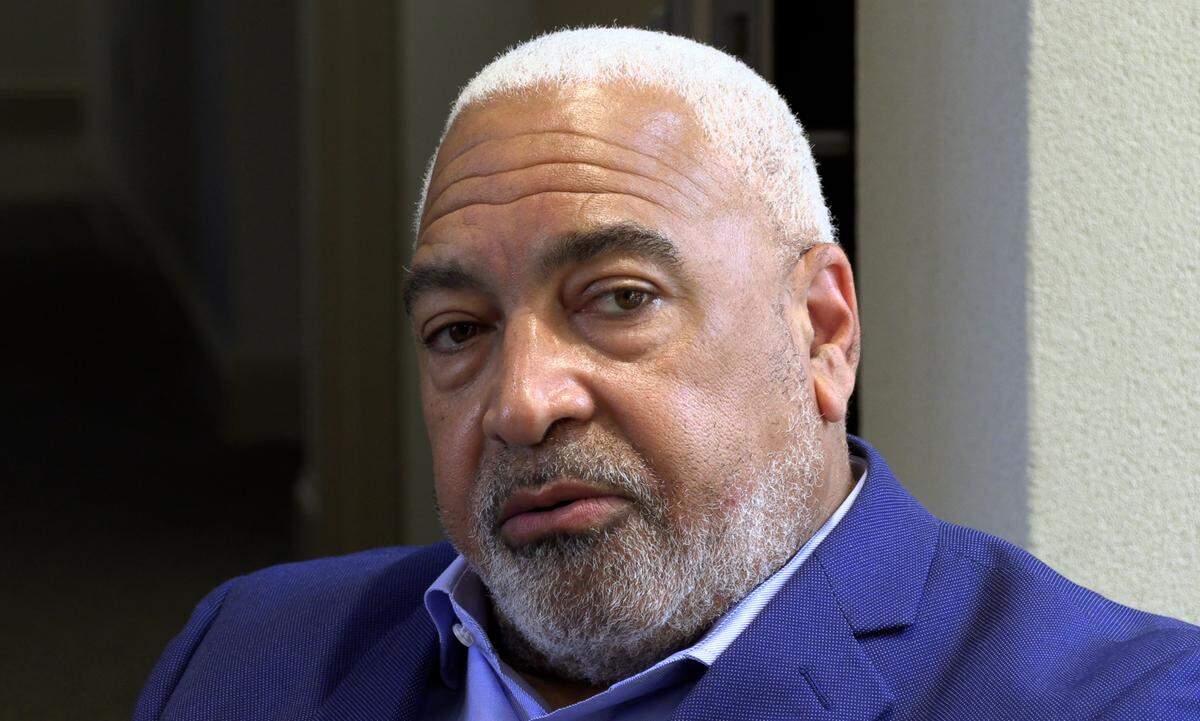
During an earlier interview with the Ledger-Enquirer, Lewis, a former Columbus police officer who’s now at TSYS, said the background work is crucial to the success of Cure Violence programs, which are research based.
“The second phase is the data analysis,” he said. “We’ve got most of that. We’re working right now with the detailed neighborhood information, for the hot spots in our community. We will work with Cure Violence Global with that information.”
Then they’ll go out to the neighborhoods, he said.
“We will formalize a plan, and then prepare for the on-site visits in the next two months. And what on-sites visits will be basically is us going to the hottest areas in our community,” Lewis said.
The final step of having a plan to address the violence likely will be near the end of the year, he said: “That’s what we’re shooting for.”
A resurgence of COVID-19 could interfere with that, he added.
Tracking the violence
Cure Violence Columbus has identified some general areas that have had more incidents, over the past five years, and is focusing on specific neighborhoods within them, Lewis said. The ZIP codes are 31903, 31904, 31906 and 31907, he said.
The Cure Violence model uses “interrupters,” sometimes local ex-convicts who have credibility with those involved in violent crime, to go to emergency rooms or neighborhoods after a shooting, to talk with those who might vow retaliation.
The aim is to break a cycle of vengeance that could lead to more violence.
The Cure Violence Columbus initiative operates under the local health department, where Dr. Asante Hilts is one of the leaders.
The program provides services for those severely disadvantaged, Lewis said, whether they need education, job training, medical services or therapy.
“A lot of times people say, ‘We just need to lock them up in jail’ but we haven’t gotten to the root cause of the issue,” Lewis said. “The root cause is not violence. Violence is the end result.”
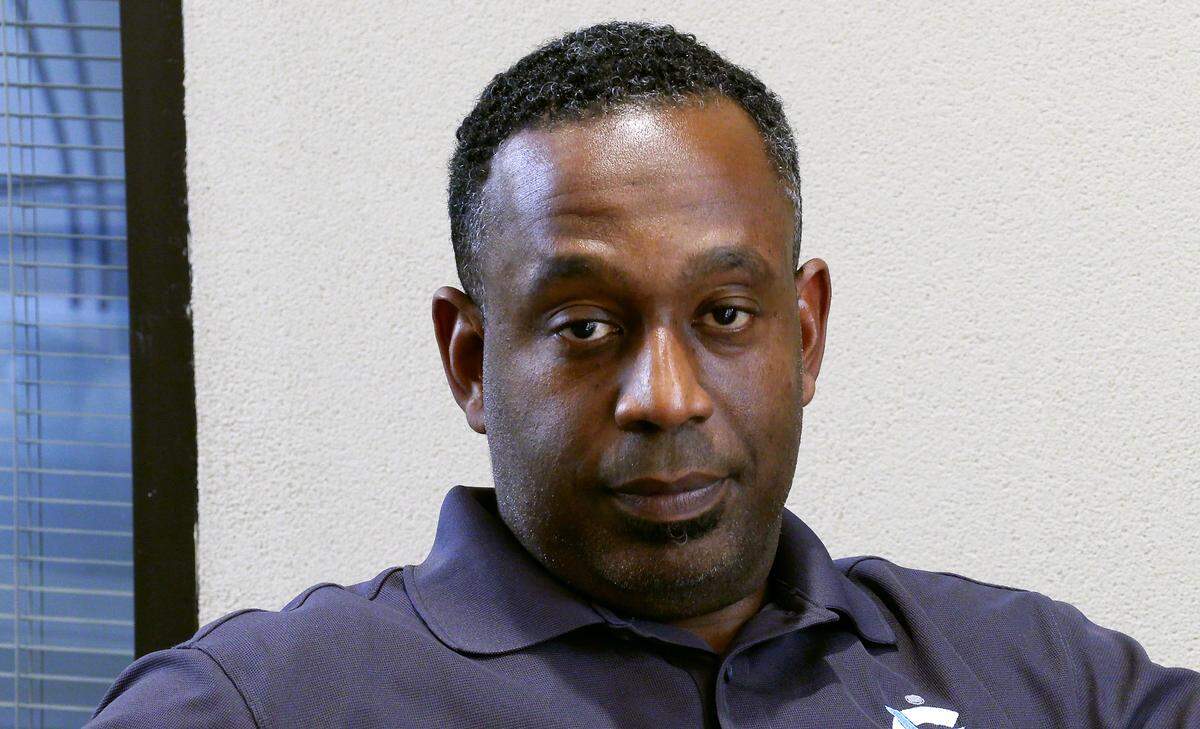
The conditions that nurture violence have to be addressed, too, he said, and those could include some previous trauma or dire economic circumstances.
“The seed for violence is that adverse childhood experience, and also that adverse community experience, and that’s the homelessness, that’s the food insecurity, that’s the bad health,” Lewis said.
Hill said Columbus has an advantage in that it already is “rich in resources” to address some issues: It has GED programs, technical instruction, job placement and other offerings through local institutions and groups Cure Violence hopes to partner with.
What’s the cost?
Early on, organizers said Cure Violence Columbus might cost the city up to $500,000 to fund. Hill and Lewis said that was a preliminary estimate, and whatever the cost turns out to be, most of it likely will come from grants.
Lewis said the research will determine that. The initial estimate of $500,000 came from examining programs in comparable cities such as Durham, North Carolina, and Jacksonville, Florida, he said.
Cure Violence has operated in 100 cities in 10 countries, and the price can range from $250,000 to $800,000, he said.
He said tackling the violence that has boosted Columbus’ homicide toll will take careful analysis, planning, time and effort.
“We’re not about rushing,” he said. “We want to be very thorough in what we’re doing, to ensure that we don’t miss anything.”
In the interview that preceded the recent wave of shootings, Lewis noted Columbus’ annual homicide count started rising a decade ago.
“Don’t get in a rush just because people say, ‘Oh, we’ve got to do something,’ because this has been occurring since 2009. We were at 13 (homicides). It’s been coming. This has not just happened,” he said.
This story was originally published August 18, 2021 at 10:24 AM.