Most residents speaking to Columbus Council oppose data center, but a few are for it
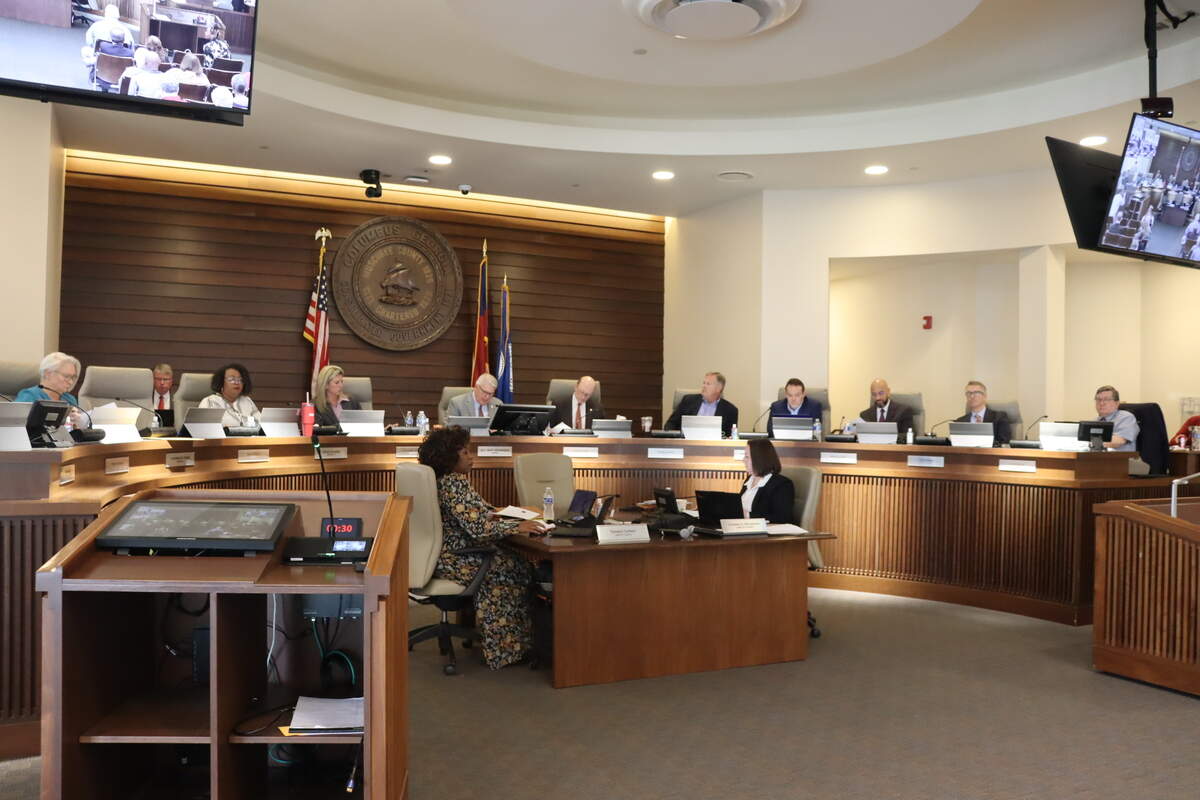
For the second straight meeting, the Columbus Council heard residents’ views about a proposed data center, with over a dozen people speaking for and against the project during the public agenda portion of Tuesday’s meeting.
Choose Columbus president and CEO Missy Kendrick announced Project Ruby last month, after the Development Authority of Columbus and Habitat Real Estate Partners secured a site in northeast Muscogee County for the $5.18 billion project.
Ten people spoke against the data center during Tuesday’s meeting, including two young children supported by their mother. Two residents spoke in support of the data center, and one resident, Steve Craft, spoke neither for nor against the center but shared his questions and concerns surrounding the project.
Support for proposed Columbus data center
Columbus resident Gregory Foster spoke in support of the proposed data center. Foster said concerns about noise complaints are unfounded, saying that people won’t hear the center. He also said he isn’t concerned about the electricity usage, saying a $26.5 billion loan granted to Southern Company by the U.S. Department of Energy will be used to help offset the increased costs of data centers.
Southern Company is the holding company for Georgia Power. Flint Energies would provide the electricity for the proposed data center coming to Columbus.
Another Columbus resident, Joshua Ferguson, also spoke in support of Project Ruby. Ferguson argued having a data center in Muscogee County would help businesses, but he agreed with those opposed that there should be stipulations in place.
Ferguson said the opposition was “onto something” regarding worries about environmental impacts, but he said there are ways to mitigate these issues.
Opposition against proposed Columbus data center
Columbus resident Jessica Warchal said there appears to be “apathy” from public officials in the conversation about data centers. She urged councilors to not “rush” to approve the data center.
Warchal’s son and daughter also spoke against the center during the public agenda.
Justin Sellers, who lives near the proposed site, expressed concerns about the effect the data center may have on nearby creeks and the ecosystem.
Sellers asked, “Where is this huge amount of water sourced from without doing harm to local stream, trees, tributaries and aquifers?”
Jon LeGallais shared concerns about safeguards to protect the environment from the data center.
“If you give these corporations an inch, they will take a mile,” he said. “And it will be at the expense of Muscogee County.”
LeGallais contends a hyperscale data center isn’t worth the jobs because companies like Amazon or Meta are more likely to bring in their own employees rather than hire locally.
Columbus Councilor on public input about data center proposal
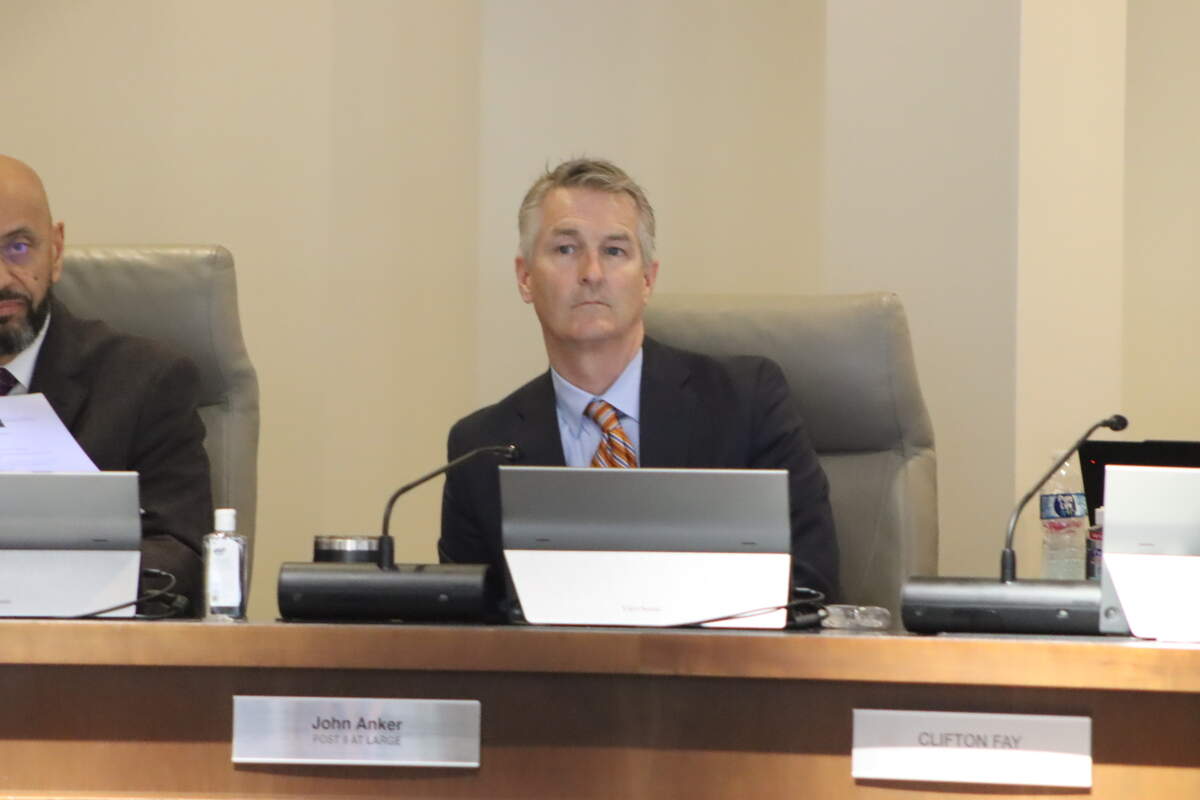
Columbus Councilor John Anker of citywide District 9 said public meetings about the data center are intended to determine how the data center will be regulated.
“I feel it’s my mission to go listen and figure out how we’re going to protect our citizens in the best way,” Anker said.
Columbus resident Caroline Rowell pushed back against Anker’s comment about finding out what to regulate.
“That’s not what we are asking you,” Rowell said. “We are asking you to vote no. The people overwhelmingly have said they do not want the data center.”
Rowell also asked the council to place the proposed data center on the ballot to allow residents to vote in a referendum whether they want one in Columbus.
Columbus Councilors and Choose Columbus respond to concerns
Councilor Glenn Davis of District 2 emphasized the council won’t vote on this proposal in the immediate future and the plan is in the preliminary stages. Davis also said the data center would have a positive impact on small businesses in Columbus.
When it comes to the local impact, he said data centers in other communities have not had a significant negative effect.
“We’ve got data centers already in Columbus, GA,” Davis said. “I don’t know if people realize that.”
Aflac and Synovus have data centers, he said.
“These are just comments I’m sharing,” Davis said. “But that doesn’t mean I’m taking a position on (the proposed data center).”
Columbus Councilor Toyia Tucker of District 4 requested resources to be available, such as an FAQ webpage, answering questions about how the data center plan came together, environmental concerns and other questions from residents.
Tucker also asked for a larger event to allow citizens to be heard and for questions to be answered by officials rather than the “piecemeal” meetings happening now.
“Until we answer those questions, this council meeting will have 20-plus people on the public agenda speaking because their questions are not being completely answered,” she said.
Columbus Councilor and Mayor Pro Tem Gary Allen of District 6 said officials are organizing a meeting for all the experts and stakeholders to be in attendance to answer the community’s questions about the proposed data center.
“I anticipate a big turnout,” Allen said. “So we may have to select a site appropriate to facilitate something like that.”
More details about such a meeting will come soon, he said.
Kendrick does a good job answering questions, Tucker said, but residents want to hear from the “subject-matter experts” with the companies involved, such as Flint Energies and Columbus Water Works.
Mayor Skip Henderson said work is being done to create an FAQ page to provide more information and facts about Project Ruby.
After the public agenda, Kendrick answered some questions that were raised, explaining no permits have been granted yet because they are not at that point of the process. These permits will be public record when the time comes, she said.
“That also will be applied to air permits, not just development permits,” Kendrick said. “Air permits will be required for the emissions from the generators.”
In response to concerns about clear-cutting the site, Kendrick said the developer doesn’t intend to clear-cut the approximately 900 acres where the data center is planned.
“Their proposed conceptual footprint uses about 15% of the property,” she said.
When it comes to protecting the ecosystem, particularly the gopher tortoise, studies will be required to protect the ecosystem as part of the Development of Regional Impact process, Kendrick said. This includes an endangered species study, she said.
“It’s just like when you’re doing any kind of construction, there’s due diligence that has to be done on the dirt and the soil and the site that you’re looking at developing,” she said.
The city also has the water needed to provide for a data center, Kendrick said. The city has the permits to pull up to 90 million gallons per day, she said, and is using about 32 million gallons per day.
“That leaves us with (over) 50 million gallons a day of excess capacity,” she said. “So, we have the permits and the excess capacity to pull the water that will be required.”
Kendrick also responded to a resident’s concern about a previous statement she made, that the city shouldn’t “overregulate” the data center.
“I think it is important to put regulations in place, to put the guardrails in place,” she said.
Kendrick explained the proposed data center’s 195 promised high-paying jobs, with salaries ranging from $80,000 to $120,000, do not include construction jobs.
Lastly, Kendrick reiterated the city is not offering any financial incentive to bring a data center to Columbus.